“The option that got the most support was banning trade with illegal settlements,” said EU foreign affairs chief Kallas, after talks with the 27 foreign ministers on Monday.
 Andrew Rettman



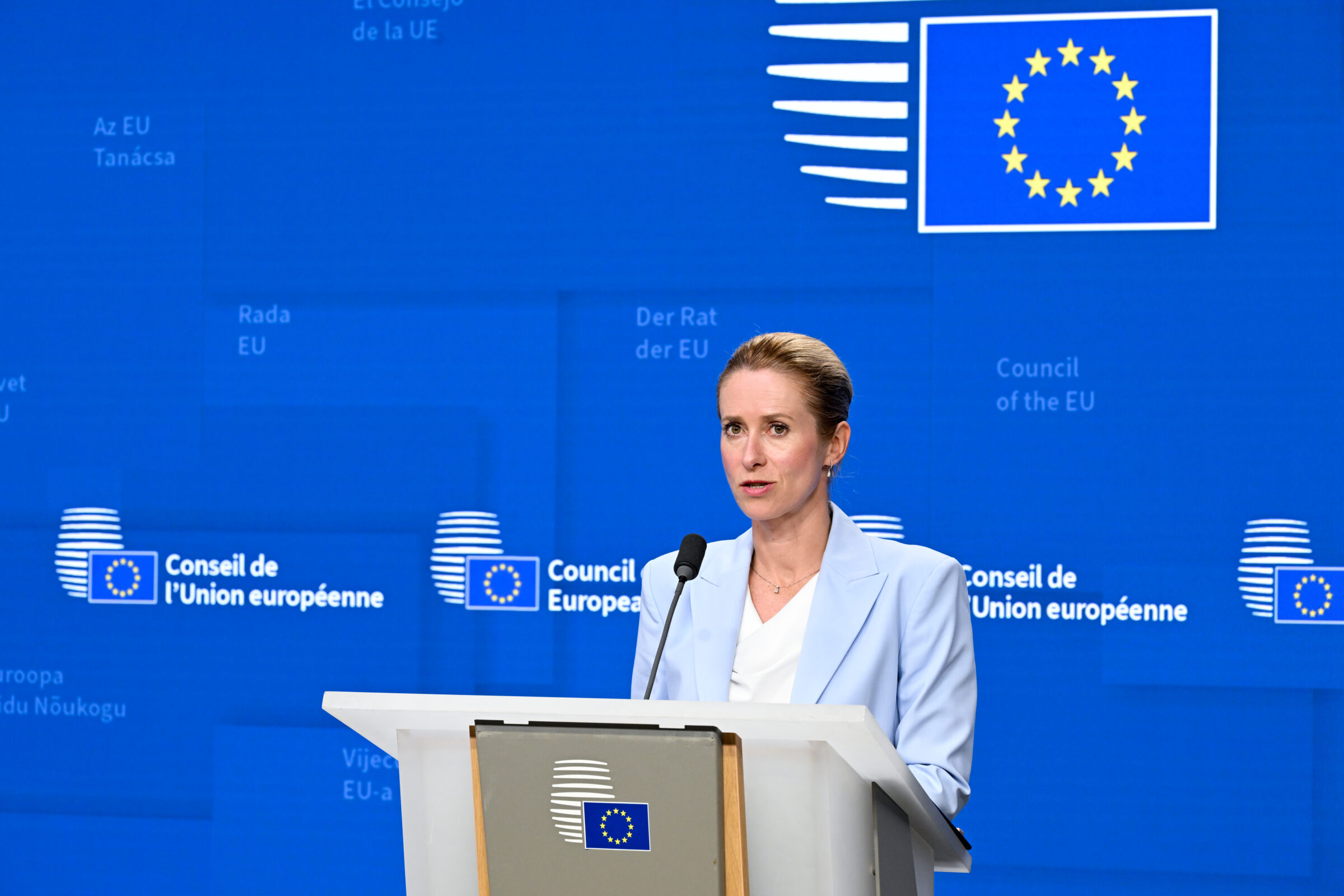
The EU is moving ahead with a “full ban” on Israeli settler imports, after most foreign ministers backed the move and lawyers gave the green light.
“The option that got the most support was banning trade with illegal settlements,” said EU foreign affairs chief Kaja Kallas in Brussels on Monday (13 July) after talks with the 27 EU states’ top diplomats.
The popular option was a “full ban”, she reiterated.
“We tasked the [27 EU] ambassadors [in the EU Council] to take this forward and we [foreign ministers] will probably have an extraordinary meeting on this,” she added.
However, the next regular foreign ministers’ meeting is not due until 12 October.
France and Sweden have spearheaded the push for a settler ban, backed by Belgium, Ireland, the Netherlands, and Spain.
But Germany, Italy, and the Czech Republic have voiced reservations and quibbled on whether a settler trade ban could be imposed by a qualified majority (QMV) vote or only by consensus, creating veto opportunities.
But Kallas also put that question to bed on Monday.
“The European Council has a legal opinion that trade issues are QMV decisions,” she said.
“It’s always the case that you can find different lawyers, who come up with different ideas. So, two lawyers, three opinions,” said Kallas.
Legal certainty
But when it came to the EU’s in–house team there was only one assessment.
“There is legal opinion we can do this … with QMV, the Council legal services said that and, of course, if there is [political] will [among member states], we can move forward on that,” said Kallas.
The EU–level move would not be “against Israel”, she added, but was meant to fix failures in existing EU customs regimes, which were being “inconsistently implemented” by member states, she added.
Settler exports to the EU are worth €150m to €250m a year, according to media estimates, but the EU Commission does not have a precise figure, because capitals do not report the right data.
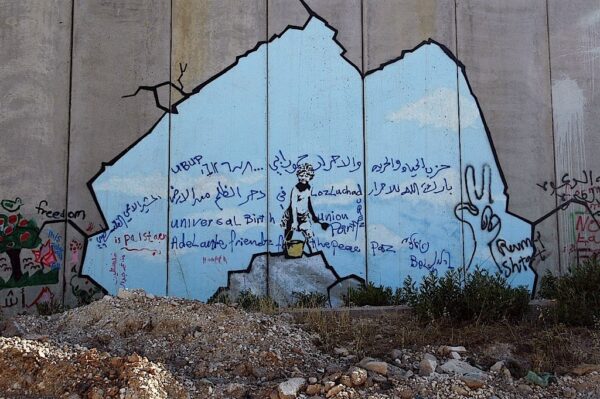
But they would strike a financial blow against some 45 individual Israeli settler firms, mostly in the food and wine sector, as well as a blow against the Israeli culture of impunity for violence.
Israeli forces killed a 16–year–old Palestinian minor on 5 July, on top of 15 other Palestinian children killed by soldiers and settlers in 2026, the UN said in its last report on 11 July.
An average of six settler attacks a day was also injuring hundreds of people, including 187 children in 2026 so far, the UN added.
After months of deadlock, the EU blacklisted settler extremist groups close to the Israeli government and a settler celebrity, Daniella Weiss, in May to try to chill Israeli aggression in the West Bank and East Jerusalem.
The European Commission has also frozen €14m of bilateral cultural projects with Israel since 7 October 2023, when the current Gaza war began.
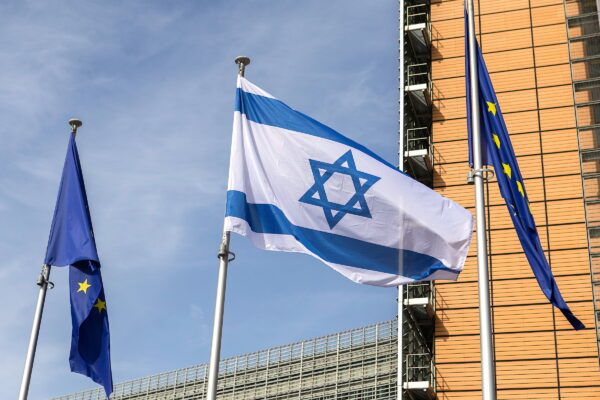
But the EU still had normal relations with the Israeli government under an association agreement, even though its foreign minister, Gideon Sa’ar has mauled Kallas, while its finance and security ministers want to annex the West Bank and passed a law for capital punishment for Arabs–only.
Regular EU–Israeli trade was worth €43.3bn, compared to the settlers’ less than €150m of exports and the €14m cultural freeze.
But Belgium, Ireland, the Netherlands, and Spain want to go further by overturning the whole EU–Israel trade deal, if Israel does not alter its behaviour.
And the EU pressure comes amid already tense times inside Israel, which is fighting in Gaza, the West Bank and East Jerusalem, Iran, Lebanon, and Syria, as well as preparing for elections on 27 October.