The EU’s deforestation law may not be as popular as when it was passed with massive majorities in 2023 – but has already spawned imitation from the UK.
 Benjamin Fox



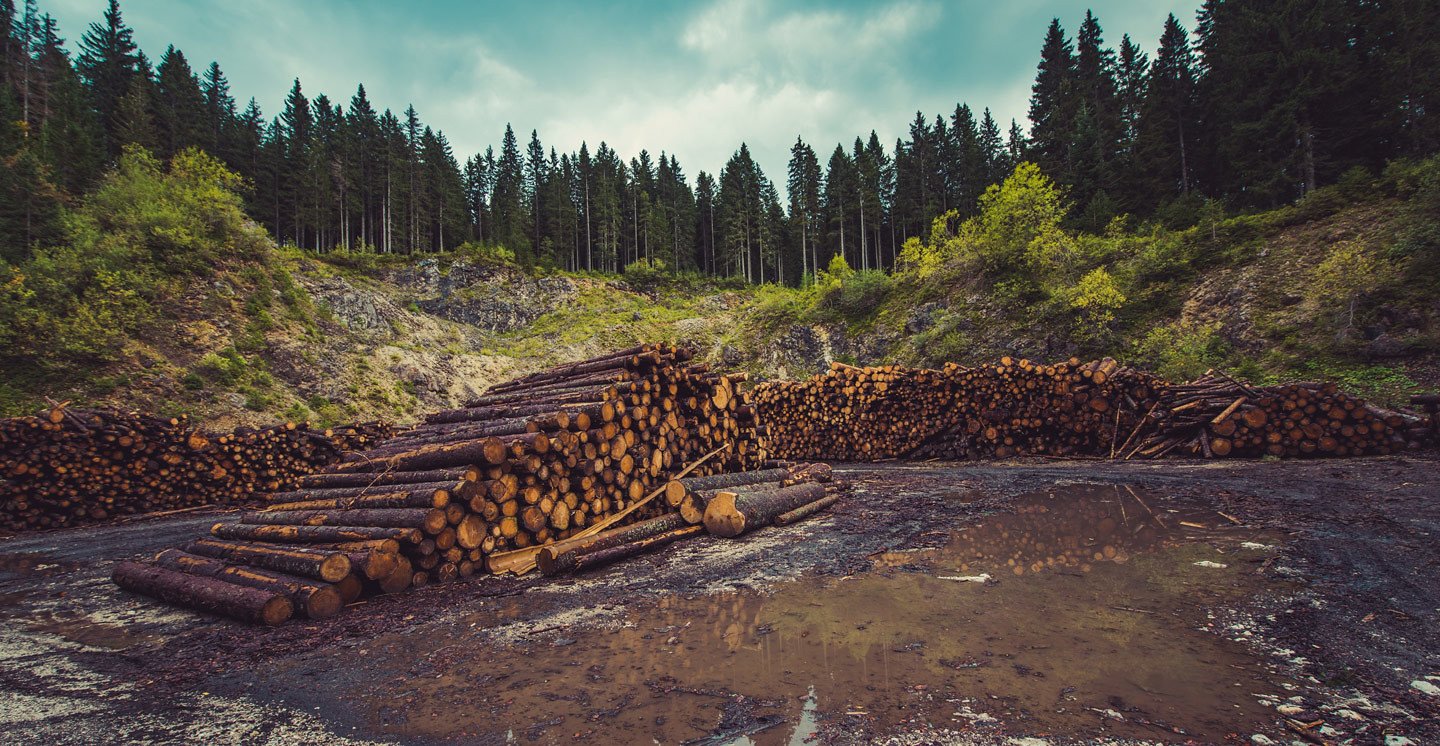
If there ever was a law that started off popular but entered into force with hardly a supporter left in sight it is the EU’s deforestation regulation. On Monday, the EU Commission published its final – finally final – piece of law that will implement the EUDR.
Covering the passage of EUDR – from being lauded by lawmakers as a beacon of sustainable business law back in 2023, to the years of dithering, delay and dilution of its rules that have followed – has been painful enough. Imagine how it must have been for those with skin in the game.
The delegated act adopted by the EU executive on Monday (13 July) confirms an announcement made in May, when the commission added instant coffee and palm oil derivatives to the list of products covered, but removed leather. That, say civil society groups, who argue that there is a clear link between the leather industry and deforestation will create loopholes and foster unfair competition between sectors in the EU.
Yet civil society leaders were trying to stay magnanimous on Monday.
“Despite continued efforts to weaken the EU Deforestation Regulation, this decision should mark the end of legal and political uncertainty around the EUDR”, said WWF’s Béatrice Wedeux.
“With clarity on the product scope and the IT system in place, there are no remaining excuses for delay: companies and member states now have all the tools they need to move decisively towards full implementation,” she added.
There is now no escaping EUDR, which requires businesses trading cocoa, coffee, timber, palm oil and rubber to ensure that their products were not linked to deforestation anywhere in their supply chain.
Andrew Puzder, Washington’s ambassador to the EU, has described the EUDR as “selective protectionism” after the EU declined to exempt US companies from its provisions. He says that the dilution of the original EUDR has exempted small EU-based firms from the due diligence requirements that have been landed on the US and other foreign businesses. On that, at least, he has a point.
But the EUDR must be doing something right because it is spawning imitation – and they say imitation is the sincerest form of flattery.
UK joins the party
The UK announced last month that it would introduce its own anti-deforestation law modelled on EUDR, much to the chagrin of the Trump administration which has warned of “strong concerns” about the UK doing a copy-and-paste of the EU rules.
That could be a sign of the UK’s keenness to get ever closer to the EU single market. Even so, it is a sign that EUDR and more stringent due diligence requirements on companies are here to stay.
In all of the delays and efforts to water down the EUDR – the due diligence requirements have been stripped down by around 75 percent after the EU Commission realised that the paperwork being submitted would cause the collapse of the EU’s IT system – it has been easy to lose sight of the purpose of the law.
And in the meantime, every one-year postponement of the EUDR has, say green NGOs, caused the loss of nearly 50 million trees and the release of 16.8 million tonnes of CO₂ into the atmosphere.
The regulation’s aim is to require sellers of beef, coffee, chocolate, palm oil and wood to show their goods can be traced to land that has not been deforested.
It is said that the road to hell is paved with good intentions. Only time and implementation will show whether the saying applies to the EUDR.