Communication, collaboration and resilience are the skills Reed says some people are lacking but are vital to succeed in any career.
“Good communicators have an advantage,” he says. “So you should learn how to express yourself and build your confidence speaking in front of people.”
Collaboration matters too. “Nothing is achieved by one person as you’re always part of a team,” Reed says.
“If it’s all about ‘me, me, me’ at a job interview you won’t proceed.”
And resilience can make a real difference when job-hunting feels relentless. “If you can develop a super thick skin and be persistent and resilient, it will serve you well,” he says.
“You’ll have some knocks in life, but don’t take it personally, it’s normal.”
James Reed: Big Boss interview
Reed talks about whether it’s worth going to university and how more can be done to encourage employers to hire graduates.
Listen on Sounds
Preparing for interview
One question that comes up more than any other at interview is “tell me about yourself”.
Reed says: “If you’re prepared, it’s the easiest question and you can knock it out of the park, but if you’re not, then you go all over the place.
“Interviews are a life-changing conversation so it’s important to really prepare.”
The big mistake you might be making
Reed says the biggest mistake is thinking “the world owes you a living” or that someone should give you a job just because you are in the room.
His advice is to flip the way you think about it.
“A job is a problem to be solved so you need to think how are you the solution to the employer or company?”
Once you pitch yourself that way, he says, you stop focusing only on “what’s in it for me” and start showing the employer why they should hire you.
Is university still worth it?
Reed is clear that university is not the right route for everyone and “doing a degree thinking it’s the done thing and all my friends are doing it is not such a good idea”.
He believes too many young people currently go to university, and that more should consider apprenticeships, trades or going directly into work.
“We have been ridiculously snobby about trades and the idea that half of young people should go to university feels very outdated,” he says.




 admin
admin




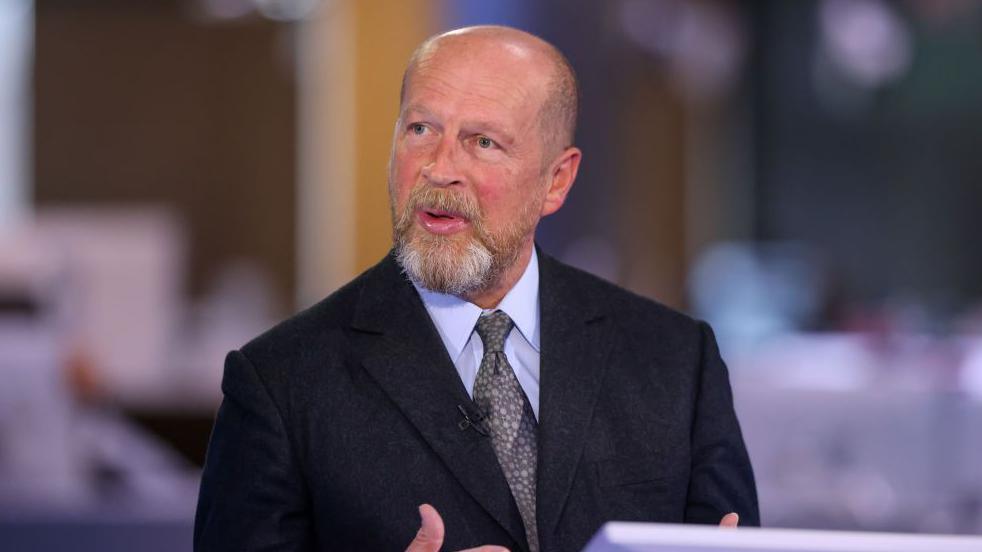 Image source, Bloomberg via Getty Images