Delivering help to Palestinian refugees is harder than ever due to fragile relations with host countries, a volatile conflict, and funding cuts, said veteran German humanitarian Dorothée Klaus, who is director of the UN relief agency in Lebanon.
 admin
admin



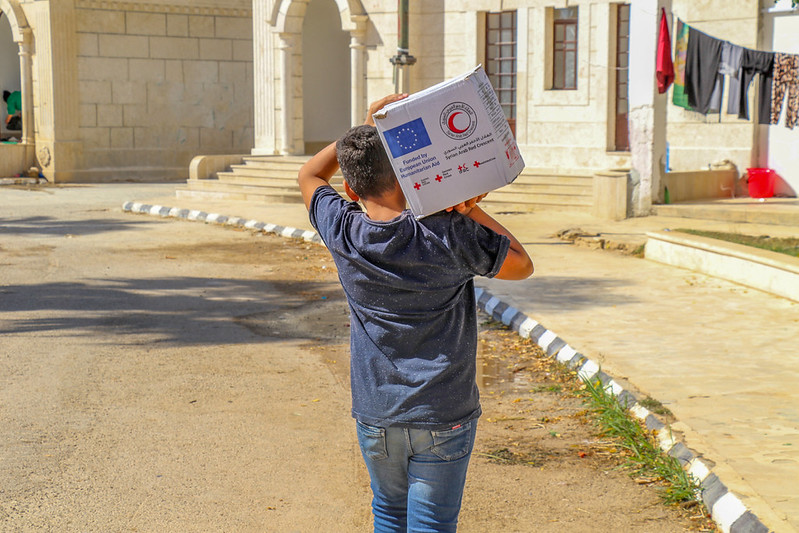
Delivering UN help to Palestinian refugees is harder than ever due to fragile relations with Israel, a volatile conflict, and funding cuts, said veteran German humanitarian Dorothée Klaus, who is director of the UN Relief and Works Agency (UNRWA) for Palestinian Refugees Affairs in Lebanon, on a visit to Brussels.
What brings you to Brussels? What are you expecting from the European Commission?
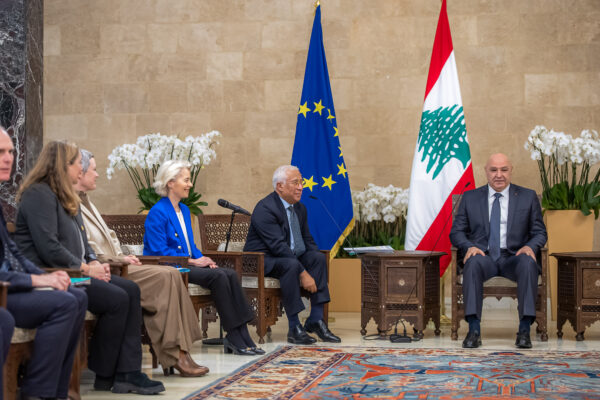
The main purpose of my visit is to brief the EU Council’s working group on humanitarian aid and food security on the humanitarian situation in Lebanon with colleagues from UNFPA [a UN food programme] and WHO [the World Health Organsation], specifically about the humanitarian situation affecting Palestinian refugees in Lebanon, further compounded by the impact of decades of social and economic segregation and a situation of disadvantage that Palestine refugees have been living in Lebanon. While highlighting the need for sustained humanitarian aid, it was also an opportunity to look forward to what can be done to improve the situation of Palestinian refugees in Lebanon in a way that is also acceptable and benefiting to the Lebanese host country.
What are the dangers faced by those seeking refuge in Lebanon? Have you witnessed violence in refugee centres, or dangers to UNRWA staff?
Out of the 12 Palestine refugee camps in Lebanon where UNRWA provides services, five are located in current conflict affected areas – three in the south and two in Beirut’s southern suburbs, with a total population of about 60,000 persons. Interestingly, the Palestine refugee camps have been considered safer places compared to surrounding areas. So while there has been a departure from the camps after the initial evacuation orders affecting areas in the South and the Southern suburbs after 2 March [when the rewed escalation of conflict started], people thereafter have decided to return. One of the reasons for this is not just because they still see that the camps may not be as affected as some of the surrounding areas, but also because Palestine refugees really do not have a lot of options as to where to go when they leave the camps.
It’s clear that Lebanon does not, for example, support the establishment of alternative locations outside other Palestinian refugee camps or UNRWA institutions where they can be sheltered. Palestinian refugees are not welcome in a shelter managed by the Lebanese. It’s out of the question that additional tent cities or equivalent would be constructed for Palestinians. So the options are really limited to the UNRWA shelters.
We are very lucky that UNRWA’s operations or our staff continued operating despite the ongoing conflict. We’re able to provide humanitarian supplies to the camps in the South, which is very important as the food markets, for example, are affected. Both availability and access to food in the south are becoming an issue. Fuel supplies to run the water pumps in the camps are an issue. These are things we provide alongside vaccines and medication in our health centres, that continue to be operational.
How has Israel’s takeover of southern Lebanon influenced your work in this part of the country?