Moldova says the war in Ukraine has helped revive EU enlargement, giving Chișinău a historic chance to advance toward membership. Moldova’s EU minister says the country is on the right track for joining the bloc by 2030, despite unresolved tensions over Transnistria and the high financial costs of alignment.
 Elena Sánchez Nicolás



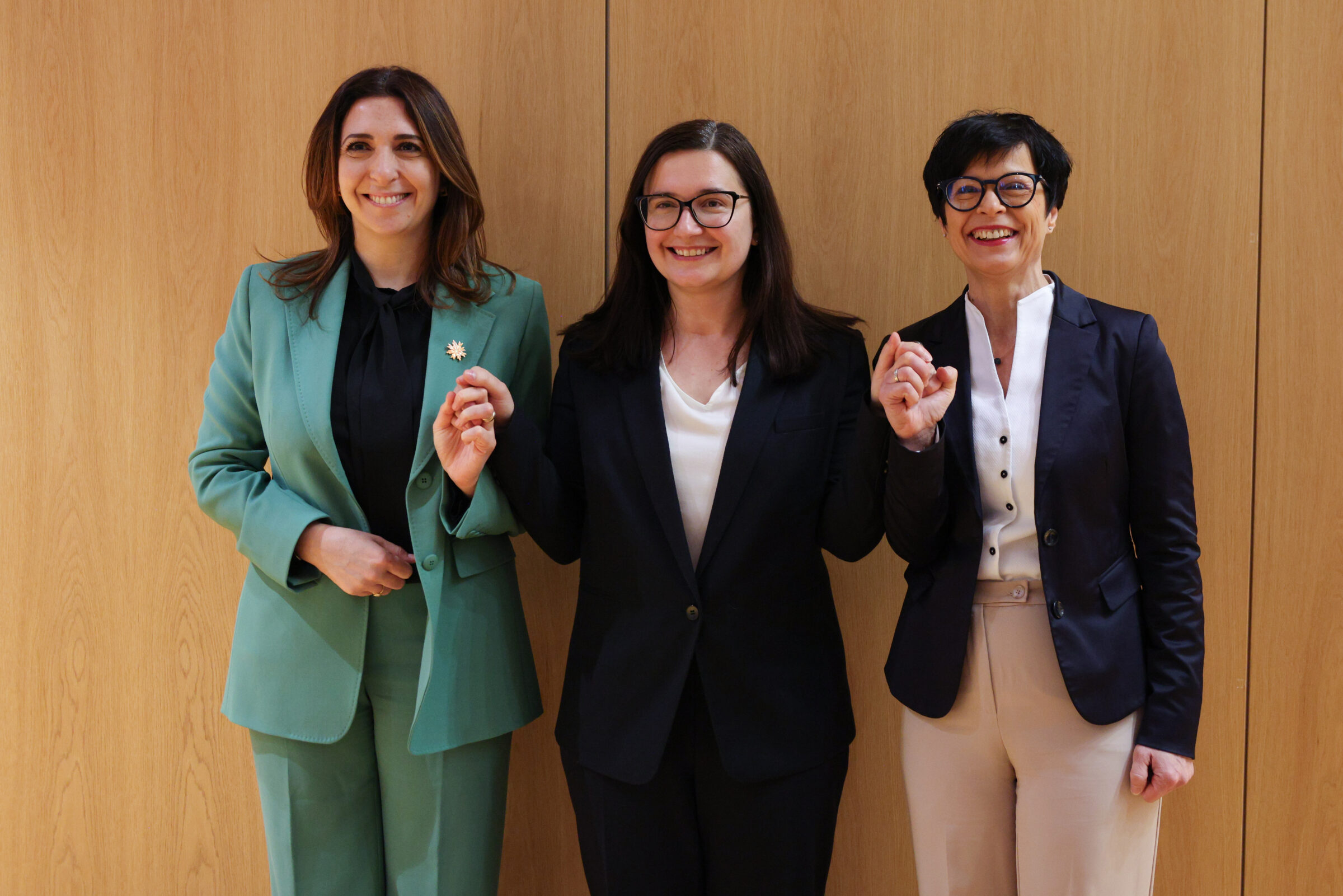
Moldova is one of the countries in line to enter the European Union. For more than 12 months, it has been ready to open official negotiations for reforms.
But it had to wait patiently because its fate was chained to Ukraine, and Hungary’s Viktor Orbán blocked the path forward for Kyiv. Now, with that political blockade cleared, optimism in Chișinău is soaring amid expectations that June will finally see the country’s EU integration move forward.
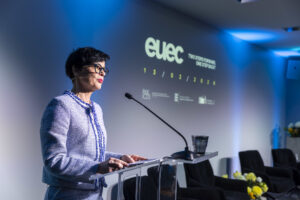
While many have described this process as frustrating for Moldova, Cristina Gherasimov, the country’s deputy prime minister for European integration, explains why it was “worth” waiting.
Without Russia’s invasion of Ukraine, the EU would still be trapped in its rigid “enlargement fatigue mode,” Gherasimov told a small group of journalists, among them EUobserver, during a visit to Brussels earlier in May.
But now there is a new security and geopolitical dimension to enlargement.
That window of opportunity for Moldova and other member states was created because Ukraine was invaded by Russia, Gherasimov also said. “We owe this to the Ukrainians”.
Moldova hosts the highest concentration of Ukrainian refugees in the world per capita. With a total population of roughly 2.6 million, the country currently shelters about 140,000 displaced Ukrainians.
‘Political momentum’
The first chapter of enlargement negotiations could be opened for both Ukraine and Moldova as early as mid-June. Although this is still subject to procedures and the greenlight of the new Hungarian government, for whom the issue of its own minority in Ukraine is still sensitive.
Once this happens, the so-called coupling of Moldova’s and Ukraine’s futures will be reduced to mere symbolism. Per the EU, this has always been a merit-based process, and each country has its own pace of reforms.

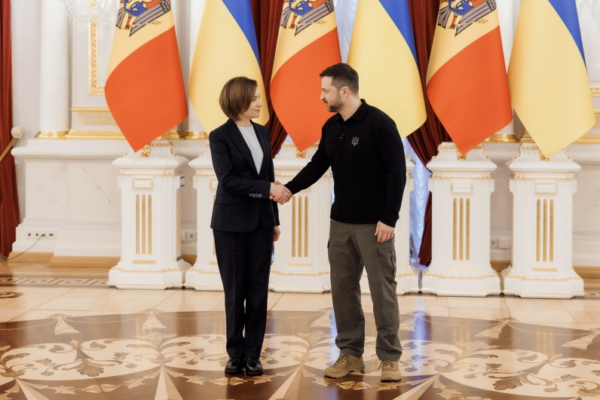
In 2024, despite massive Russian influence campaigns, pro-European president Maia Sandu secured a second mandate with a majority in the parliament that allows her to deliver on EU reforms.
“With this political momentum at home, it’s important to let us move at our own pace,” Gherasimov said, warning that otherwise, the EU risks a historic missed opportunity. “Our missed opportunity will also be the EU’s missed opportunity”.
If this current window of geopolitical opportunity had opened back in 2015 when Moldova was a compromised “captured state,” they would have been entirely unable to move forward, she explained.
The current situation in Georgia can serve as a stark reminder of what happens when momentum is lost.