

Aged eight, Zijo Ribic survived the massacre of his entire family by Serbian paramilitaries in the first months of the Bosnian war. In a new book, he speaks of survival, suffering, and an embrace of love and humanity.
 Olivera Simic



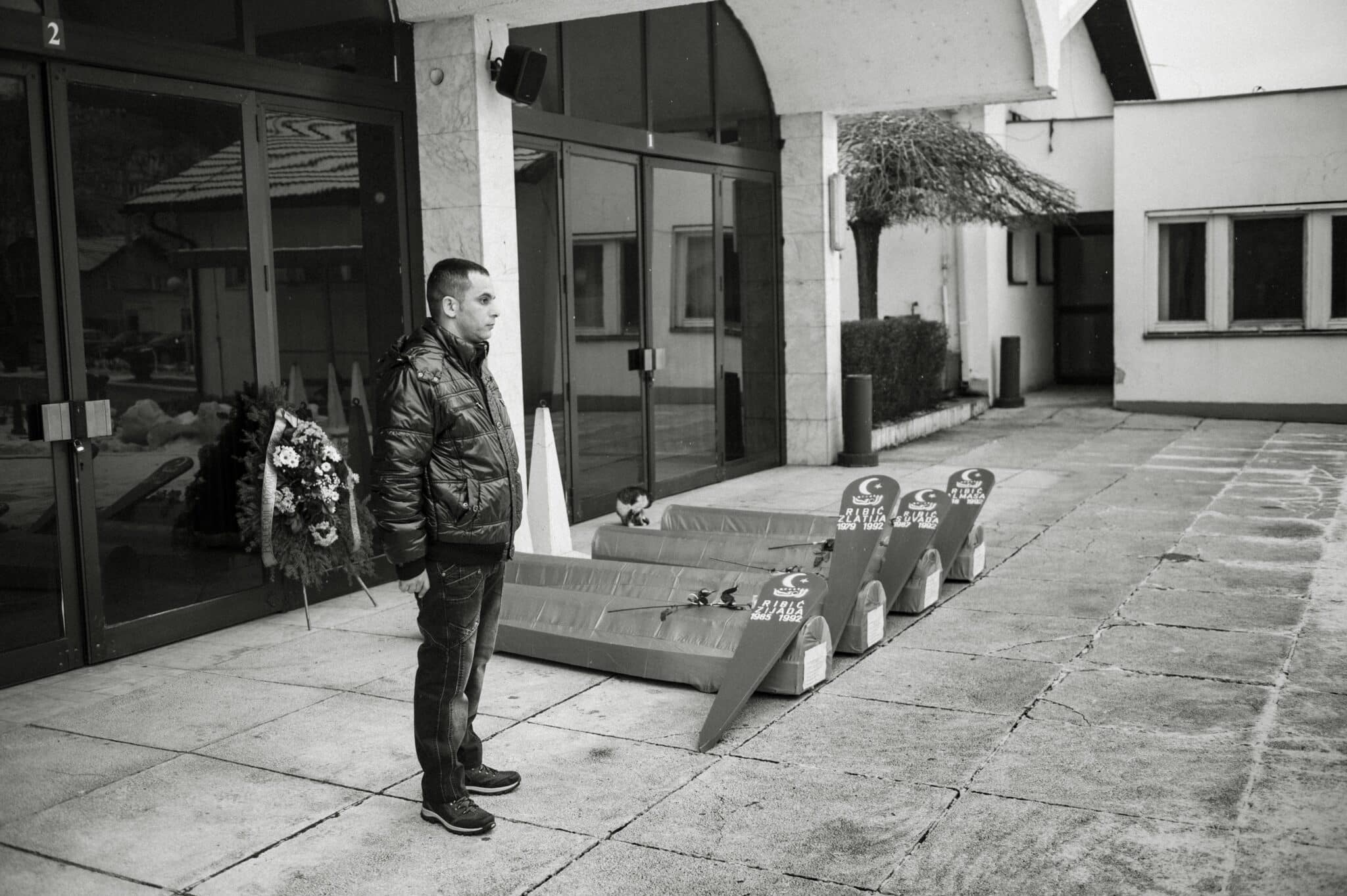
Ribic was shot and stabbed but survived by sheer chance.
Believing him dead, members of the Serbian paramilitary unit tossed him into a pit with the rest of his murdered family, a grave they had dug beforehand.
Ribic lay motionless, pretending to be dead until the paramilitaries left. Then, covered in blood, he climbed out of the pit and fled. He was eventually found by two Serbian soldiers. When Sima’s Chetniks demanded him back, the soldiers refused, almost certainly saving his life.
“Some Serbs tried to kill me, others saved me. How can I hate Serbs as a people? I cannot. I have always judged people by whether they are good or bad, never by their ethnicity, religion, or the colour of their skin,” said Ribic.
It is a tragic irony that the Ribic family had originally fled for time to Serbia to escape the first wave of ethnic cleansing in eastern Bosnia, carried out by Bosnian Serb forces and paramilitaries from Serbia in early 1992.
Ribic’s father, Ismet, later decided they should return to their home in Skocic, believing the Roma had not harmed anyone and so had nothing to do with the war engulfing Bosnia. They went back home on July 12, 1992, the day they died.
The Skocic massacre is the most notorious crime committed against the Roma during the Bosnian war, but far from the only one.
Atrocities were also committed against Roma civilians in the settlements of Sase and Perici and the towns of Foca and Bijeljina. In April 1992, members of the Roma community were killed in Srebrenica and Bratunac, and many Roma died in the Srebrenica genocide of July 1995, primarily because they were Muslims. It was only through later research, largely based on victims’ surnames, that many of those killed were identified as members of Roma.
The first comprehensive study documenting the suffering of the Roma in Bosnia was published only last year, focusing on the persecution of Roma in the Podrinje region – which Skocic is part of – between 1992 and 1995.
Their wartime ordeal, however, remains largely overlooked, the story of one of the most marginalised communities in Bosnia still waiting to be told and properly documented. Justice is painfully slow, far slower than for many others.
“Roma people needed to wait a long time for their turn to come to be researched and their stories documented. The same happened after World War Two,” said Ribic.
Such is Ribic’s own experience.
Failed justice