AI has become a mainstay of modern banking and finance, and while the sector is still in the relatively early days of integration and development, for major organisations to remain competitive, effective adoption is a must. The integration of novel technologies is different at every company, but the challenge for
 UKTN
UKTN



AI has become a mainstay of modern banking and finance, and while the sector is still in the relatively early days of integration and development, for major organisations to remain competitive, effective adoption is a must.
The integration of novel technologies is different at every company, but the challenge for firms at a global scale operating in a heavily regulated market, there are far more considerations than at the average startup.
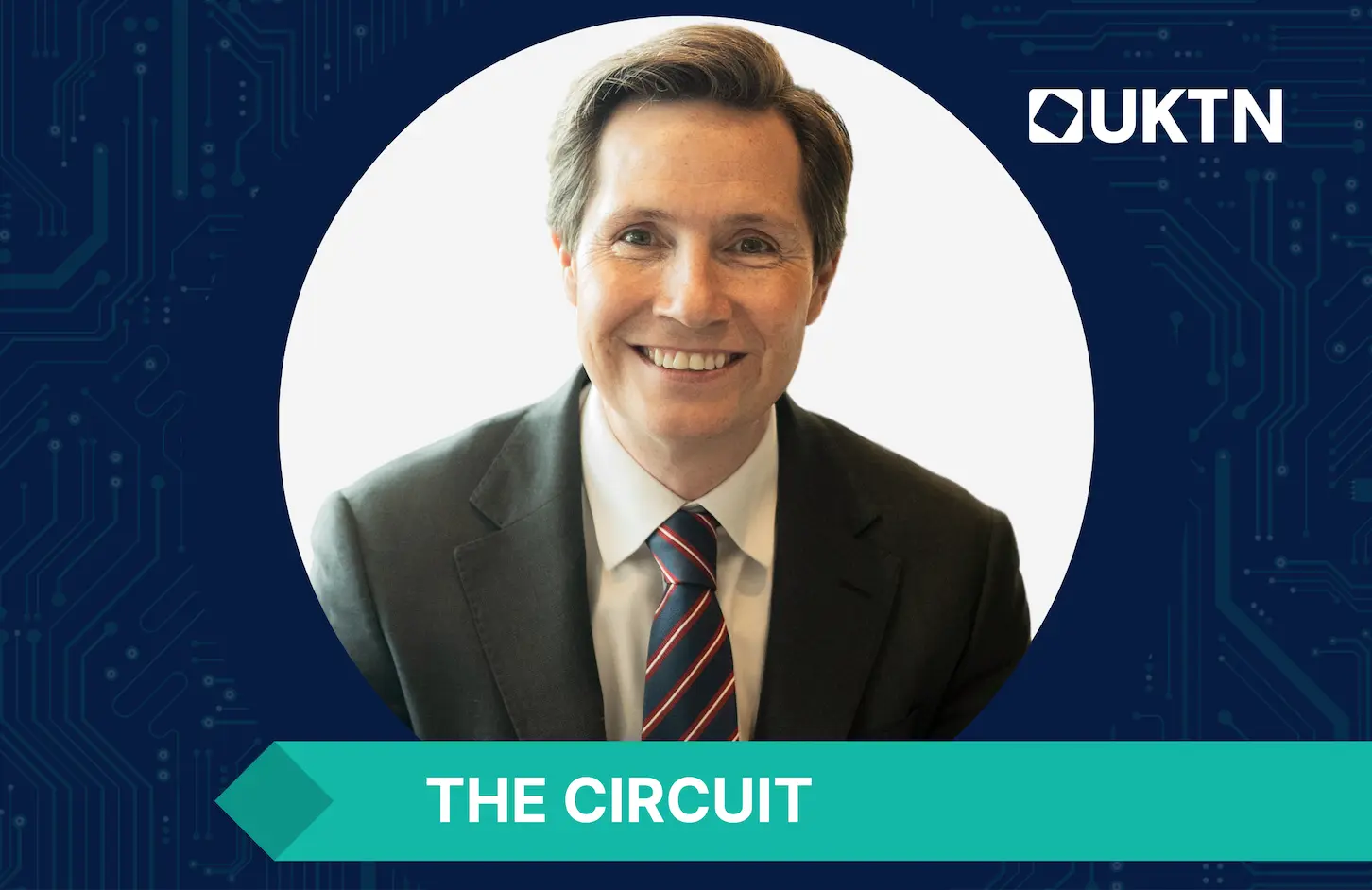
In this exclusive interview with UKTN, Andrew McKibben, the head of international tech and chief information officer for global payments solutions and enterprise payments at Bank of America discusses how AI integration works at the scale of a global bank, how the technology is changing banking and finance and where the real value can be realised from it.
How has the integration of AI been in such a large bank?
AI integration at the scale of an international bank requires a deliberate approach. In an organisation like ours, it must be embedded into the operating model in a way that is secure, well-governed and aligned to real business outcomes.
What is different today is the maturity and capability of AI. It has evolved from relatively narrow, task-specific applications into systems that can understand context and connect information across domains.
That opens up opportunities across every part of the organisation, but in a highly regulated, always-on environment, scale only works when it is paired with strong controls and clear accountability.
For us, that means focusing on where AI can improve speed, accuracy and efficiency while maintaining the resilience and trust our clients expect. It also means treating AI as something that works in tandem with human judgment, rather than replacing it.
Having seen previous waves of technological change, what stands out as most different this time?
What stands out most is the pace, the breadth of application, and the extent to which AI can operate across multiple domains simultaneously.
Earlier waves of technology typically transformed a specific channel, process or function. AI is different in that it has the potential to reshape how work gets done across markets and industries, changing how organisations approach tasks, decisions and workflows across a wide range of functions.
We’ve moved from basic automation and rules-based systems to models that can interpret language, connect information and generate outputs in far more dynamic and adaptable ways.
We are now entering the era of more agentic AI, where systems can not only surface insights, but increasingly support workflows and guide next-best actions.
That creates significant opportunity, but it also raises the bar on governance. As the technology becomes more capable, the importance of human oversight, accountability and control only increases. The opportunity is greater than before — but so is the responsibility.
Where have you found AI making the biggest impact in your operations?
The biggest impact is where AI reduces friction, saves time at scale and improves speed, consistency and execution.
Internally, that includes research, summarisation, software development and workflow support. Tools like AskGPS can compress hours of work into seconds, while coding assistants are helping developers move faster with less manual effort.
For employees, AI takes on repetitive, time-intensive tasks, allowing teams to focus on clients, judgment and problem-solving. Erica for Employees is a good example, enabling fast, self-service support at scale.
For clients, the value is in speed, insight and usability. Tools like CashPro Chat help clients get answers instantly, while AI-driven forecasting and receivables solutions support more effective cash management. We are also using generative AI to streamline client preparation, freeing teams to spend more time on higher-value conversations.
The common thread is practical impact – faster access to information, improved productivity, and more time focused on what matters most.
How transformational do you view AI in banking and finance?
I view AI as significantly transformational, but real value comes when it is applied with discipline.
In banking and finance, the strongest use cases are not necessarily the most visible. They are the ones that improve efficiency, strengthen risk management and enhance client service.
The industry is seeing genuine value in automating middle- and back-office processes, improving forecasting, and creating more personalised and predictive client experiences.
In payments and treasury, AI is helping clients manage liquidity and complexity more effectively. In service environments, it is accelerating resolution and improving consistency, while in engineering and operations it is driving meaningful productivity gains.
Over time, AI will continue to reshape the industry, but the organisations that stand out will be those that integrate it responsibly.
Institutions that do this well will gain speed and efficiency while strengthening trust, which ultimately remains the foundation of banking.
What is the most important thing large organisations should consider when adopting new technologies?
The most important thing is to stay focused on outcomes, not novelty. At scale, it is easy to be drawn to the newest tool or the latest headline, but successful adoption starts with a simpler question: what real problem are we solving, and how does this improve outcomes for clients, employees or risk management?
That requires discipline in prioritisation. With any new technology – especially AI – the right use cases are those with clear business impact, tangible operational benefit, and the right balance of accuracy, speed, cost and control.
It is not about adopting more technology; it is about integrating the right technology into workflows, product design and service in a way that delivers lasting value.
The other critical factor is culture. Technology on its own is not enough. The organisations that lead will combine sustained investment and enterprise-scale deployment with a culture that enables people to work effectively alongside AI, focusing their time on judgment, client relationships and higher-value work.