
Behind the outrage over one minister’s words lies a deeper, unspoken reality laid bare by diplomats and experts: Belgrade never really buried the Milošević-era narrative about Kosovo, it just learned to speak it more quietly in Brussels.
 Anastasiia Furman



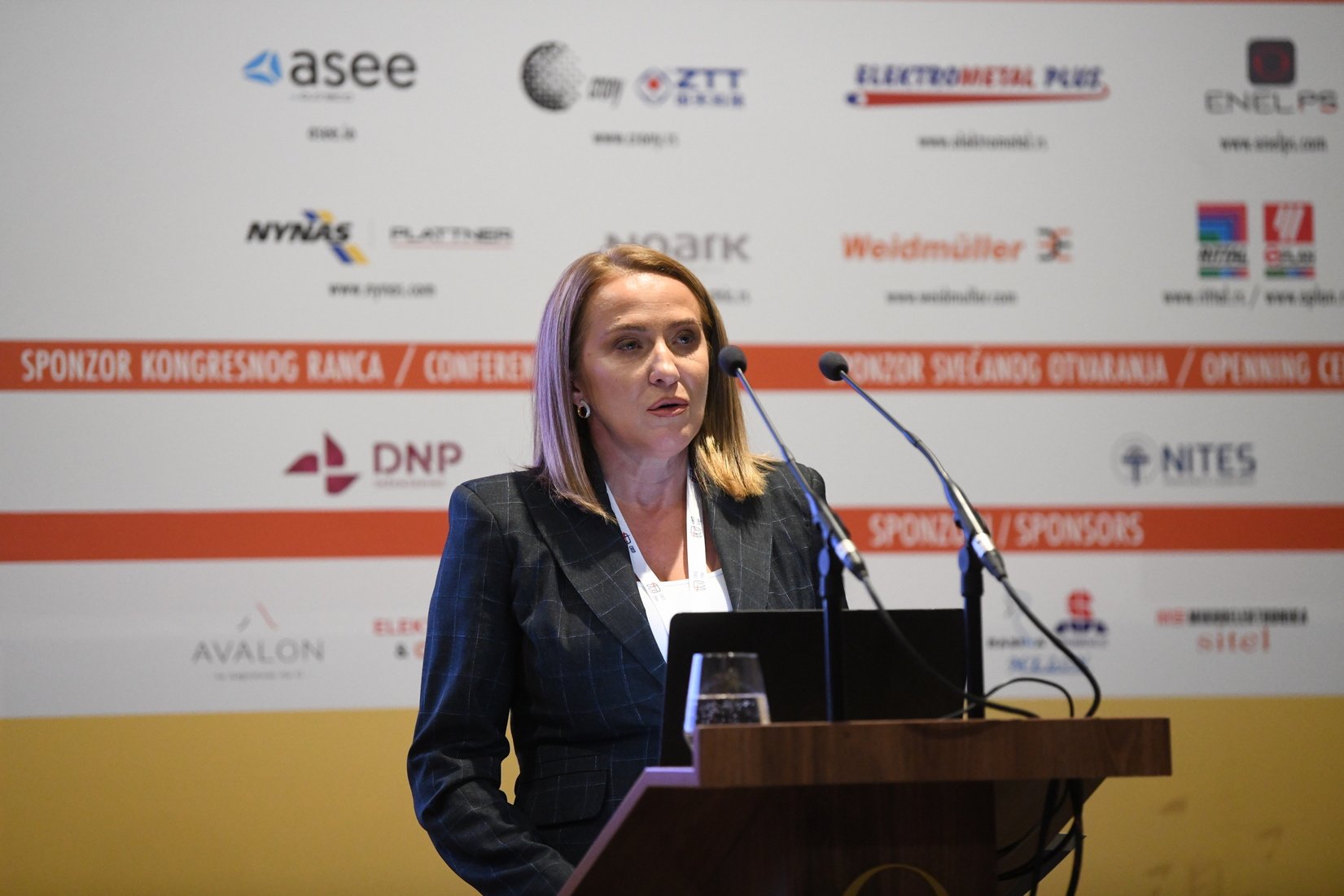
Statements about Serbia and Kosovo, let alone ethnic cleansing, are extraordinarily sensitive in the Balkans after the brutal wars of the 1990s. One Serbian minister has now shocked the region by saying that she would have “ethnically cleansed” Kosovo in 1998.
Despite Western efforts, relations between the two countries have reached an impasse, and many no longer believe that there is a way out.
The Serbian minister for public administration and local self-government Snežana Paunović, who is also a senior figure in the Socialist Party of Serbia (SPS), sparked the scandal with remarks during a television interview.
She said: “And now to our mistakes and our stupidity: if I had been Slobodan Milošević (Serbian and Yugoslav president between 1989 and 2000, a dictator, editor’s note), in 1998 I would have ethnically cleansed Kosovo. It is probably the harshest statement I have ever made in my life.”
She herself comes from the Kosovan town of Peć (in 1975, when she was born, it was still part of Serbia).
Subsequently, Paunović clarified that by the term “ethnic cleansing” she did not mean killing all Albanians.
She said she would have expelled only those who did not feel like citizens of the then Federal Republic of Yugoslavia. “I would not have eliminated Albanians in the way that, in my view, they are still trying to ethnically cleanse Kosovo today. Anyone who feels less of a citizen of the Federal Republic of Yugoslavia should leave it and go to their mother country,” she said.
She added that people who had “opted for terrorist acts” at the time – by which she meant members of the Kosovo Liberation Army, which Serbia classified as a terrorist organisation – should, in her view, have been “eliminated in the way terrorists are normally dealt with today, let alone then”.
The Serbian government regularly accuses the Kosovan government of seeking to drive out the remaining Serbian population, which is not true (as even Serbs living in Kosovo confirm.)
The minister comes from a smaller coalition partner in the government, the Socialist Party of Serbia, which Milošević founded in 1990 by merging the League of Communists of Serbia and the Socialist Alliance of Working People of Yugoslavia and which he led until his death in 2006 in detention in The Hague, where he was awaiting verdict for war crimes in the Kosovo war.
‘Historical shame’
The Kosovan interior minister immediately announced that he was declaring the Serbian minister a permanently unwelcome person in the country.
It is estimated that during the uprising in the late 1990s, when Kosovo was still a province of Serbia within the Federal Republic of Yugoslavia under Milošević’s rule and its forces violently suppressed ethnic Albanians, more than 13,000 people were killed, the majority of them Kosovan Albanians.
Kosovan social affairs minister Andin Hoti accused minister Paunović of promoting the same ideas, “as those promoted by your ideological father”.