Ursula von der Leyen announced a ban on Russian cod earlier this month, as part of the next sanctions package – but at least four EU states are holding out against it.
 Andrew Rettman



Russian fishermen and Moscow’s so-called “war-pope” might still escape the next round of EU sanctions, despite the strategic and moral impacts the moves might have had.
Some four EU states still have objections to a proposed ban on Russian fish imports, while Bulgaria wanted the head of the Russian Orthodox Church (ROC), patriarch Kirill, taken off the draft new blacklist, diplomats told EUobserver.
The measures were two prominent items in the 21st round of Russia sanctions, which were discussed by EU ambassadors in Brussels on Wednesday (24 June), with a view to adoption by 13 July.
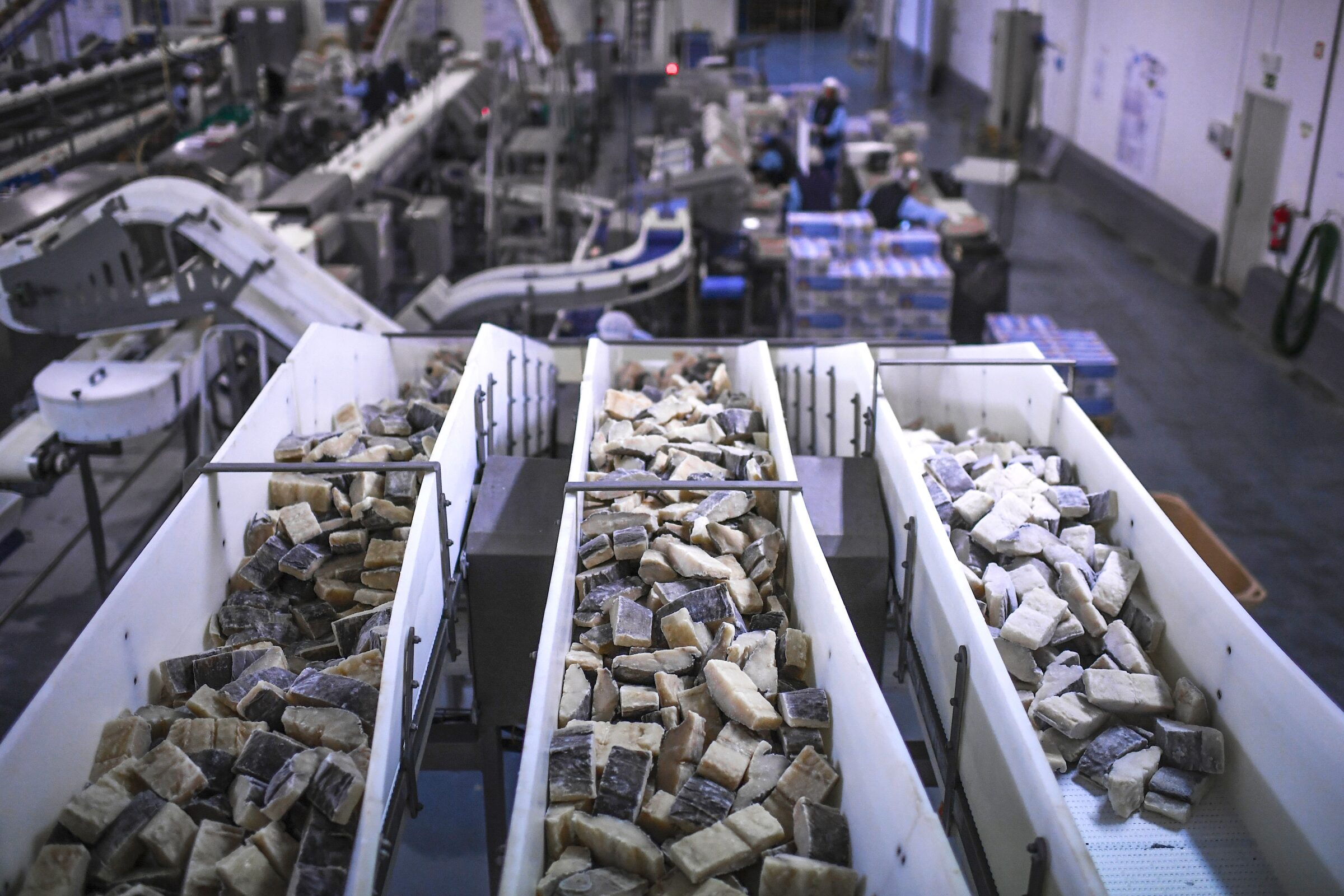
Diplomats did not name the four fish hold-outs, citing the secrecy of the negotiations, but Germany (€284m), France (€89m), the Netherlands (€67m), and Poland (€31m) were the largest importers of Russian “fish meat, whether or not minced, fresh, chilled, or frozen” last year (the largest import category), according to European Commission data.
This was mainly cod and Alaska pollack, which is used in processed food, such as McDonalds fish-cakes.
Belgium, the Czech Republic, Estonia, Italy, Malta, Portugal, and Spain were also sizeable importers, with Spain and Malta each buying over €2m of frozen Russian herrings last year, for instance.
And while the overall trend was going down since Russia fully invaded Ukraine in 2022, led by cuts in Dutch and Polish imports, the French and Germans were more ravenous than ever.
The EU imported €756m of fish from Russia in 2025, compared to €758m in 2024, and €954m back in 2022.
But German imports of Russian “fish meat … fresh, chilled, or frozen” shot up 82 percent and French ones 75 percent in the Ukraine-war period, the commission figures showed.
Germans consumed 2.4m tonnes of Russian “frozen fillets of cod Gadus morhua, Gadus ogac” [types of Greenland cod] last year, for example, compared to 1.5m tonnes in 2022.
And diplomats were divided on whether the fish sanctions would get through.
”I don’t see them [the hold-out EU capitals] changing their minds,” said one EU diplomat on Tuesday.
They were “hesitant” due to potentially “big impacts on … [their] labour markets,” said a second source.
Von der Leyen’s promise
A third diplomat said “we’re not there yet” on a final fish deal, but was optimistic there would be one in the end.
If the final decision did not include Gadus morhua, it would be embarrassing for EU Commission president Ursula von der Leyen, who publicly announced a cod ban on 10 June.