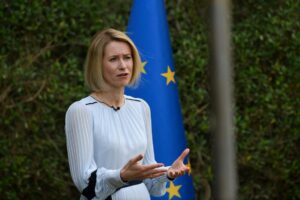
French president Emmanuel Macron has invited leaders of the world’s so-called ‘middle powers’ to a G7 summit that starts on Monday.
 Benjamin Fox



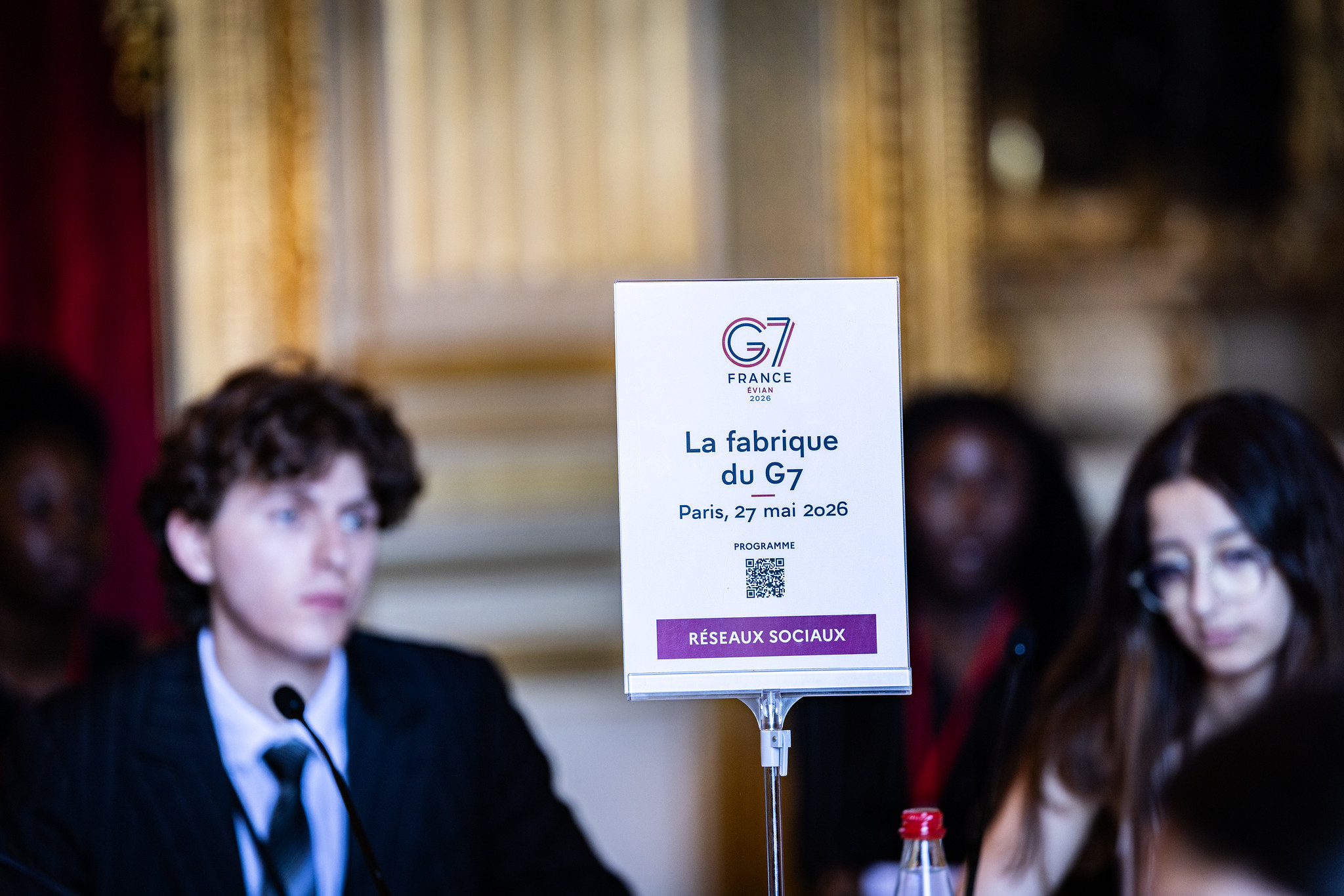
‘A gathering of the middle-powers’ is how many are billing the three day G7 summit that French president Emmanuel Macron will host on Monday (15 June).
With the exception of the super-power US, the G7 members are all wealthy middle powers. And most of the other invited leaders are themselves regional powers.
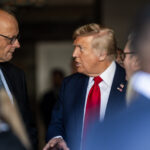
Though US counterpart Donald Trump will attend the meetings in Evian-les-Bains, close to the Swiss border, and the war in Ukraine and the US-Israeli war against Iran will be at the top of the agenda, the real story is about the other attendees.
Ukrainian president Volodymyr Zelensky will push for more air defence support and tougher sanctions against Russia during a session on Russia’s war.
Saudi Arabia, UAE and Qatar, are all directly affected by the Iran war, while Egypt is a key player in mediation efforts. For their part, the leaders from India, Brazil, Kenya and South Korea, are all either in the process or have recently agreed on revamped trade pacts with the EU.
Not attending is China, a frequent critic of the G7 format – which it is not a member of – and its legitimacy, though Macron did host a video call between the G7 countries and China on Thursday (12 June) to address “global trade imbalances.”
‘Finger-pointing’ on oversupply
His finance minister Roland Lescure told reporters earlier this week that France wanted to move away from “finger-pointing” by accepting that underinvestment across the EU has contributed to the bloc’s economic problems, though he insisted that “global imbalances” in trade – code for Chinese oversupply, “are not sustainable”.
“They’re growing, they’re persistent,” he added. “They have to stop.”