The commission has warned governments against stoking demand with broad subsidies at a time of acute supply shortage. So how are Europe’s biggest economies responding three months in?
 Wester van Gaal



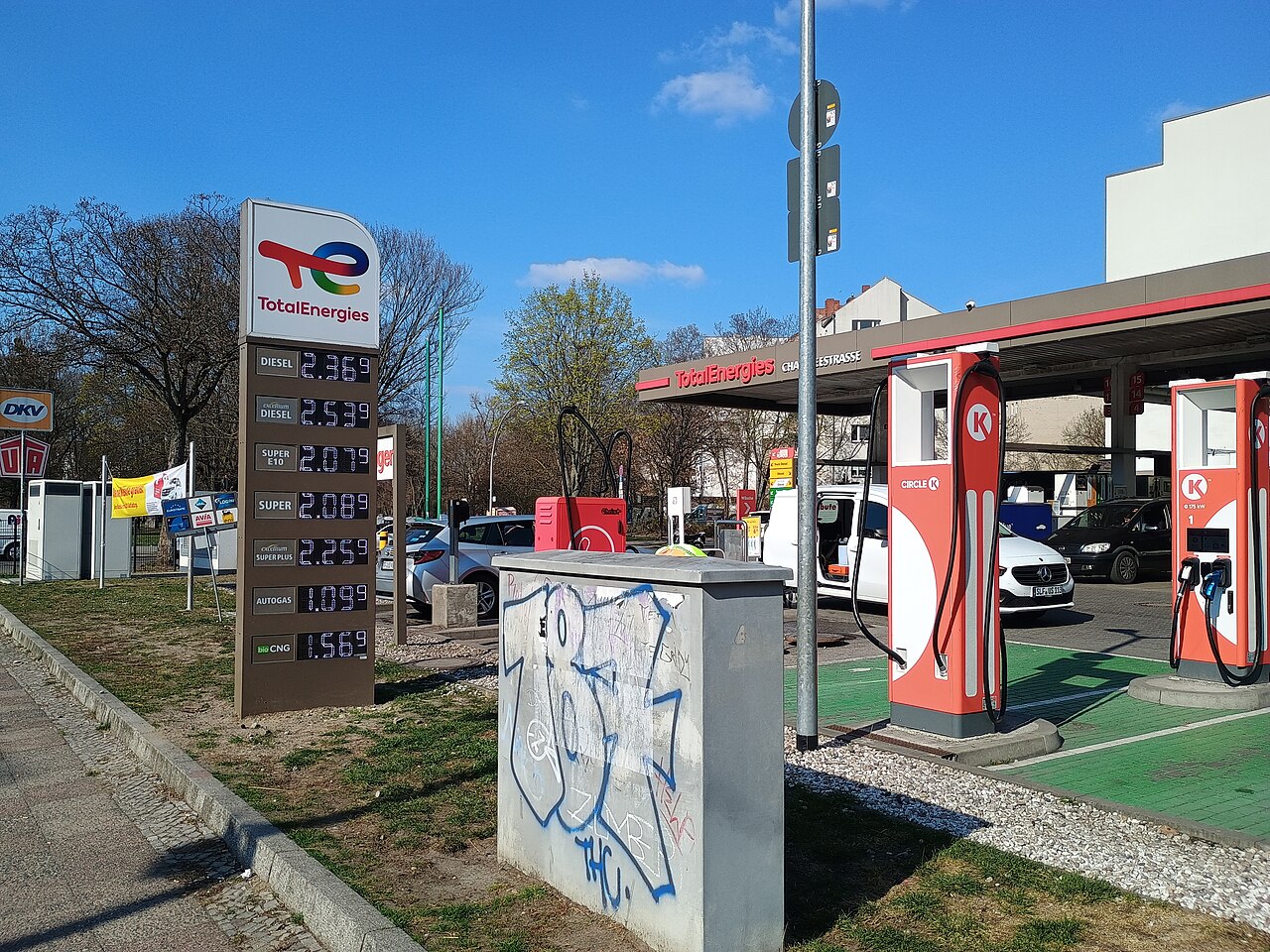
Europe is facing an energy shock. Oil and gas prices haven’t reached the heights governments feared back in March when the US-Israeli war against Iran started.
But with no resolution to the war in sight, the crisis is far from averted.
Iran’s closure of the Strait of Hormuz disrupted about a fifth of global oil and liquefied gas flows. It is still, as International Energy Agency’s chief Fatih Birol described it in April, the “largest supply disruption” in the history of the global oil market.
For now, oil prices have settled back to around $100 a barrel. Gas prices in Europe are about 50 percent higher than pre-war levels, but electricity prices, the bread and butter of the global economy, are roughly the same as they were last year.
Why? Long story short: many people in the global south have stopped using oil, some Gulf supply now reaches global markets through pipelines crossing the Arabian desert; and wealthy countries, most importantly China, are drawing down reserves fast.
But bank analysts warn the relatively stable prices will not last. Likewise, the European Commission in May warned that a downside scenario where oil reaches global recession levels of $180 a barrel plus, remained very much in play.
The question is how are European countries responding? Back in March, EUobserver reviewed the emergency measures taken in the six largest EU economies.
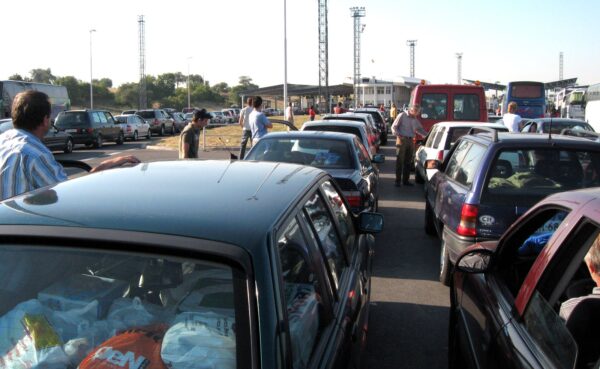
In a March communique, the commission called on countries to “not unduly increase demand for gas and oil” with untargeted fuel subsidies. We found that Spain, Italy and Poland did do exactly that, while Germany and France were more reluctant to act.
Today, the picture has changed. At next week’s summit of European leaders in Brussels, the energy crisis will barely feature on the agenda. And some member states have already started to unwind crisis measures.
Here is where the biggest economies now stand.
Germany — untargeted fuel tax cuts and retreat from green policy
Germany’s initial response to the crisis back in March stood out for its restraint. No subsidies, just a one-price increase per day rule for fuel stations, and tightening of competition law, which allowed federal officers to intervene more easily in cases of ‘excessive’ pricing.
That changed in April when the Bundestag cut petrol and diesel taxes by 17 cents per litre (including VAT) until the end of June, at a projected cost of around €1.6bn.
The package also lets employers give workers a one-off €1,000 tax-free payment to help with living costs. A proposal from the Greens to slash the household electricity tax from 2.05 cents to the EU minimum of 0.1 cents per kWh was, however, rejected.
What comes after 30 June when these policies end is still unclear.
Some politicians want the measures extended. But transport minister Patrick Schnieder poured cold water on that idea, telling Handelsblatt at the end of May that the state “was reaching the limits” of what it can do.
He also ruled out fuel-saving measures such as speed limits or car-free Sundays.
Germany’s emergency package included nothing to accelerate electrification or decarbonisation.
And in some respects policies favour fossil fuels. In May, the government scrapped plans for a mandatory gas boiler phase-out, giving households more flexibility on heating but potentially cementing gas dependency for years to come.

France — targeted relief, big bet on electrification