West Bank Israeli settler exports are ending up in Europe’s shops – even in member states which want the EU to ban them in order to curb Israeli aggression, such as Belgium and Spain.
 admin
admin



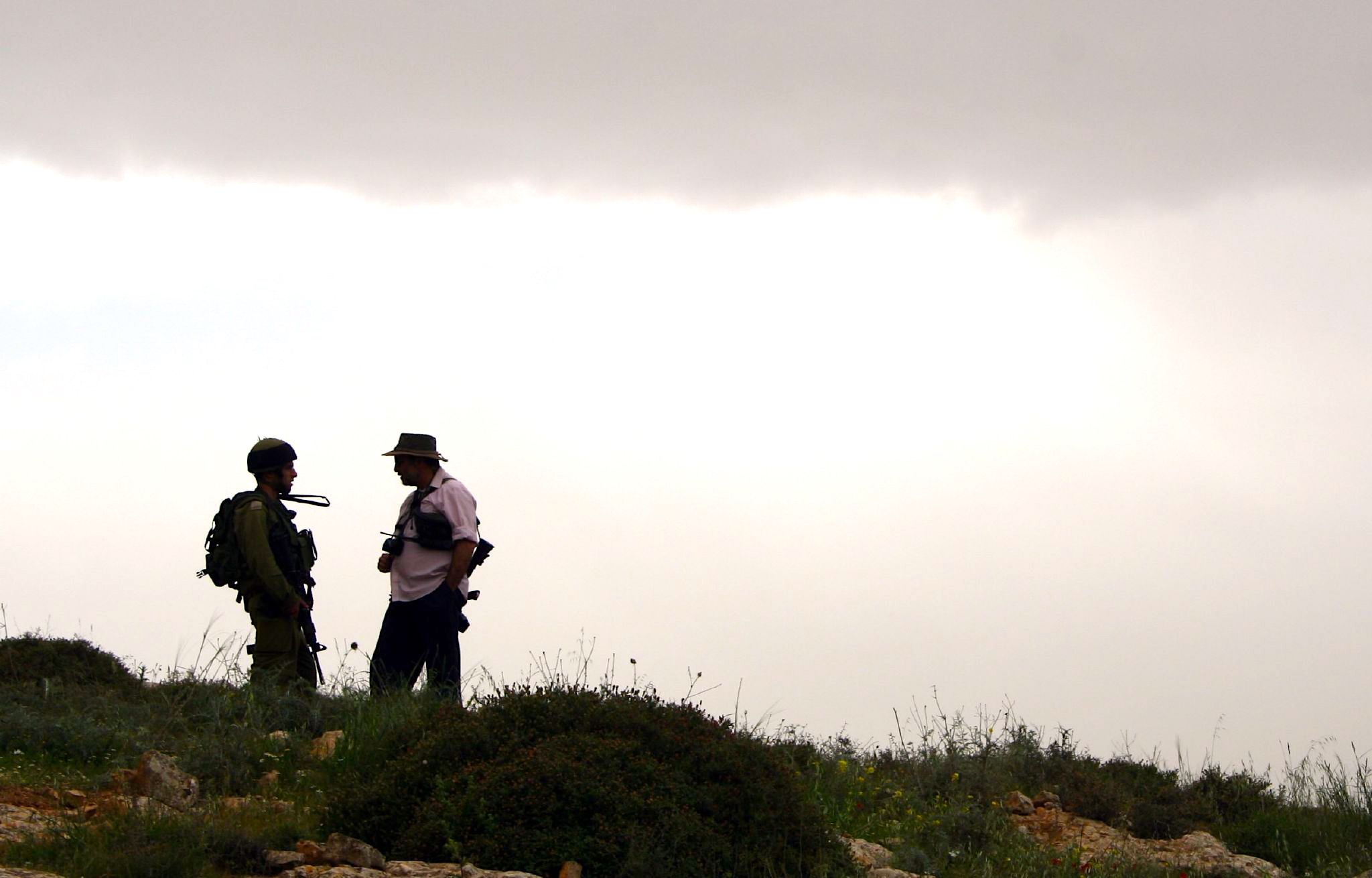
Food and wine from Israeli settlers is still flowing into European shops directly from the West Bank front lines — but Israel risks losing Italy’s protection from EU sanctions.
EU consumers are eating AdaFresh’s edible flowers, Carmel oranges, Hadiklem dates, and Jordan River Herbs from Israeli settler firms in Palestine’s occupied West Bank, for instance.
They are also drinking Psagot, Shilo, and Zion wines from the West Bank, as well as Golan Heights and Tishri wines from Israeli-annexed Syrian territory.
These were among some 45 settler firms who exported agricultural produce and construction equipment to the EU, according to the Coopération Internationale pour le Développement et la Solidarité (CIDSE) group in Brussels and the Israeli WhoProfits research centre.
Total EU trade in goods with Israel grew to €43.3bn in 2025, up from €42.6bn in 2024, despite the Gaza war.
The European Commission was contacted to ask how much of this was trade from illegal Israeli settlements, but did not reply.
EU officials previously told EUobserver it was a “marginal” figure, estimated at less than €250m a year.
But the settlers’ edible flowers and wines were flowing to EU shops directly from what has turned into a battlefield, posing ethical questions for European consumers.
Israeli colonies were also expanding at record rates, stifling EU and UN plans for a two-state solution, and giving Europe’s trade with settlers a strategic importance despite its symbolic size.
Strategy and symbols
“[Israeli prime minister Benjamin] Netanyahu and Israelis more generally expect impunity to proceed with their policies in the Occupied Palestinian Territories and the wider region,” said H.A. Hellyer from the Royal United Services Institute (RUSI) think-tank in London.
“The long-held ambition of Netanyahu and the Israeli right has been to get the world to accept Israel’s permanent hold on the West Bank and treat the illegal settlements as normal,” said Martin Konecny from the European Middle East Project (EuMEP) group in Brussels.
On the ethical front, there were some six attacks a day in the West Bank in 2026, in which settlers fired live ammunition at Palestinian families, and burned homes, cars, and olive groves according to the UN.
Israeli soldiers and settlers have killed 47 Palestinians in the West Bank so far this year.
And post-mortem reports on Palestinian prisoners in Israeli jails cited by a UN special rapporteur on 19 May spoke of “rib fractures, haemorrhages on the skin and internal organs, and lacerations of intra-abdominal organs”.

There were also dozens of “incidents of sexual torture,” said the rapporteur, Alice Jill Edwards.
But despite this, settler exports were ending up in shops even in member states which wanted the EU to ban them in order to chill Israeli aggression.
Spain was doing business with seven Israeli settler firms, for instance: Agrifood Marketing, Arava, Aqwise-Wise, Carmel, Field Produce, Hadiklaim, and Hamat Group.