EU methane regulation might be the next casualty of a dangerous dynamic in Brussels: If industry suffers for whatever reason, policymakers reflexively blame climate legislation.
 Kim O’Dowd



The EU Methane Regulation (EUMR) might be the next casualty of a dangerous dynamic in Brussels.
When major economic issues emerge, EU decision-makers reflexively blame climate legislation rather than weighing evidence. Leaders in Brussels and European capitals still have a chance to stop this landmark regulation from becoming a precedent for the oil and gas industry strong-arming the EU into dismantling its own laws.
Industry actors have never been better positioned to influence EU policy-making. The ‘Draghi report‘ gave political cover to a simplification agenda that increasingly trumps evidence-based policy.
“Deregulation or doom” is now accepted in place of genuine analysis.
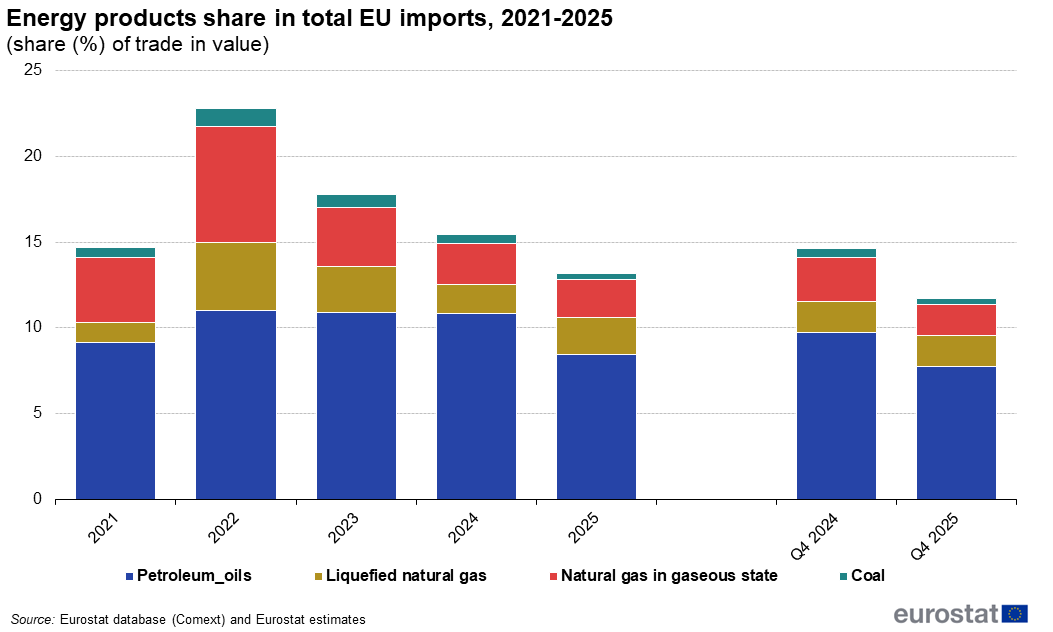
Adopted in August 2024, the EU’s methane regulation requires oil, gas and coal operators to monitor and reduce methane emissions. Since the EU imports over 90 percent of its fossil fuels, the regulation extends to imports.
From January 2027, exporters will face the same monitoring, reporting and verification (MRV) requirements as EU operators, with an import standard from 2030.
Since its adoption, a case against the regulation has been built: the law places requirements on imports, and Europe cannot afford to divert gas supplies, so the rules need to change.
The argument was built by a coalition with clear vested interests.
Who is writting the narrative?
The International Association of Oil and Gas Producers commissioned a Wood Mackenzie report claiming the EUMR threatens energy security. US companies with shaky export terminal investments in Texas and Louisiana have partnered with European fossil fuel importers to amplify the case.
Both have received tailwinds from US president Donald Trump’s administration, which has lobbied hard against the EU methane regulation to protect US LNG (liquid natural gas)profitability.
The US ambassador to the EU, Andrew Puzder. has made claims about the climate credentials of US LNG, while ignoring the record profits fossil fuel companies are reaping from the current crisis.
Lobbying efforts continued last week at the Flame Conference – Europe’s premier gas and LNG event – with the vice-president of the Natural Gas Supply Association asking to delay MRV requirements on imports until 2028.
The war in Iran has shaken global energy markets and given this coalition its opening. Despite clear conflicts of interest, it has positioned itself, almost ironically, as guardian of the EU’s energy security.

The European Commission is reportedly considering compliance without traceability back to the well, the cargo, or the molecule. Exporters could present their lowest-intensity assets while their worst-performing operations carry on unchanged. Penalties would be softened. That is not simplification. It is greenwashing.
These are not proposed as temporary crisis measures. According to senior officials, they are meant to be permanent. A short-term shock is being used to make a long-term change to the EU’s most important climate regulations.
This is a triumph of framing over facts.
What the evidence actually shows
The EU’s methane law was designed after Russia’s 2022 invasion of Ukraine, with supply security on every stakeholder’s mind.
MEPs and EU countries chose a gradual approach precisely to avoid disruption. Operators had two and a half years to prepare for the 2027 MRV requirements; intensity requirements only apply from 2030.
Compliance costs are small. The highest estimated cost impact on EU consumer gas prices is around €0.07 per million British thermal units (MMBtu) from 2031. That is less than one percnet of projected gas prices, and nothing compared to price increases routinely triggered by geopolitical events.
The new rules do not physically ban imports. Companies that fail to comply face proportionate financial penalties, standard practice across sectors. The highest penalties only apply to those who deliberately and repeatedly breach the regulation.
Fossil fuel companies enjoy enormous profits and can absorb the cost. Passing it on to consumers would be a business decision.
The energy security concern does not hold up. The EU is moving from undercontracted in 2023 to over-contracted between 2027 and 2030. Existing LNG contracts are expected to exceed projected demand.
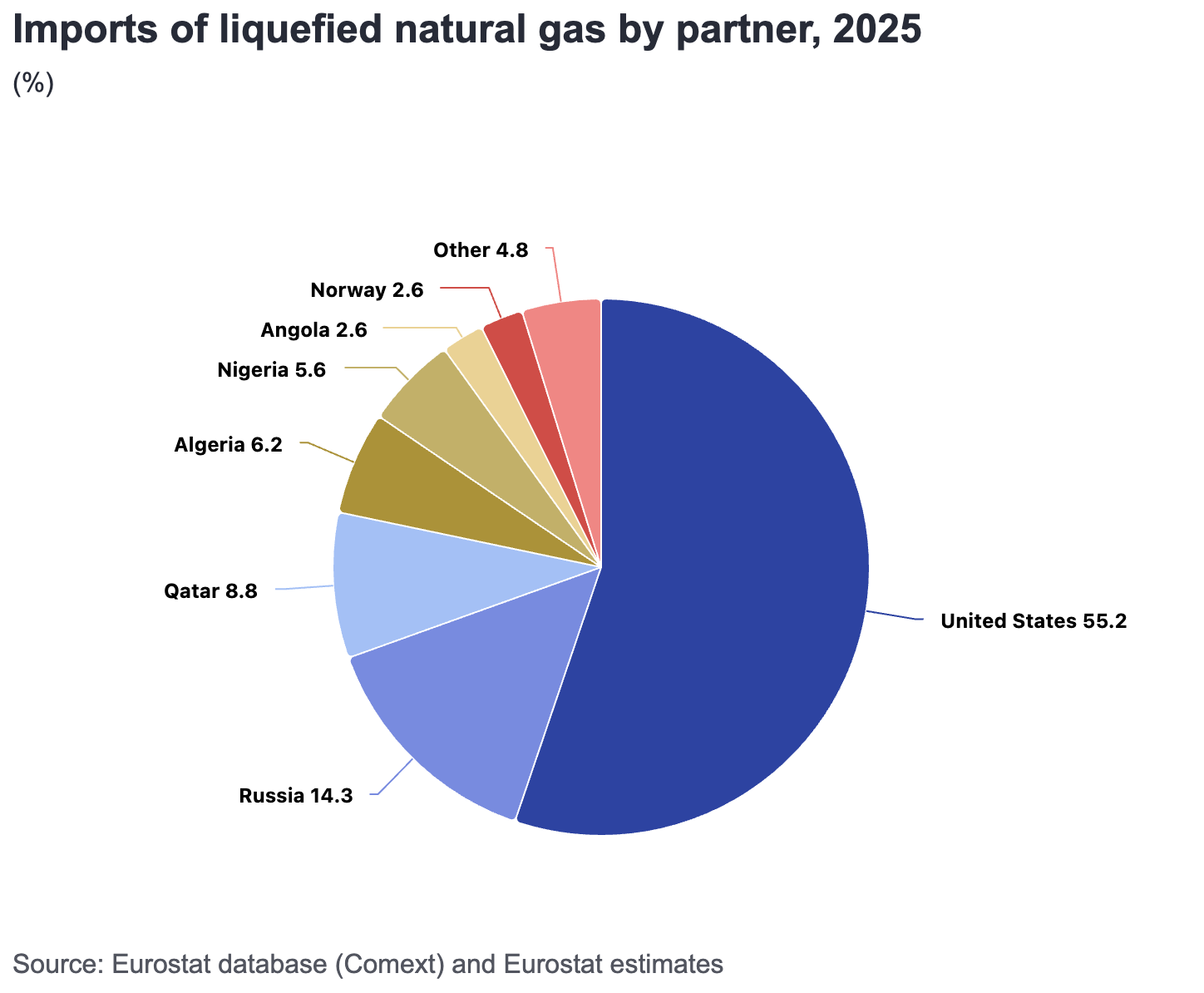
About 70 percent of LNG exports from North America go to Europe. The EU remains an attractive market that exporters cannot ignore, and can progressively prioritise lower-methane supply without distortions.
The real problem
Europe’s energy insecurity was not caused by climate legislation. It was caused by decades of dependence on imported fossil fuels. Weakening the EU’s methane regulation does not fix that. It tells the market that European climate commitments bend under pressure.
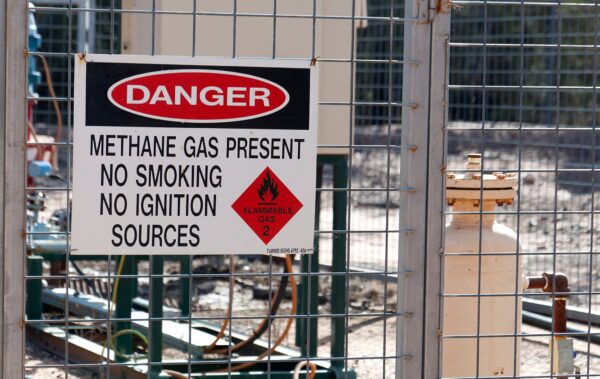
Methane is more than 80 times more potent than CO2 over 20 years. Reducing it is one of the fastest and cheapest climate interventions available.
Every leak repaired means more energy from the same extraction. Methane mitigation is, at its core, an energy efficiency measure. The commission and member states should be accelerating it, not delaying it.
Under the simplification agenda, the EU is unpicking years of climate progress, one rollback at a time, each justified by its own crisis. The EU rules to cut down on methane were carefully designed, extensively consulted, and represent genuine progress in global climate leadership. Dismantling it permanently on the basis of arguments that do not withstand scrutiny would be a serious mistake and a dangerous precedent.