

The growing use of AI in warfare poses a much bigger threat to the future of the UK than the latest advances in frontier AI models, experts have told City AM. Nicholas Fairfax and Max Rangeley, co-editors of The Artificial Intelligence Revolution, said the ability of small actors to use
 Simon Hunt



Saturday 25 July 2026 2:52 am | Updated: Friday 24 July 2026 3:58 pm
The growing use of AI in warfare poses a much bigger threat to the future of the UK than the latest advances in frontier AI models, experts have told City AM.
Nicholas Fairfax and Max Rangeley, co-editors of The Artificial Intelligence Revolution, said the ability of small actors to use AI to develop immensely powerful weapons far outstripped the near-term possibility of a superintelligent AI system causing economic destruction or trying to overpower their human creators.
“The capability to design biological weapons may well be the most dangerous aspect of AI in years to come,” Rangeley told City AM.
“There have been significant barriers to entry for countries to develop dangerous weapons…it’s expensive, you need experts, it’s time consuming. If with AI we enter a situation where a lot more smaller countries can develop deadly weapons, biological weapons that are far more dangerous than we’ve known so far, and perhaps even non-state actors as well, that is a very dangerous world we’re moving into.
“Most of our focus, in my view, should be on that side of things rather than superintelligent AI turning on humans. That threat will happen before superintelligence happens.”
#mc_embed_signup { background: #fff; clear: left; font: 14px Helvetica, Arial,sans-serif; width: 100%; max-width: 600px; margin: 20px 0; } #mc-embedded-subscribe-form { margin: 20px 0 !important; } .newsletter-form-flex { display: flex; gap: 0; align-items: center; margin-top: -10px; } .newsletter-form-flex input[type=”email”] { flex: 1; padding: 2px 10px; border: 1px solid rgb(18, 22, 23) !important; border-radius: 12px 0 0 12px !important; } .newsletter-form-flex input[type=”submit”] { padding: 4px 10px !important; margin: 0 !important; background-color: rgb(18, 22, 23) !important; color: rgb(255, 255, 255) !important; border: 1px solid rgb(18, 22, 23) !important; border-radius: 0 12px 12px 0 !important; } .newsletter-banner-content { margin-bottom: 15px; } .newsletter-banner-content h2 { margin: 0 0 10px 0; font-size: 18px; font-weight: 600; } .newsletter-banner-content p { margin: 0 0 10px 0; line-height: 1.5; } .newsletter-banner-content ul, .newsletter-banner-content ol { margin: 0 0 10px 20px; } .newsletter-banner-content a { color: #0073aa; text-decoration: none; } .newsletter-banner-content a:hover { text-decoration: underline; } .newsletter-banner-content img { max-width: 100%; height: auto; margin: 10px 0; } #mc_embed_signup #mce-success-response { color: #0356a5; display: none; margin: 0 0 10px; width: 100%; } #mc_embed_signup div#mce-responses { float: left; top: -1.4em; padding: 0; overflow: hidden; width: 100%; margin: 0; clear: both; }
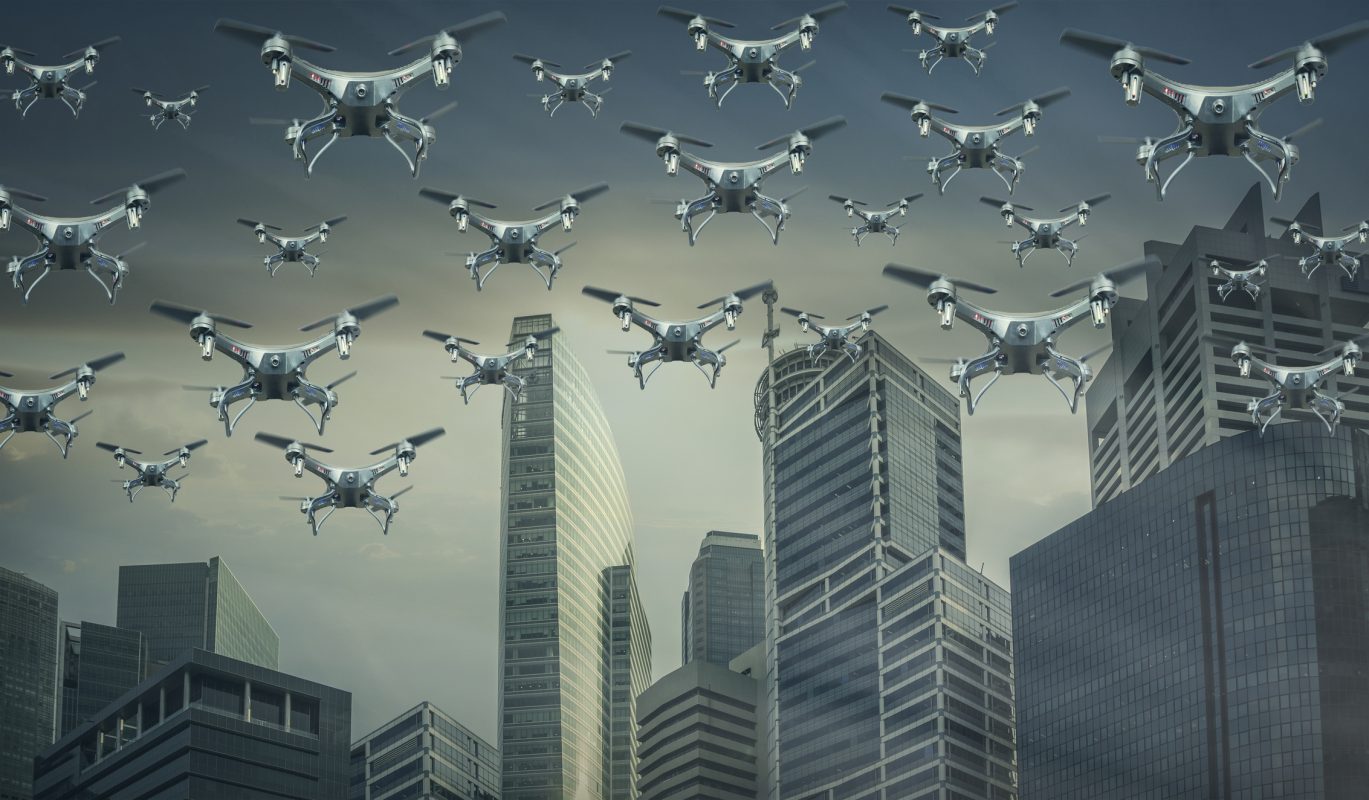
The adoption of AI in defence has ramped up across the globe over the past two years. The Russia-Ukraine war has served as a real-time test bed for the latest technologies, raising questions over the extent to which new pieces of kit can be kept under control.
“Meaningful human control remains an important part of international law so that there should always be a human in the loop, somewhere in the chain, controlling things,” said Nicholas Fairfax, co-editor of the book and a former member of the House of Lords AI in Weapon Systems Committee.
“But I don’t know whether that rubicon has been crossed already. You only have to look at Ukraine to wonder whether any of those drones that have become so significant are already operating beyond human control.”
Read more OpenAI’s proposed ‘Trump stake’ raises ‘governance overhang’ fears ahead of IPO
UK government probes OpenAI breach after ‘unprecedented’ hack
The warnings come as The UK government probes the first known case of an artificial intelligence model breaking out of a controlled test by itself and hacking another company’s systems.
Officials at the government-backed AI Security Institute (AISI) are investigating the security breach at OpenAI and whether similar incidents could occur at other top developers, a spokesperson told City AM.
One of OpenAI’s models found a hidden flaw, broke out of its test environment, and targeted the AI platform Hugging Face to steal answers to a cyber test.
The incident, which OpenAI described as an “unprecedented cyber incident”, marks the first publicly disclosed case of a so-called frontier AI system autonomously hacking into systems outside its test environment on its own to finish a task it was given.
“We will reach a point within the next few years where it will become a significant danger to humanity and that might well happen quite quickly,” Rangeley said.
“This fear over the dangers of AI has long preceded the current AI companies.
“This is not just frontier AI companies stoking fear so they can have regulatory moats around them to keep out competitors. This is a real danger.”
Play Video Read more AI minister: UK sets sights on global AI leadership, not Silicon Valley emulation
Similarly tagged content: Sections Categories People & Organisations