Europe may not fare well in a gas bidding war with China.
 Ben Munster



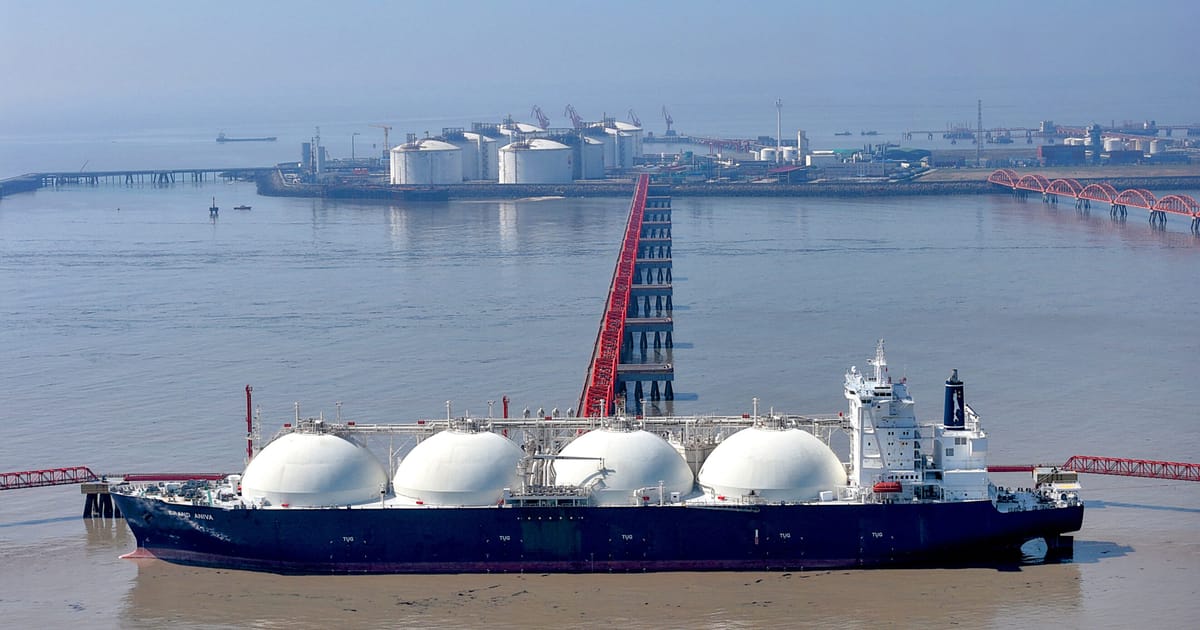
After Russia’s 2022 invasion of Ukraine, the EU tried to build a platform — AggregateEU — that would allow private companies to collectively bargain better deals for gas on the international market. While it was popular with smaller importers with fewer resources, there’s no visibility into how many deals were cut on the platform. Big players say they generally stayed away from it, preferring to go alone.
“While several negotiations were initiated, they did not result in completed transactions,” Christoph Gottstein, communications head at German energy giant SEFE, told POLITICO. “This experience reinforces our assessment that the gas market continued to function effectively … without the need for intervention.”
The gas coordination platform was decommissioned, but the Commission has considered reviving it in the wake of the Iran war, two EU officials told POLITICO, who were granted anonymity to speak openly. But they said the EU can do little to actually compel companies to use these platforms.
Importers also worry that coordinating on the platform could be a form of collusion, and the Commission itself can only informally help companies make sure they’re not in breach of complex competition rules, the first official said.
Neither can European officials directly negotiate with competitors. While the Commission and Asian counterparts have directly shared updates on energy policies to avoid roiling markets since the outbreak of the war, they can’t haggle over which individual cargoes go where, the two officials said. “It’s every man for himself,” said a second official.
That means Asian countries could have an edge over Europe. “In crisis situations, markets that are more authority-driven can tell a few companies: ‘Just do the job,’” said a second EU official. “We can coordinate, we can encourage, but we can’t operate the way China does.”