


What the Socialists, Liberals and Greens can no longer do is denounce the hard-right while sustaining the parliamentary machinery that gives it influence. Yet that is precisely what they have been doing since 2024, and the renewal of the European Parliament presidency is about to expose the contradiction.
 Alberto Alemanno



For most of the EU’s history, Christian Democrats and Socialists governed together.
When their majority disappeared in 2019, they brought in the liberals; in 2024, the Greens (informally) too.
On paper, this gave the pro-EU mainstream a comfortable majority: the European People’s Party, Socialists & Democrats, Renew Europe and Greens together hold well over 450 of 720 seats.
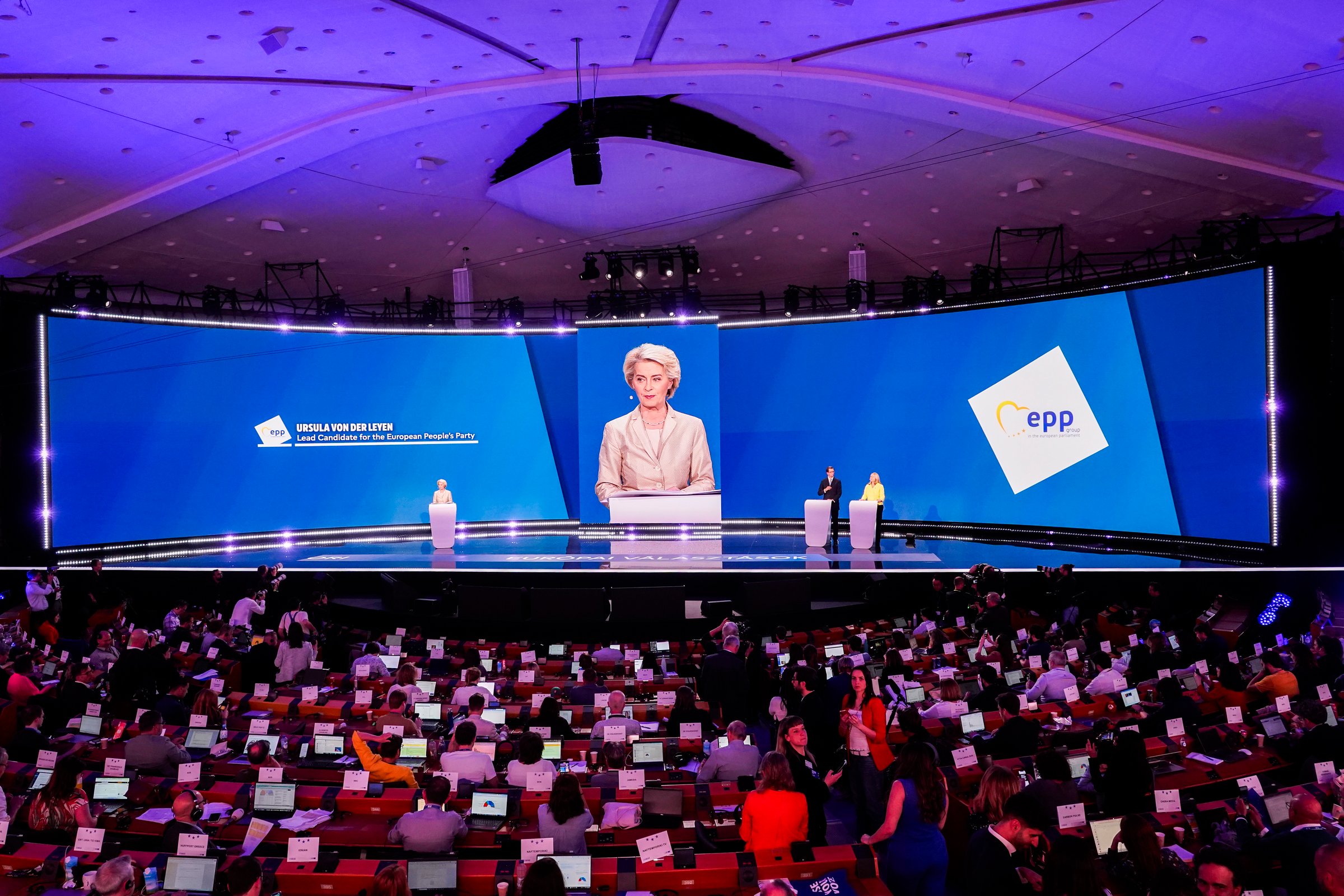
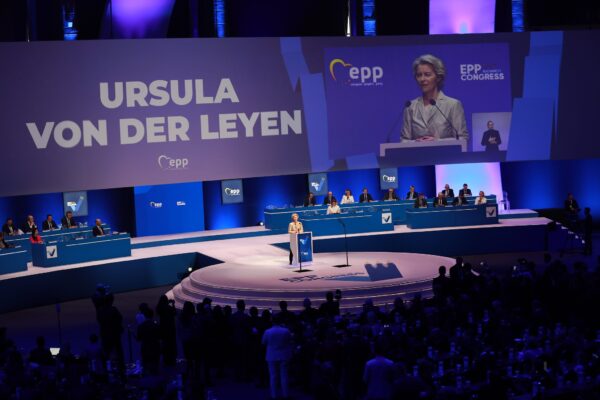
Yet when the new European Parliament confirmed Ursula von der Leyen for a second mandate, she received only 401 votes, largely thanks to Georgia Meloni’s rightwing European Conservatives and Reformists (ECR), Marine Le Pen/Jordan Bardella’s hard-right Patriots for Europe and the Alternative for Germany (AfD)’s extreme-right Europe of Sovereign Nations (ESN).
The vote was secret, but its meaning was not: the formal pro-European majority was already fraying, and the EPP was already discovering it could look right whenever the centre-left became inconvenient.
Even before the elections, the EPP had begun distancing itself from the European Green Deal while adopting increasingly hard-right language on migration and environmental protection.
Since then, the pattern has become unmistakable. On issue after issue – from Venezuela to the Return Regulation – the EPP has not merely flirted with the hard-right. It has normalised an alternative majority of convenience.
Whenever the numbers are tight, it turns right.