Behind empty Strasbourg benches, a fight over whether polluting oil giants or national treasuries should pay for Europe’s €70bn-a-year adaptation is stalling any serious protection plan.
 Gaia Neiman



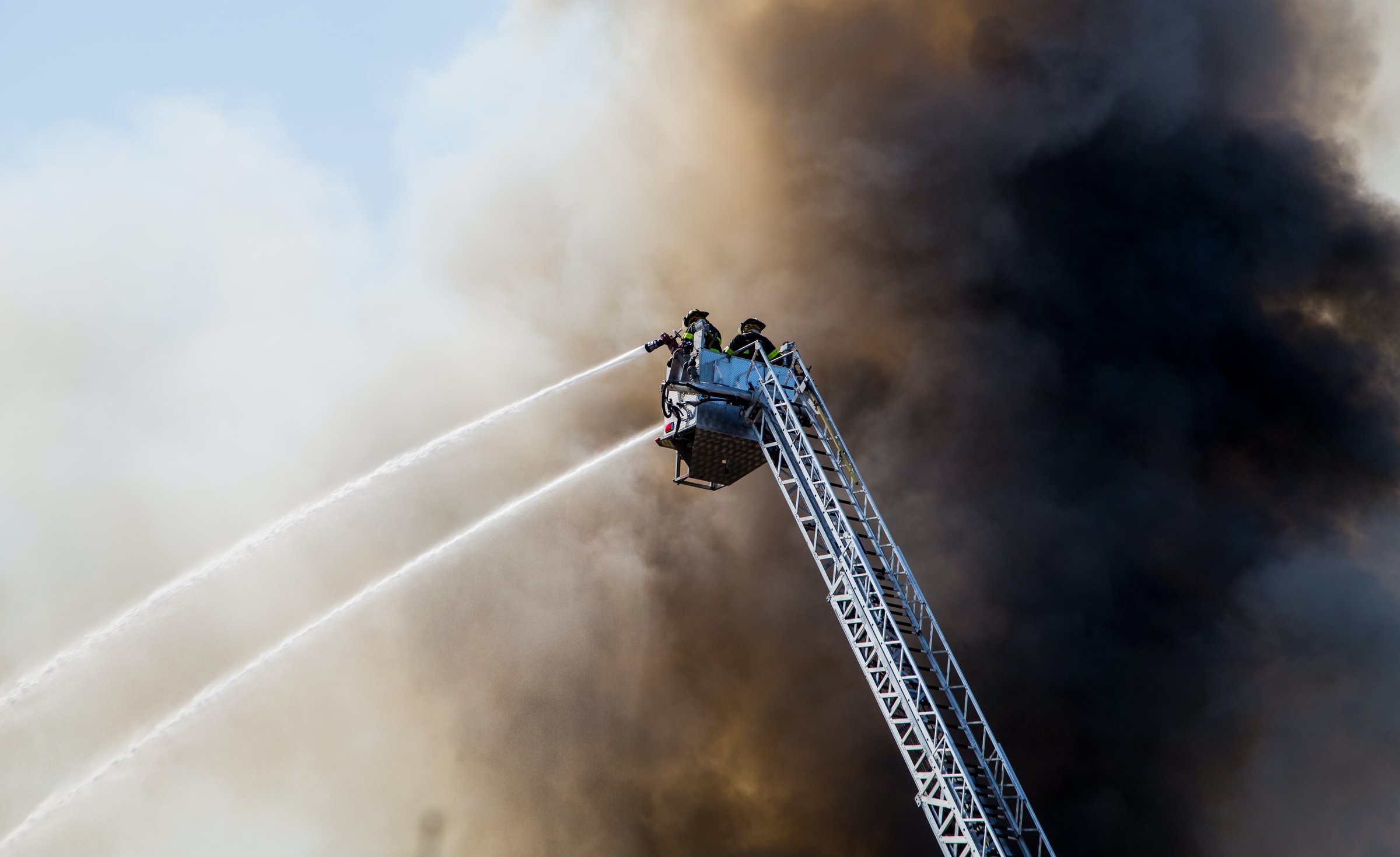
Europe faces an estimated €70bn annual bill to adapt to climate change, but as deadly heatwaves and wildfires intensify across the continent, questions remain over who should pay.
The European Parliament approved €144.1m in aid to Spain, Romania and Cyprus this week to recover from wildfires, floods and heatwaves they faced in 2025, before debating upcoming heat disasters without concrete practical solutions on Wednesday (8 July).
As Europe buried over 1,300 excess deaths from its last heatwave at the end of June, the sole preventive measure the EU’s mostly empty parliament debate could agree on was enhancing firefighting preparedness.
“We must encourage more to become volunteers,” Belgian MEP for the European People’s Party (EPP) Pascal Arimont told colleagues in the final Strasbourg plenary scheduled before summer break, when the fastest warming continent on Earth will be getting much hotter.
In response, the EU commissioner for preparedness and crisis management Hadja Lahbib promised a toolkit to increase heatwave risk awareness and promote volunteering.
Volunteer firefighters make up over 70 percent to 99 percent of total firefighting forces in many European nations, with countries like Portugal (94 percent volunteers), Germany (97 percent), and Austria (99 percent) relying massively on their services.
As of July 2026, following a record-breaking heatwave across the continent, Portugal, France, Spain, Greece and Croatia are battling severe wildfires. This week, the European Commission announced that it mobilised a record of 777 firefighters from 14 European countries to high-risk areas across Cyprus, Greece, Italy, France, Spain and Portugal. The firefighters are already in place or will be deployed in the coming weeks.
Under the EU civil protection mechanism, countries can request assistance, coordinated by Brussels.
‘Europe can’t wait’
Adding to a larger European debate about accessibility of air conditioning, Lahbib also promised a climate adaptation plan to be presented in the autumn.
“We must protect our citizens, and particularly those living also in urban areas by making our cities, buildings, and public spaces more resilient,” she said.

The European Commission’s July 2025 EU budget proposal for the 2028-2034 period amounts to almost €2 trillion, 35 percent of which should be devoted to climate measures.
But no agreement has been reached, with some member states, including Germany, the Netherlands, Denmark, and Sweden, arguing that the proposed budget is too high.
“Europe can’t wait. We are looking forward to the next budget, and in those negotiations we see who wants to protect people,” Socialist and Democrats (S&D) leader Iratxe García Pérez told Strasbourg’s parliament.
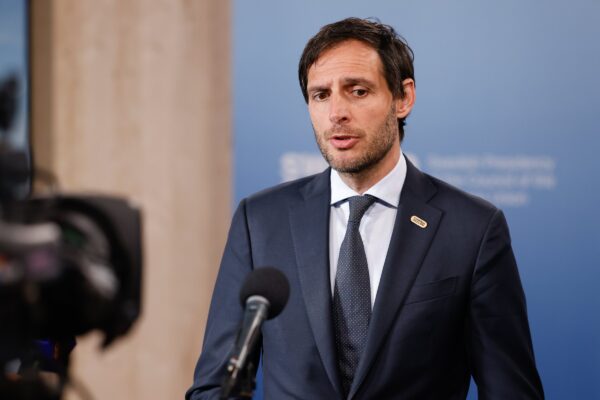
The S&D had demanded a law to be implemented to protect workers exposed to the heat, while the Greens and far-right Europe of Sovereign Nations hoped to have caps for maximum temperatures in workplaces and a climate adaptation fund in the upcoming budget.
“There’s a strict industry rule that a server in a data centre may never get warmer than 27 degrees…we have never written an equivalent rule to protect people,” Belgian MEP for the Greens Sara Matthieu told EUobserver.
“We want binding heatwave standards for homes, schools and hospitals, paid for by the polluters who created this crisis in the first place.”
The Greens, for their part, called for TotalEnergies, BP, Chevron, Exxon Mobil and Shell’s profits to cover the €70bn annual bill needed to make Europe heat-resilient.