Instead of asking how Europe should adapt to a changing climate, some politicians have found another opportunity to wage a stale culture war. Their latest target is air conditioning.
 Gerben-Jan Gerbrandy



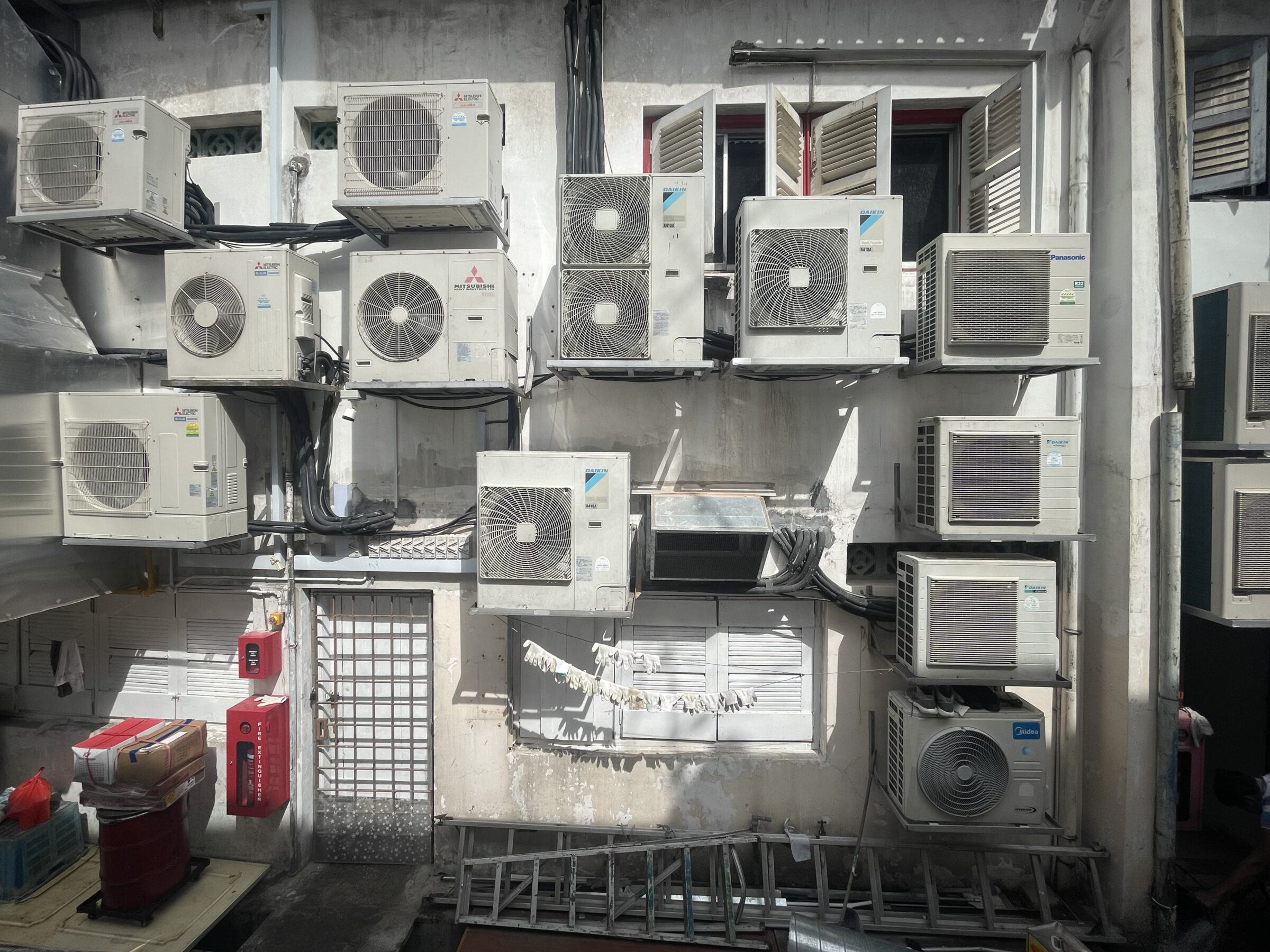
Europe is getting hotter. That is not ideology. It is the reality millions of Europeans are experiencing this summer as schools close, hospitals come under pressure and sleepless nights become the norm.
Yet instead of asking how Europe should adapt to a changing climate, some politicians have found another opportunity to wage a stale culture war. Their latest target is air conditioning.
Apparently, the choice is simple. You can support climate action and the EU Green Deal, or you can keep your family cool. You can fight climate change, or you can survive it.
It is an argument designed to divide. And it is completely false.
Nobody should feel guilty for wanting relief from extreme heat. Air conditioning saves lives. For elderly people, hospital patients and those living in poorly insulated homes, it is increasingly becoming a public health necessity rather than a luxury. Early estimates suggest that more than 1,300 people may have died prematurely during the latest heatwave alone.
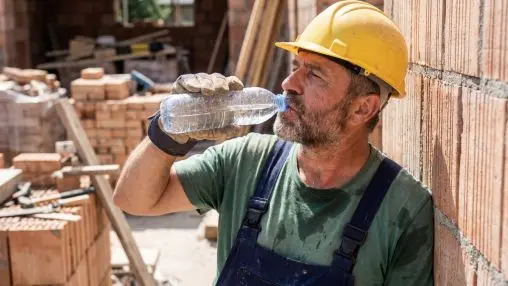
But neither should we accept the cynical argument that the answer to rising temperatures is simply to install more air conditioners while abandoning the very policies designed to tackle the causes of those rising temperatures.
That is where the far-right’s argument falls apart.
For years, many of the same politicians dismissed climate science, delayed emissions reductions and opposed investments in clean energy. Now that heatwaves have become impossible to ignore, they have reinvented themselves as champions of air conditioning, presenting the EU Green Deal as the obstacle rather than the solution.
Their prescription amounts to little more than this: ignore the fire, buy a bigger fan.
Europe deserves a more serious conversation.
Electrification
The real debate is not about whether Europeans should have air conditioning. Of course many will need it. As The Economist recently argued, a warming continent must become more comfortable with cooling. The real question is how that cooling is powered, who can afford it and whether it leaves Europe more secure or more dependent.
The answer is not fossil fuels. It is electrification.
Europe’s climate policies are also driving innovation. The latest generation of air conditioning units is far more efficient than those of just a decade ago, helping households stay cool while using much less electricity.
Many of these cutting-edge technologies are made in Europe, demonstrating that ambitious climate policies can strengthen European industry as well as reduce emissions. By raising efficiency standards, Europe has helped make cooling cleaner, cheaper and smarter.
But electrification is about far more than replacing one appliance with another.
Europe needs modern electricity grids capable of moving clean power across borders, faster permitting for renewable energy, greater investment in battery storage and smarter demand management so electricity is available when demand peaks. Heatwaves should strengthen the case for Europe’s clean energy transition, not become an excuse to delay it.
Every rooftop solar panel produces electricity when demand for cooling is at its highest. Every heat pump installed today provides warmth in winter and efficient cooling in summer. Better insulated homes, greener cities, smarter electricity grids and affordable renewable energy all reduce both emissions and energy bills.
This is why the EU Green Deal is not the problem. It is Europe’s climate adaptation strategy as much as its climate mitigation strategy.
More trees
We also need to make our cities fit for a warmer climate. You may rail against green policies, but then you are also railing against some of the most effective and popular ways of keeping our communities cool.
More trees and urban nature lower temperatures, reduce the risks of both flooding and drought, improve public health and make our neighbourhoods more pleasant places to live. More trees, greener streets, cool roofs, better-insulated homes, shaded public spaces and climate-resilient schools should become as much a part of European infrastructure as roads and railways. Adaptation is no longer optional. It is now a core responsibility, alongside cutting emissions.
Europe’s response to extreme heat should not be fear or false choices. It should be innovation, investment and resilience. That means completing the Energy Union, strengthening our electricity grids, accelerating electrification and ensuring every European household can benefit from affordable, clean energy.
The far right wants Europeans to believe they must choose between staying cool and tackling climate change.
They do not.
Europe’s answer to a hotter future is not more hot air. It is more clean electricity, smarter infrastructure and the confidence to build on what the EU Green Deal started.
In a hotter world, investing in the EU Green Deal and electrification is not a luxury. It is Europe’s insurance policy.