
Addressing the situation in the Western Balkan countries as an enlargement issue rather than a foreign policy issue has allowed European institutions and EU member states to reduce ambiguities and divergent preferences
 Bekim Baliqi



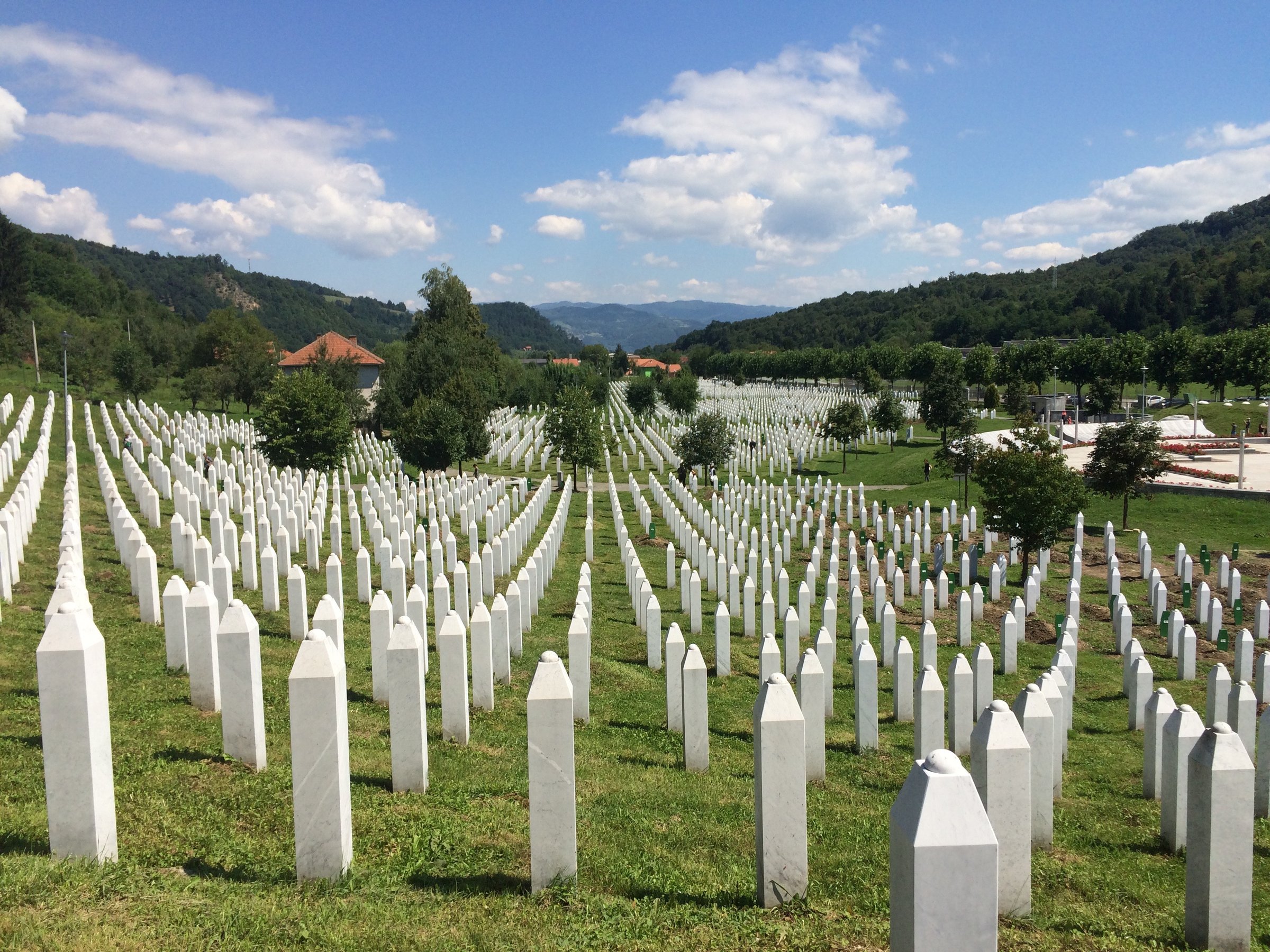
The Western Balkan region, often referred to as southeast Europe, consists of Albania, Bosnia and Herzegovina, Croatia, Slovenia, Kosovo, Macedonia, Montenegro, and Serbia.
These countries share a common perspective on European integration and a rich cultural heritage influenced by the former communist Yugoslavia, the Ottoman Empire, and the Austro-Hungarian Empire.
The European Council declared in unambiguous terms at the Thessaloniki Summit in July 2003 that “the future of the Balkans is in the European Union.”
Apart from Slovenia’s accession in 2004 and Croatia’s accession to the European Union in 2013, little progress has been made since then, and the enlargement prospects of other countries are also unclear.
In addition, these countries demonstrate insufficient regional cooperation and continue to have animosities.
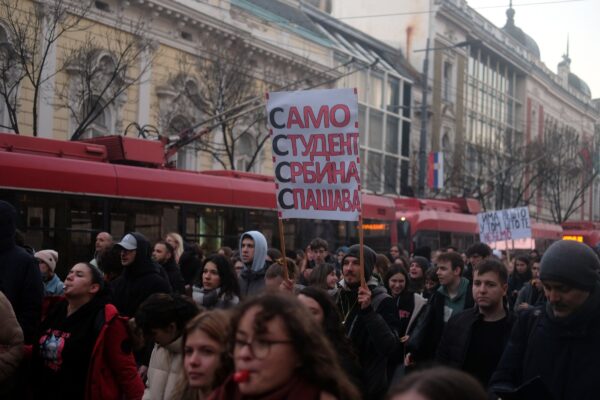
One of the most challenging issues in the Western Balkans remains its violent past and the failure to deal with it. Contested historical interpretations continue to cause confrontations between neighbouring countries and hinder the development of a common EU perspective.
Memory-studies scholars are concerned with the question of how the past of conflicting societies is manifested, interpreted, and contested by different ethnic, political, or religious communities. Dealing with the past requires societies to address the legacies of a violent past through various mechanisms.
However, addressing the 1990s wars’ aftermath remains a significant regional political issue, particularly regarding Bosnia and Herzegovina’s reconciliation and the normalisation of relations between Kosovo and Serbia.
Why is dealing with the past important for Western Balkan societies?
Addressing grievances and violent pasts, whether through war crimes prosecution, truth commissions, memory politics, or reconciliation efforts, is not only an ethical issue but also a moral imperative in the Western Balkans.
Moreover, it is structurally related to democratic consolidation, peacebuilding, and the European Union enlargement.
Dealing with the past remains a formal requirement for EU membership, whether referred to as a ‘good neighbourhood’ policy or a ‘normalisation of relations’ approach.
These transitional justice incentives include both judicial and non-judicial mechanisms, with differing levels of international community involvement.
The Stabilisation and Association Process (SAP) demands full cooperation with the International Criminal Tribunal for the former Yugoslavia (ICTY), refugee returns, minority rights protection, and a commitment to regional cooperation.
However, the Western Balkans’ EU integration stalemate cannot be attributed solely to technical accession criteria.
Unresolved war legacies, mutual mistrust, and incomplete reconciliation shape political life and hinder deeper cooperation.
As a result, the Western Balkans remain caught between ‘Europeanisation’ efforts and ‘Balkanisation’ tendencies, undermining institutional trust and increasing emigration.
What is done and what can be done more?
The politicisation of national history, biased collective memory, ethno-political tensions, and mistrust between Western Balkan societies complicate the efforts to address the legacies of atrocities and achieve reconciliation.
Crucial for dealing with the past, the transitional justice process addresses impunity, provides reparations to victims, builds trust between former adversaries, and seeks to contribute to a process of reconciliation.
The legacies of the past and turbulent historical memories continue to influence resentments, political attitudes, and inter-ethnic relationships in Western Balkan societies. The experiences of Germany and Austria with Vergangenheitsbewältigung [coming to terms with the past] are highly significant for southeast European countries.
Despite internal EU divisions, rising populism, and diverse challenges, Europe’s strengths in addressing the past, democracy, gender equality, and freedom present a substantial model for Western Balkan states navigating geopolitical changes and EU integration.
For political leaders in the Western Balkans, understanding Europe’s position and potential in this context is crucial, as it affects their future and the EU integration process.
The transformation of the EU approach from post-war reconstruction and stabilisation of the region to enlargement policy enabled political conditionality through pre-accession assistance, which reduced institutional ambiguities.
Addressing the situation in the Western Balkan countries as an enlargement issue rather than a foreign policy issue has allowed European institutions and EU member states to reduce ambiguities and divergent preferences.
Furthermore, the pre-accession assistance and promise of eventual membership have given the EU the chance to apply political conditionality to Western Balkan countries.
Although conditionality is the most effective transitional justice mechanism of the EU, it faces implementation difficulties.
The policies primarily target political leadership while neglecting civil society organisations, including war victims’ associations, veterans’ groups, women’s groups, and families of missing persons.
The ICTY was the EU’s primary focus, but dialogue, reconciliation, and interethnic initiatives related to dealing with the past were inadequately addressed.
Among the first and most important dealing with the past initiatives is RECOM, the Regional Commission for Establishing Facts regarding War Crimes and Serious Human Rights Violations on the Former Yugoslavian Territory between 1991 and 2001.
This coalition of civil society organisations from post-Yugoslav nations was established on 28 October 2008 in Pristina, following a resolution by 100 participating organisations.
Since then, the Coalition for RECOM has brought together 2,050 non-governmental organisations dealing with human rights, associations of detainees, refugee associations, associations of families of missing persons, artists, writers, lawyers and other prominent intellectuals.
It should be noted that RECOM and similar civil society initiatives are very valuable because they promote local responsibility and fact-finding across ethnic divides.
Whilst war crime tribunals (domestic and international) are almost completed issuing indictments, an ongoing ‘memory war’ between Western Balkan societies continues. Therefore, upcoming regional initiatives and strategies addressing the past must challenge these contentious politics of memory and support educational incentives and youth programmes that promote shared civic memorialization and reconciliation.
The European Union, through the Berlin Process, already acknowledges that the past matters for the Western Balkan region, but it lacks binding reconciliation benchmarks in its enlargement framework.
In response to increasing war crimes and genocide denials, nationalistic discourse, and anti-reconciliation policies, EU conditionality in this context needs to be applied more consistently and decisively.
It should also actively support civil society organisations, victims’ associations, local actors, and regional networks, as democratisation and reconciliation primarily occur at the local level and are driven by these groups.
Therefore, Western Balkan societies and states must understand dealing with the past as a precondition for establishing a democratic future, not merely as an externally imposed requirement or obligation.
This involves engaging in interethnic dialogues about historical grievances, acknowledging diverse collective memory perspectives, and building a culture of reconciliation.
In this way, societies can build trust and mutual respect, essential for sustainable peace and cooperation. Moreover, engaging with the complexities of their history also empowers citizens to participate more actively in the democratic process.
In a broader sense, dealing with the past becomes a test of whether these states are moving toward pluralist democracies and European values or reproducing nationalistic narratives, one-sided memorialization, and reinforcing ethnic divisions.
This stakeholder article is paid for by a third party. All opinions in this article reflect the views of the author and not of EUobserver.