The European Commission apparently has no clue that one of its senior officials went to Afghanistan in January to meet with the Taliban, the latest indictment of an institution that continues to railroad accountability while proclaiming itself to be transparent.
 Nikolaj Nielsen



The European Commission apparently has no clue that one of its senior officials went to Afghanistan in January to meet with the Taliban, the latest indictment of an institution that continues to railroad accountability while proclaiming itself to be transparent.
Let me give you a prime example.
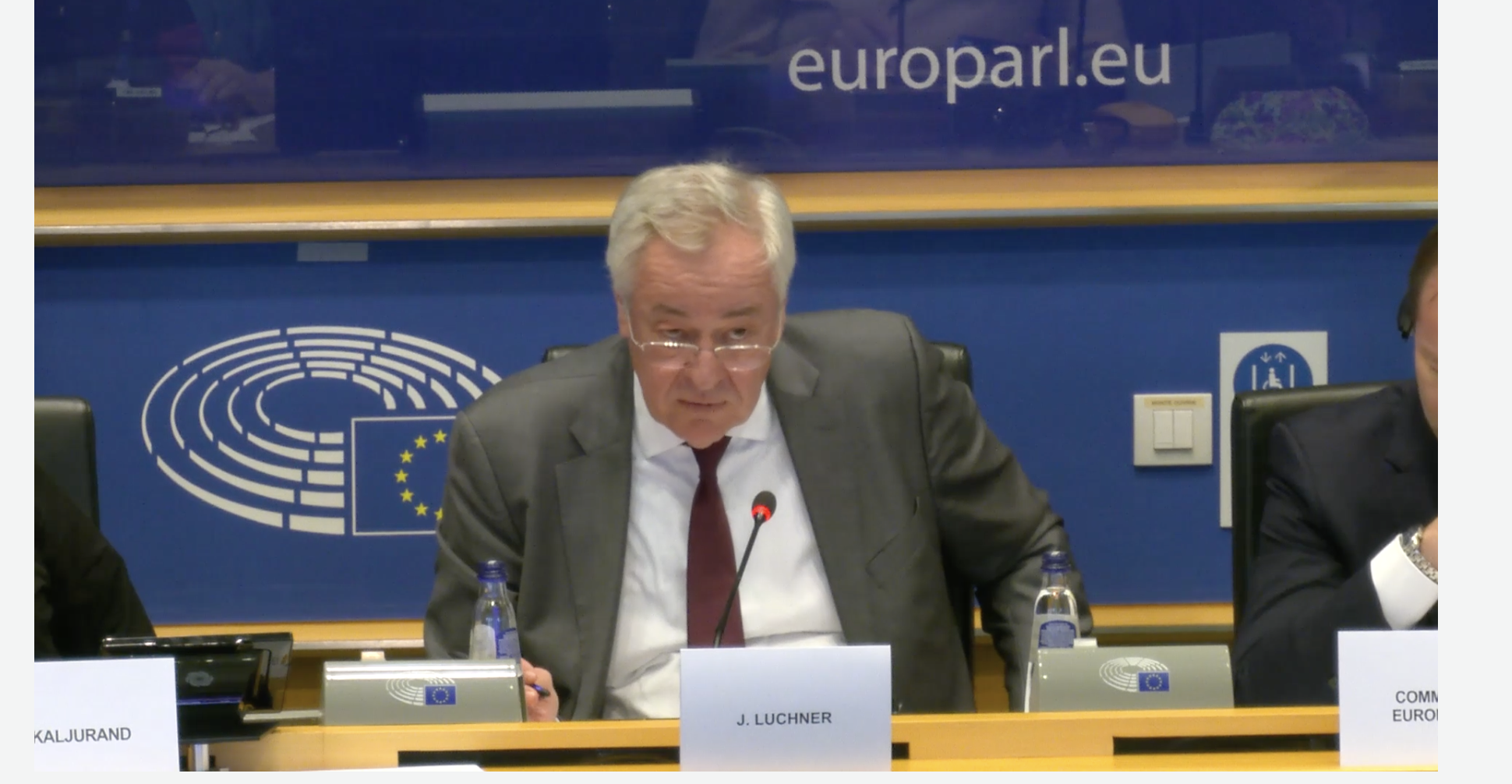
Johannes Luchner is the deputy-director general of the commission’s branch dealing with home affairs. On 26 January, he told MEPs in a public hearing that he had met with the Taliban in Afghanistan.
His exact words: “With Afghanistan, and I’ve been there just last week together with the head of Belgian migration, we’re not discussing legal migration with the de facto authorities. Our first interest is the return of criminals, but we also have an increasing number of non-criminal Afghans with a return order.”
You can watch him say it here [time stamp 15:02].
But the commission claims it has no records of him ever going to Afghanistan.
This was confirmed to me by his boss, Beate Gminder, who heads the entire department.
In a letter she sent months after I had asked, she told me the “commission does not hold any documents” on Luchner’s visit to Afghanistan.
It is simply not credible that her second-in-command went to a high-risk country without generating any paper trail. No itinerary, no calendar entry, no meeting record, no debriefing, no pre-travel clearances…
Was Luchner taken into the country without the Brussels-executive being informed, or was the trip organised solely by the Belgians, who failed to share any documentation with the commission? Both explanations seem unlikely.
When asked, the commission’s press service on Thursday (2 July) said it was unsure whether it was even allowed to identify any of the officials who travelled to Afghanistan, despite their own public statements confirming that they had.
The twisted logic echoes musings by German socialist Max Weber, who described big administrative institutions as an iron cage that strips people of individual agency.
Trapped by its own internal procedures and protocols, the commission appears increasingly at odds with basic principles of accountability.
The end result is cold calculated impunity.