The Western military alliance’s Ankara summit is a chance for the Turkish president to showcase his country’s strategic importance abroad while tightening the political screws at home.
 Hamdi Firat Buyuk



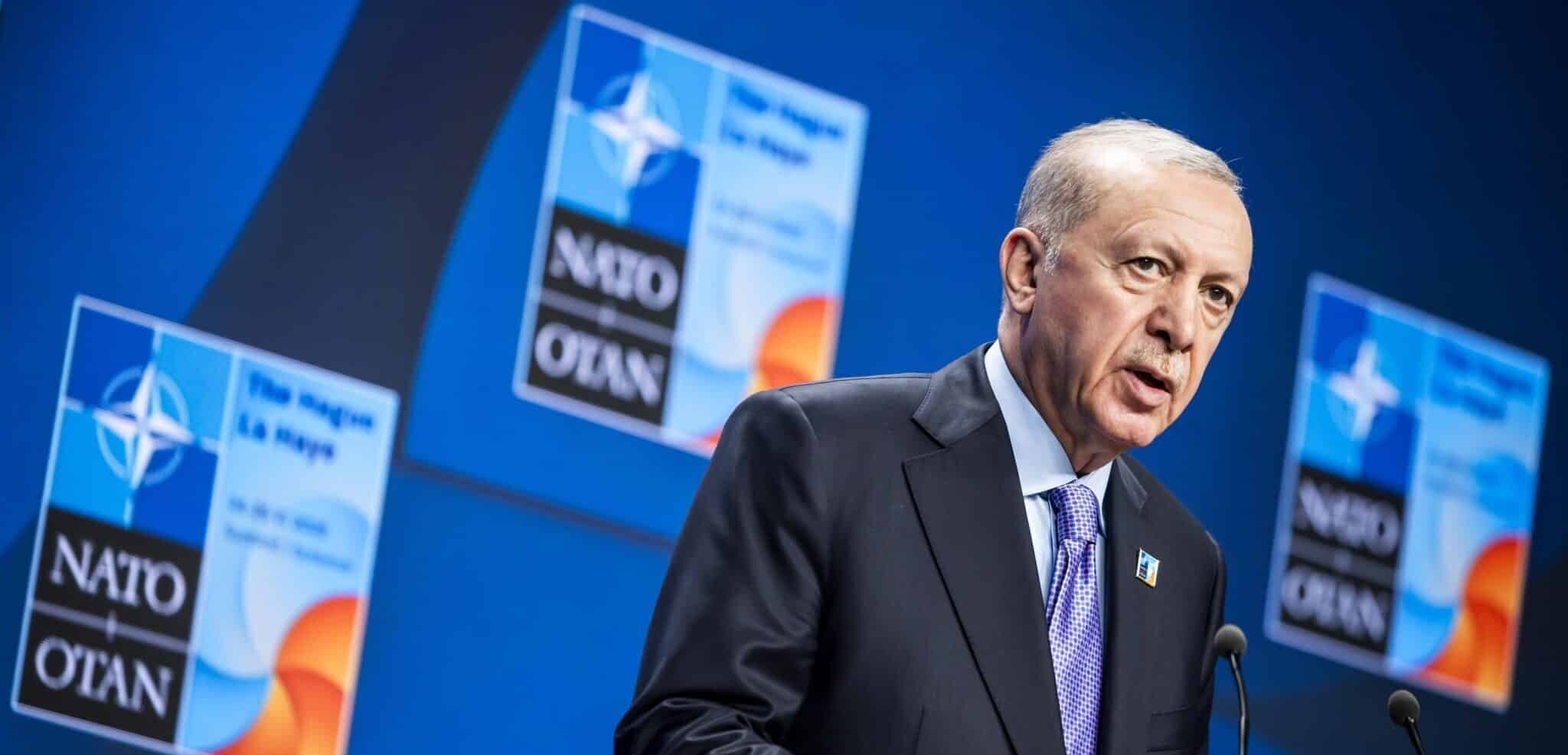
“The fact that the NATO summit is being held in Turkey once again demonstrates Turkey’s strategic importance,” Turkey’s Foreign Minister, Hakan Fidan, declared last week.
As NATO leaders prepare to gather on July 7-8 in the capital, Ankara, for one of the alliance’s most consequential summits in years, the government of President Recep Tayyip Erdogan is presenting Turkey not merely as a host nation but as an indispensable geopolitical power positioned at the centre of Europe’s security architecture.
The summit comes as NATO faces pressure to adapt to a changing security environment marked by Russia’s continued war against Ukraine, instability across the Middle East and US President Donald Trump’s persistent calls for Europe to pay more for its own defence and support US military operations.
Against that backdrop, Ankara offers Erdogan an opportunity to showcase Turkey as a strategic partner that neither NATO nor Europe can afford to ignore.
Yet while Ankara seeks to project diplomatic influence abroad, the summit has also unfolded against a backdrop of sweeping security measures at home. Independent journalists have been denied accreditation, protests were banned across the capital for nearly two weeks, and authorities detained hundreds of people in operations launched before world leaders arrived.