




The boss of JP Morgan has refused to commit to the future of the bank’s planned £10bn tower in Canary Wharf as he warned Andy Burnham’s new government against penalising the banking sector with a raft of new taxes. Jamie Dimon, the chief executive of the US financial behemoth, said
 Maisie Grice



Tuesday 21 July 2026 12:01 am | Updated: Monday 20 July 2026 6:14 pm
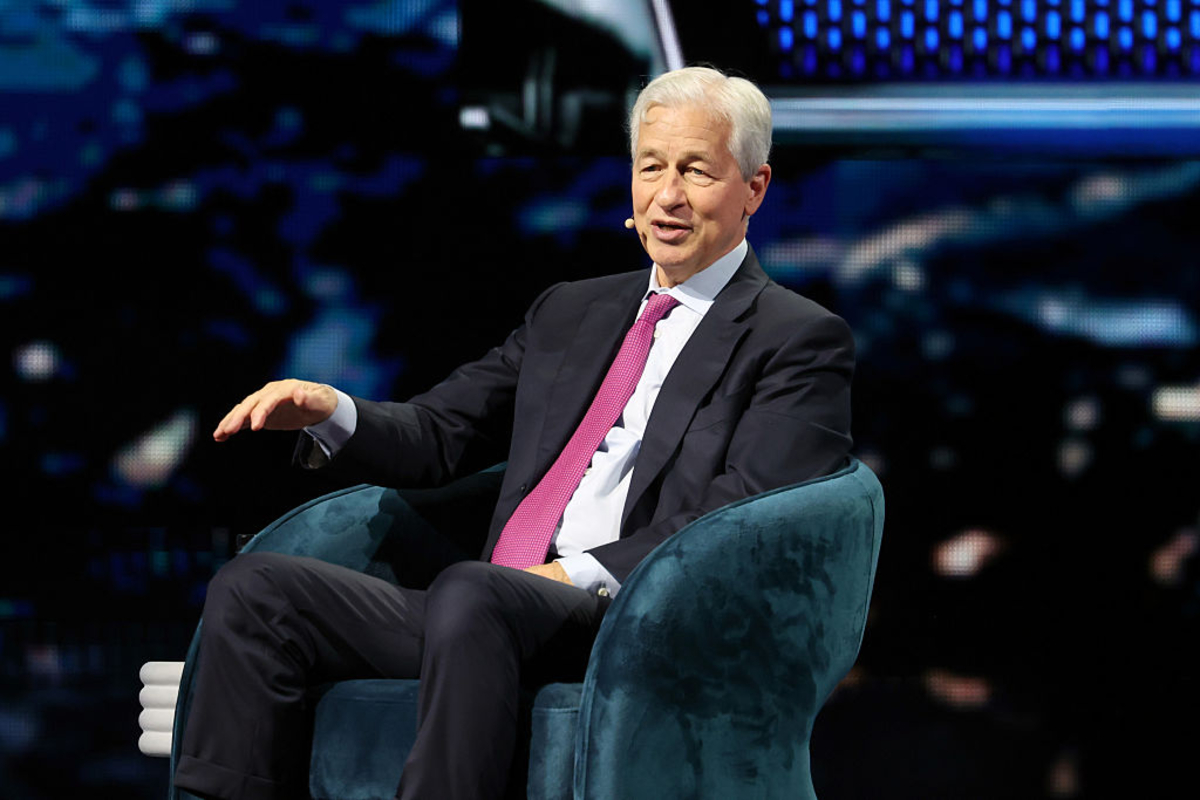
The boss of JP Morgan has refused to commit to the future of the bank’s planned £10bn tower in Canary Wharf as he warned Andy Burnham’s new government against penalising the banking sector with a raft of new taxes.
Jamie Dimon, the chief executive of the US financial behemoth, said he hoped that London would be the bank’s European home for a “long period of time” and he was “praying that [Burnham’s government] get policy right”.
“I would be very cautious if I was a government thinking that penalising any company out of the ordinary is a good thing for that country,” Dimon said.
“And what they should have in my view is a competitive tax system that’s consistent and conducive to capital formation that’ll drive a country, drive the growth of a country. That is what they should do. If you have an uncompetitive tax system, capital leaves your country.”
Dimon added that “government after government get [policy] wrong”.
#mc_embed_signup { background: #fff; clear: left; font: 14px Helvetica, Arial,sans-serif; width: 100%; max-width: 600px; margin: 20px 0; } #mc-embedded-subscribe-form { margin: 20px 0 !important; } .newsletter-form-flex { display: flex; gap: 0; align-items: center; margin-top: -10px; } .newsletter-form-flex input[type=”email”] { flex: 1; padding: 2px 10px; border: 1px solid rgb(18, 22, 23) !important; border-radius: 12px 0 0 12px !important; } .newsletter-form-flex input[type=”submit”] { padding: 4px 10px !important; margin: 0 !important; background-color: rgb(18, 22, 23) !important; color: rgb(255, 255, 255) !important; border: 1px solid rgb(18, 22, 23) !important; border-radius: 0 12px 12px 0 !important; } .newsletter-banner-content { margin-bottom: 15px; } .newsletter-banner-content h2 { margin: 0 0 10px 0; font-size: 18px; font-weight: 600; } .newsletter-banner-content p { margin: 0 0 10px 0; line-height: 1.5; } .newsletter-banner-content ul, .newsletter-banner-content ol { margin: 0 0 10px 20px; } .newsletter-banner-content a { color: #0073aa; text-decoration: none; } .newsletter-banner-content a:hover { text-decoration: underline; } .newsletter-banner-content img { max-width: 100%; height: auto; margin: 10px 0; } #mc_embed_signup #mce-success-response { color: #0356a5; display: none; margin: 0 0 10px; width: 100%; } #mc_embed_signup div#mce-responses { float: left; top: -1.4em; padding: 0; overflow: hidden; width: 100%; margin: 0; clear: both; }
His warning comes as Burnham faces a crunch decision over whether to uphold a major tax break for bank’s planned flagship London tower or bow to opposition.
Speaking on the Master Investor podcast with Wilfred Frost, the banking veteran said he would not commit to a “binary decision” on the future of the project or say whether JP Morgan would press ahead if the levy on banks was increased.
Read more Burnham set for crunch decision on JP Morgan’s £10bn tower Approving the tower
Tower Hamlets council, which covers Canary Wharf, the Greater London Authority and the government agreed to a Memorandum of Understanding (MoU) with the bank in March which signalled the project would be exempt from business rates.
But reports from City AM revealed the non-legally binding document was only signed last month, leaving Burnham’s government with the decision to progress the deal to a legally binding one.
The decision will pose an early test for the new Chancellor, after Rachel Reeves was ousted from Cabinet on Monday, and will provide a signal to businesses over the government’s willingness to encourage international investment.
The incoming chancellor will also face increasing pressure from institutions over the UK Bank Levy. Reeves and the Treasury shielded the sector from rises in the previous Autumn Budget, but banks are bracing for a rise under Burnham.
Banks currently pay a corporation tax rate of 28 per cent, which includes a three per cent surcharge on top of the standard corporation tax rate of 25 per cent, with the levy first introduced post financial crisis.
“I always thought it was wrong. JP Morgan did not damage the UK…I just thought it was a lack of principle to punish a company that had nothing to do with the crisis,” Dimon said.
Dimon said he “thought Rachel [Reeves] did a great job” but the next Chancellor would need “good policies that actually cause growth”. He added that he wanted Burnham “to succeed” in government and wants the “UK to thrive”.
Read more JP Morgan’s Jamie Dimon under fire over whether he lobbied Treasury on Epstein advice
Similarly tagged content: Sections Categories People & Organisations Related Topics