Elsewhere, Slovakia’s referendum fails over low turnout, Hungary heads for a presidential showdown, and Czechia’s double delegation to the NATO summit sparks controversy.
 Ada Petriczko



A scandal involving a young doctor linked to the ruling Civic Coalition (KO) has dominated Polish politics for weeks, prompting dismissals, criminal investigations and a wider reckoning over the management of the country’s public healthcare system.
Investigations by Polish media found that Dawid Kacprzyk, a 28-year-old junior doctor and Civic Coalition district councillor, earned around 1.6 million zlotys (€375,000) in 2025 coordinating the emergency department at the capital’s Southern Hospital despite lacking a specialist qualification.
Hospital records showed Kacprzyk billed nearly 4,000 hours there in a single year – an average of more than 75 a week – while simultaneously working at other hospitals and remaining active as a local politician, raising questions about whether such workloads could have been properly supervised.
The allegations also include claims that politicians linked to the ruling party received preferential treatment through a separate VIP waiting room.
The affair has led to the dismissal of the hospital’s management, the resignation of two Warsaw deputy mayors and a criminal investigation. Whether it will have lasting consequences for the 2027 parliamentary election is unclear, but it has compounded the government’s difficult political position.
According to a poll published this week, 36 per cent of respondents said the scandal had worsened their opinion of the government. A separate poll found that nearly a quarter of Poles believe Donald Tusk’s government should resign over the affair. Beyond the immediate political fallout, the case has fuelled a broader debate about doctors’ pay and oversight of public hospitals after reports emerged of similarly lucrative contracts elsewhere in the healthcare system.
Responding to the controversy, Health Minister Jolanta Sobieranska-Grenda announced plans this week to cap hourly rates paid by publicly funded hospitals, introduce limits on medical salaries, tighten oversight of physicians working simultaneously at multiple hospitals and require greater transparency in contracting and waiting lists. PM Tusk said the government’s priority was to eliminate “pathologies and abuses” that had been enabled by systemic flaws, adding that such practices “are incompatible with the law and must disappear”.
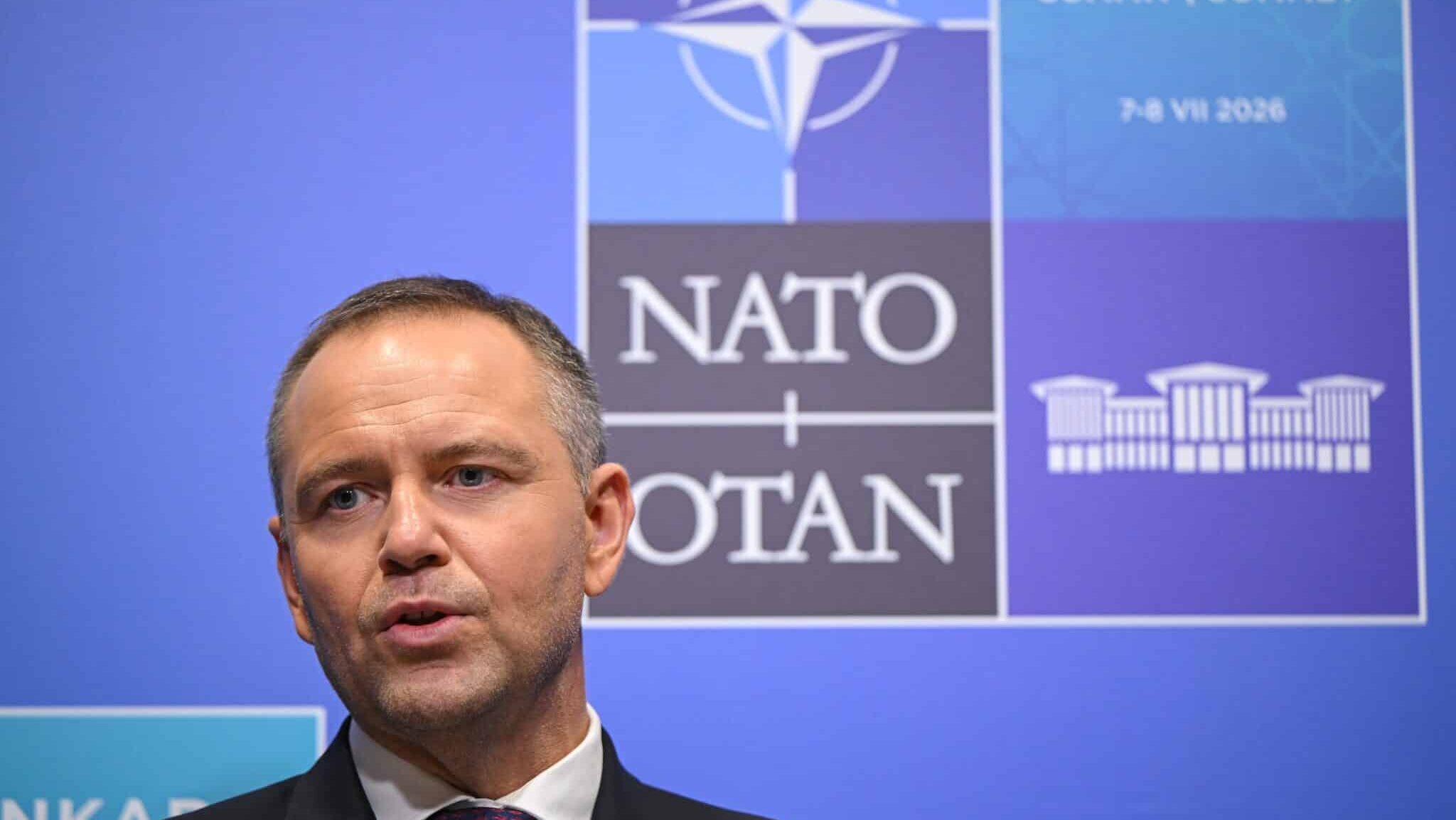
On the sidelines of the NATO summit in Ankara, President Karol Nawrocki met Ukrainian President Volodymyr Zelensky for the first time since their recent row over historical memory plunged relations into a crisis. Nawrocki said the meeting confirmed that Poland and Ukraine shared the same assessment of Russia as their main security threat. He acknowledged, however, that longstanding disagreements over the legacy of the Ukrainian Insurgent Army (UPA) remained unresolved.
Revered by many Ukrainians as a symbol of the struggle for independence, the UPA also massacred tens of thousands of Polish civilians in World War II, making the issue “non-negotiable” for Poland, Nawrocki said. Despite those differences, both sides agreed to continue dialogue. Foreign Minister Radoslaw Sikorski described the summit’s outcome as “above expectations”, saying Poland’s delegation had “spoken with one voice” in spite of recent tensions between the President and government.
Defence Minister Władysław Kosiniak-Kamysz said Poland had secured all of its key objectives, including support for extending NATO fuel pipeline infrastructure towards Eastern Europe and the Baltic states. He also pointed to recent US defence investments in Europe and Poland, including an agreement to produce Barracuda-500M missiles and a deal to service Patriot interceptor missiles in Europe, as evidence of strengthening transatlantic defence ties.
The summit came at a tense moment for Poland, amid intelligence from several agencies suggesting that Russia may be preparing provocations on Polish territory in the coming months.