The construction industry shed jobs for the 18th consecutive month in June following “sharp declines” in house building and a slowdown in new home sales. The latest S&P Global Purchasing Manager’s Index (PMI) for the construction sector showed more cutbacks to employment with another period of “sustained job shedding”. Subcontractors
 Samuel Norman



Monday 06 July 2026 10:14 am | Updated: Monday 06 July 2026 10:34 am
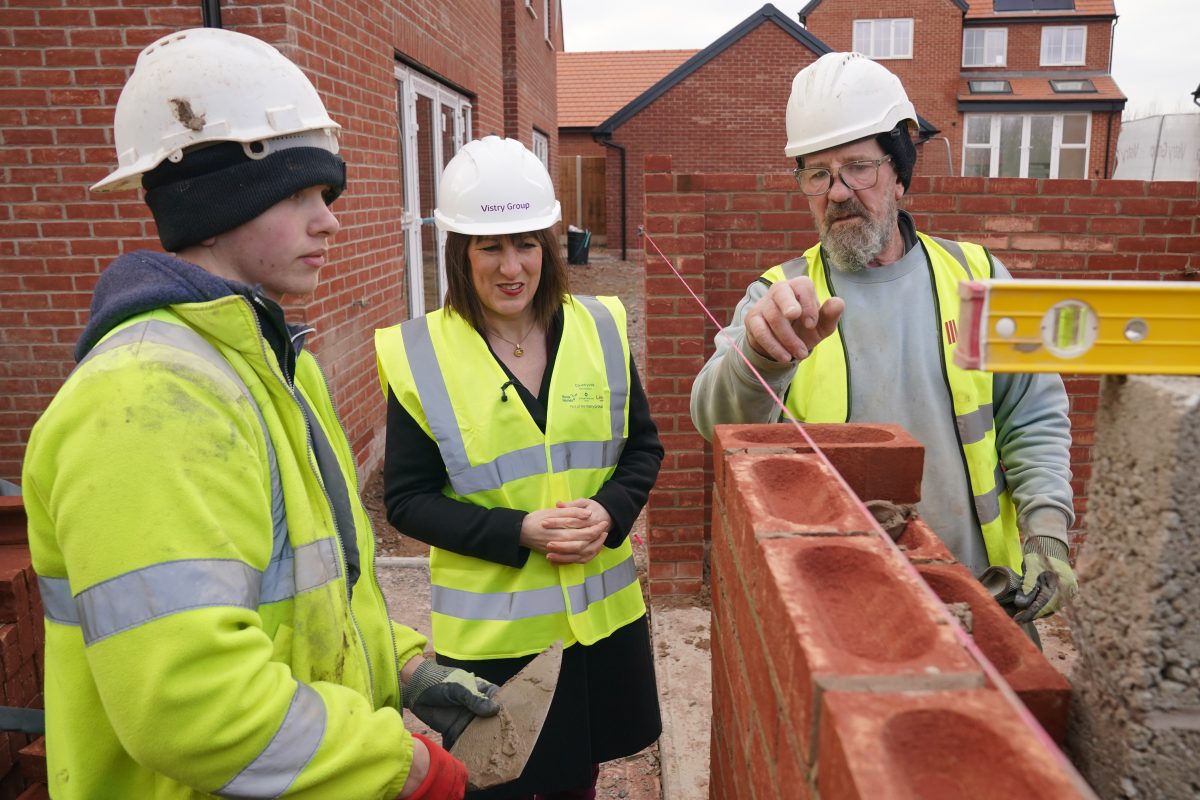
The construction industry shed jobs for the 18th consecutive month in June following “sharp declines” in house building and a slowdown in new home sales.
The latest S&P Global Purchasing Manager’s Index (PMI) for the construction sector showed more cutbacks to employment with another period of “sustained job shedding”.
Subcontractors were also hit by the slowing jobs market, with the fastest increase in availability of independent contractors since April 2025.
“Construction companies commented on headwinds from subdued housing sales, elevated interest rates and squeezed consumer finances, alongside cutbacks to business investment plans,” Tim Moore, economics director at S&P Global Market Intelligence said.
The PMI showed a reading of 38.4 for June, just above the six-year low of 38.2 in May. It also remained well below the 50.0 neutrality point that indicates whether a sector is growing.
#mc_embed_signup { background: #fff; clear: left; font: 14px Helvetica, Arial,sans-serif; width: 100%; max-width: 600px; margin: 20px 0; } #mc-embedded-subscribe-form { margin: 20px 0 !important; } .newsletter-form-flex { display: flex; gap: 0; align-items: center; margin-top: -10px; } .newsletter-form-flex input[type=”email”] { flex: 1; padding: 2px 10px; border: 1px solid rgb(18, 22, 23) !important; border-radius: 12px 0 0 12px !important; } .newsletter-form-flex input[type=”submit”] { padding: 4px 10px !important; margin: 0 !important; background-color: rgb(18, 22, 23) !important; color: rgb(255, 255, 255) !important; border: 1px solid rgb(18, 22, 23) !important; border-radius: 0 12px 12px 0 !important; } .newsletter-banner-content { margin-bottom: 15px; } .newsletter-banner-content h2 { margin: 0 0 10px 0; font-size: 18px; font-weight: 600; } .newsletter-banner-content p { margin: 0 0 10px 0; line-height: 1.5; } .newsletter-banner-content ul, .newsletter-banner-content ol { margin: 0 0 10px 20px; } .newsletter-banner-content a { color: #0073aa; text-decoration: none; } .newsletter-banner-content a:hover { text-decoration: underline; } .newsletter-banner-content img { max-width: 100%; height: auto; margin: 10px 0; } #mc_embed_signup #mce-success-response { color: #0356a5; display: none; margin: 0 0 10px; width: 100%; } #mc_embed_signup div#mce-responses { float: left; top: -1.4em; padding: 0; overflow: hidden; width: 100%; margin: 0; clear: both; }
Moore said the industry’s downturn “lost some intensity” with softer reductions in commercial building work, but added it was still stung by civil engineering registering its weakest performance since the start of the pandemic.
House building hit despite Labour hopes
House building activity decreased at the sharpest pace in 2026, with an individual reading of 35.6.
“Anecdotal evidence cited factors such as fewer new build house sales, weak business investment spending, and intense competition for new orders,” the report said.
Read more ‘Dire’: Rapid decline in construction as sector slashes jobs
It also pointed to an elevated level of business uncertainty and “delayed project starts”.
The downturn comes as Prime Minister-in-waiting Andy Burnham hopes to unleash the “biggest council house building program since the post-war period,” which he claims will result in “higher density residential development” in towns.
When Labour came to power in 2024, the government pledged to build 1.5m homes in England by the end of the decade.
But this pledge has come under fire from the industry and opposition parties. The Home Builders Federation wrote to the Budget watchdog last year to warn the target would be missed.
Leading house builders warned unless the government does something to boost affordability and cut taxes, it would remain “extremely ambitious”.
Policies such as the “landfill tax” – which aims to reduce the amount of waste sent to landfills – and the new building safety levy were cited as key drivers in adding costs.
The PMI also noted higher borrowing costs and elevated interest rates had led to a decline in housing market activity and the initiation of new projects.
Read more British American Tobacco rolls out plan for thousands of job cuts in AI streamlining
Similarly tagged content: Sections Categories People & Organisations