Ministers’ decision to delay the City Plan over proposed skyscrapers near Tower Bridge is a blow to growth, says Chris Hayward Britain says it wants growth. Yet one of the country’s most important local plans has been sent back for further examination after already undergoing years of consultation, scrutiny and independent review. This
 Chris Hayward



Monday 13 July 2026 5:54 am | Updated: Thursday 09 July 2026 11:14 am
Ministers’ decision to delay the City Plan over proposed skyscrapers near Tower Bridge is a blow to growth, says Chris Hayward
Britain says it wants growth. Yet one of the country’s most important local plans has been sent back for further examination after already undergoing years of consultation, scrutiny and independent review.
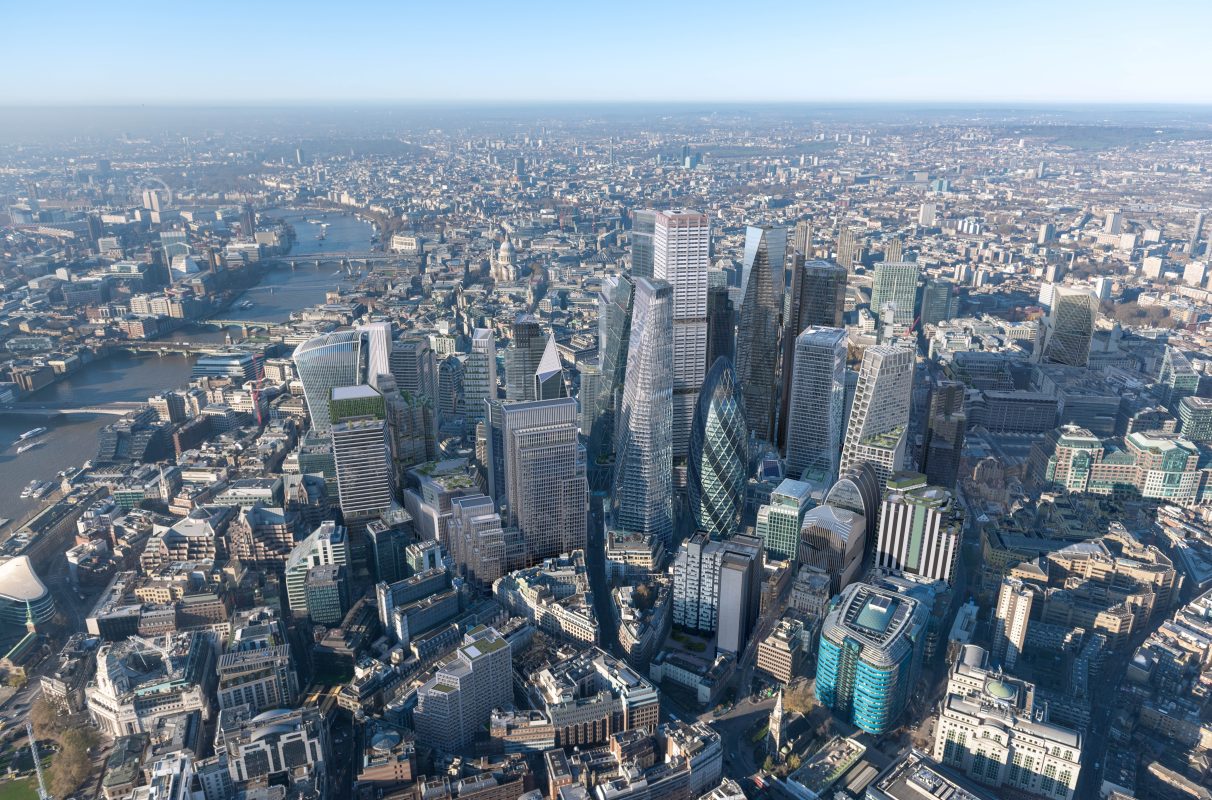
This delay, issued via a ministerial direction, now requires further hearings on part of the City Plan 2040, the blueprint for the future development of the Square Mile. The decision relates to tall buildings in the City Cluster and their relationship to views of the Tower of London World Heritage Site.
We are deeply disappointed this issue is being revisited, as it was examined extensively during the independent examination of the City Plan more than a year ago. The City Corporation and a range of stakeholders, including heritage organisations, were able to present evidence and arguments in full. Those arguments were then tested through weeks of public hearings before independent inspectors.
We are deeply disappointed this issue is being revisited, as it was examined extensively during the independent examination of the City Plan more than a year ago
#mc_embed_signup { background: #fff; clear: left; font: 14px Helvetica, Arial,sans-serif; width: 100%; max-width: 600px; margin: 20px 0; } #mc-embedded-subscribe-form { margin: 20px 0 !important; } .newsletter-form-flex { display: flex; gap: 0; align-items: center; margin-top: -10px; } .newsletter-form-flex input[type=”email”] { flex: 1; padding: 2px 10px; border: 1px solid rgb(18, 22, 23) !important; border-radius: 12px 0 0 12px !important; } .newsletter-form-flex input[type=”submit”] { padding: 4px 10px !important; margin: 0 !important; background-color: rgb(18, 22, 23) !important; color: rgb(255, 255, 255) !important; border: 1px solid rgb(18, 22, 23) !important; border-radius: 0 12px 12px 0 !important; } .newsletter-banner-content { margin-bottom: 15px; } .newsletter-banner-content h2 { margin: 0 0 10px 0; font-size: 18px; font-weight: 600; } .newsletter-banner-content p { margin: 0 0 10px 0; line-height: 1.5; } .newsletter-banner-content ul, .newsletter-banner-content ol { margin: 0 0 10px 20px; } .newsletter-banner-content a { color: #0073aa; text-decoration: none; } .newsletter-banner-content a:hover { text-decoration: underline; } .newsletter-banner-content img { max-width: 100%; height: auto; margin: 10px 0; } #mc_embed_signup #mce-success-response { color: #0356a5; display: none; margin: 0 0 10px; width: 100%; } #mc_embed_signup div#mce-responses { float: left; top: -1.4em; padding: 0; overflow: hidden; width: 100%; margin: 0; clear: both; }
I recently wrote that the City is ready to help the next Prime Minister (almost certain to be Andy Burnham) deliver economic growth, and enabling us to create the conditions for investment in development will do just that. But delaying a plan that has already undergone years of scrutiny risks sending the opposite message.
Many in the business community were surprised when the Direction was issued. Introducing uncertainty into processes designed to provide long-term confidence and certainty to developers, investors and major occupiers, will hinder efforts to generate the growth we need.
Demand for high-quality office space remains strong. Businesses increasingly need sustainable, flexible buildings that help them attract talent and compete internationally, and if London is to remain globally competitive, planning policy must reflect that reality.
If uncertainty around the future of the City Cluster affects the viability of major schemes, more than 100,000 square metres of potential commercial floorspace could be placed at risk. That space could support over 7,000 jobs, generate around £1.2bn in annual economic output and unlock approximately £1.7 billion of investment.
Heritage and growth go hand-in-hand
The benefits would not be confined to the Square Mile. The success of the City supports jobs, tax revenues and economic activity across the United Kingdom. Financial and professional services are embedded in every region and nation, and the growth generated here helps support prosperity far beyond London.
Read more ‘Anti-growth’: Labour blocks City of London skyscraper plans
None of this should be mistaken for an argument against heritage protection, though. We have consistently argued that economic growth and heritage conservation must go hand in hand.
The City Plan was developed with that balance at its core. Heritage assessments informed its preparation, alongside extensive engagement with heritage bodies, developers, landowners and other stakeholders. The objective has always been to protect what makes London special while ensuring the capital can continue to grow.
There is also a wider national question worth considering. Across the political spectrum, including among advocates of greater devolution (such as Andy Burnham), there is growing recognition that sustainable economic growth depends on trusting places to develop, with locally-led, evidence-based plans that provide certainty for investors, businesses and communities.
The City Plan is precisely the sort of locally developed strategy that this thinking embodies, shaped through consultation and tested through independent examination.
If plans that have completed those processes cannot command confidence, investors will notice, and this issue has already spread beyond the Square Mile. A similar intervention has already led to the postponement of examination hearings for Tower Hamlets’ Local Plan, illustrating how uncertainty in one part of the planning system can have wider consequences for London’s ability to plan for growth.
Ideally, the ministerial direction will be withdrawn, but if further scrutiny really remains necessary, I want to urge all parties that any additional examination is tightly focused and concluded as quickly as possible.
The sooner this issue is resolved, the sooner we can focus on what really matters, delivering growth, investment and jobs for London and the wider UK economy.
Chris Hayward is the policy chair at the City of London Corporation
Read more London is Open for Business – But Only If We Get Planning Right
Similarly tagged content: Sections Categories People & Organisations