Economic policy is so fraught that Burnham must choose from various paths. Retaining Reeves means warmed-over Starmerism; Miliband would be a sign that the Labour Party is tacking left; and choosing Streeting would be an advertisement that the Blairites were getting the band back together. What signal will the next
 Eliot Wilson



Monday 29 June 2026 10:01 am | Updated: Monday 29 June 2026 10:05 am
Economic policy is so fraught that Burnham must choose from various paths. Retaining Reeves means warmed-over Starmerism; Miliband would be a sign that the Labour Party is tacking left; and choosing Streeting would be an advertisement that the Blairites were getting the band back together. What signal will the next Prime Minister seek to send? Asks Eliot Wilson
Westminster watchers love speculation about ministerial reshuffles and changes of government. It is the political equivalent of fantasy football, or perhaps ‘casturbation’, assigning roles to your favourite actors in an imaginary film. Currently the circumstances for this are ideal: it is overwhelmingly likely that Andy Burnham will be the next Prime Minister, but he cannot formally take office until 17 July or so. That leaves nearly a month of glorious, brow-furrowing speculation.
Speculation is not always idle. It has already been confirmed that Burnham will bring in as Downing Street Chief of Staff his old friend and fellow former Cabinet minister James Purnell, a bone-deep Blairite who was Work and Pensions Secretary until 2009 but walked away from the front line in protest at Gordon Brown’s leadership.
There is huge interest in who will serve as Chancellor of the Exchequer in the nouveau régime. Running HM Treasury is a critical post in any administration – to an excessive degree, I would argue – and in the nuanced circumstances of an ousted Prime Minister giving way to a challenger from the same party, the identity of the Chancellor will be an important indicator of what a Burnham government will look and sound like, and the direction in which it wants to go.
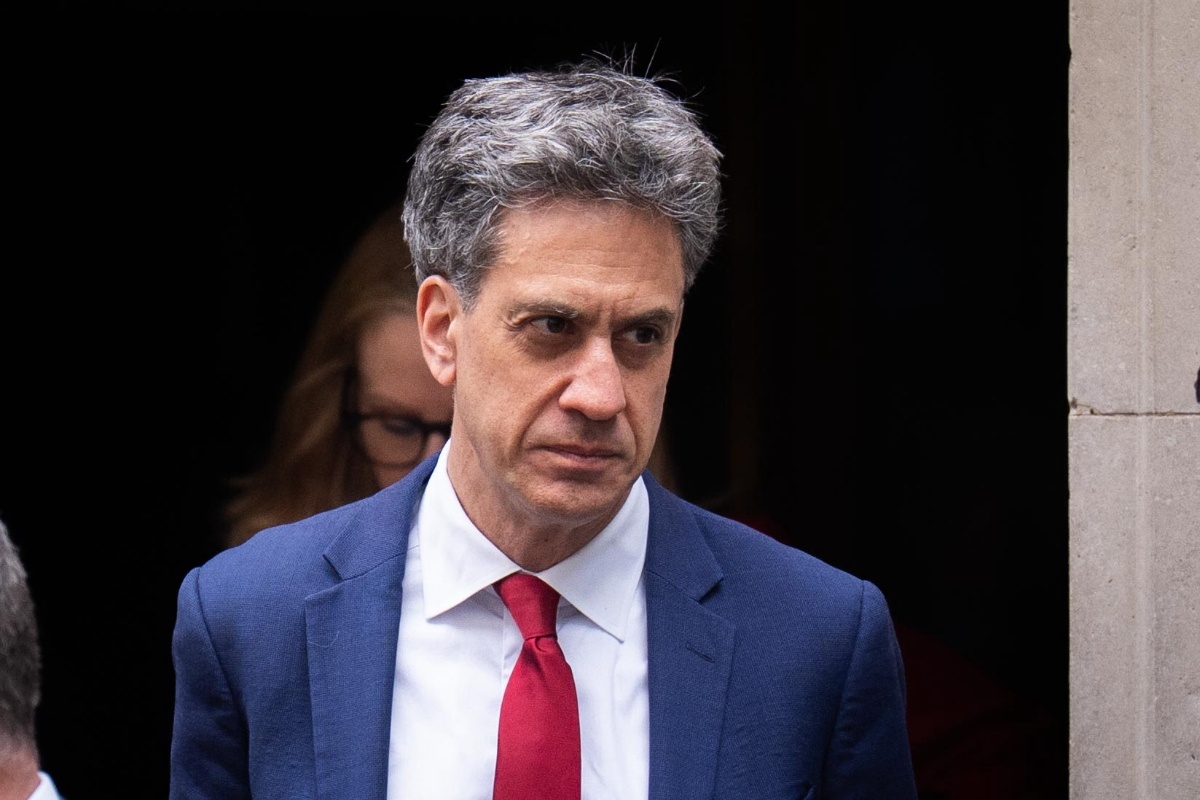
The favourite seems to be former party leader and current energy security and net zero secretary Ed Miliband. He was a special adviser to Gordon Brown at the Treasury then succeeded Ed Balls as chairman of the Council of Economic Advisers at just 34, and has long experience of how Whitehall works.
#mc_embed_signup { background: #fff; clear: left; font: 14px Helvetica, Arial,sans-serif; width: 100%; max-width: 600px; margin: 20px 0; } #mc-embedded-subscribe-form { margin: 20px 0 !important; } .newsletter-form-flex { display: flex; gap: 0; align-items: center; margin-top: -10px; } .newsletter-form-flex input[type=”email”] { flex: 1; padding: 2px 10px; border: 1px solid rgb(18, 22, 23) !important; border-radius: 12px 0 0 12px !important; } .newsletter-form-flex input[type=”submit”] { padding: 4px 10px !important; margin: 0 !important; background-color: rgb(18, 22, 23) !important; color: rgb(255, 255, 255) !important; border: 1px solid rgb(18, 22, 23) !important; border-radius: 0 12px 12px 0 !important; } .newsletter-banner-content { margin-bottom: 15px; } .newsletter-banner-content h2 { margin: 0 0 10px 0; font-size: 18px; font-weight: 600; } .newsletter-banner-content p { margin: 0 0 10px 0; line-height: 1.5; } .newsletter-banner-content ul, .newsletter-banner-content ol { margin: 0 0 10px 20px; } .newsletter-banner-content a { color: #0073aa; text-decoration: none; } .newsletter-banner-content a:hover { text-decoration: underline; } .newsletter-banner-content img { max-width: 100%; height: auto; margin: 10px 0; } #mc_embed_signup #mce-success-response { color: #0356a5; display: none; margin: 0 0 10px; width: 100%; } #mc_embed_signup div#mce-responses { float: left; top: -1.4em; padding: 0; overflow: hidden; width: 100%; margin: 0; clear: both; }
He is also regarded as an effective departmental head in his current post, but his unswerving dedication to net-zero emissions targets has been controversial and made him a pantomime villain for some on the right. Now, in an ironic inversion of the 2010 Labour leadership election, when trades union support won him the crown just 1.4 per cent ahead of his brother David, two of the three largest unions, Unite the Union and the GMB, have openly called for Burnham to choose someone else as Chancellor on the grounds that Miliband’s approach to North Sea oil and gas had cost jobs.
The current Chancellor, Rachel Reeves, is staging a fierce rearguard action to retain her post. She has now publicly endorsed Burnham and defended her own economic approach, especially adherence to the fiscal rules of balancing spending with revenue over five years and borrowing only for investment. Her allies have argued her removal would unsettle the bond markets (to whom Burnham rejects being “in hock”)
Read more Burnham warns Labour of ‘final chance’ after Makerfield win
Retaining Reeves would be disastrous. Never mind that in less than two years in office she has incinerated her political and personal credibility, going from a safe pair of hands to a reputation for slipperiness with the truth which would make Baron Münchhausen look like a reliable witness. To keep Reeves at the Treasury would declare that there will be no major policy changes
But retaining Reeves would be disastrous. Never mind that in less than two years in office she has incinerated her political and personal credibility, going from a safe pair of hands to a reputation for slipperiness with the truth which would make Baron Münchhausen look like a reliable witness. To keep Reeves at the Treasury would declare that there will be no major policy changes, because how could there be when the Chancellor has already publicly declared her position on issues like defence spending, taxation and entrepreneurs?
As a deeply inadequate finance minister she has overseen small and fragile economic growth, stubborn inflation and a bloated, seemingly invulnerable debt burden. Her flailing attempt to define “working people” in her 2024 Budget exposed the casuistry on which Labour’s economic policy relies. If Burnham does not have the courage to remove her, or does not see the need, it will expose his limitations from the beginning.
Desperate wish fulfilment
Among other candidates, it is not easy to see who might be plausible and which names are proposed out of desperation and wish fulfilment. Wes Streeting, the former Health Secretary who has set aside leadership ambitions to row in behind Burnham, was briefly a shadow Treasury minister but lacks weight and is deeply distrusted by many on the left. Shabana Mahmood spent two years in Labour’s front bench team, and is believed to be a determined and effective politician; but it seems likely she will be granted her wish to stay at the Home Office and continue her immigration reforms.
Pat McFadden, Work and Pensions Secretary and before that Starmer’s Downing Street enforcer, is wily and experienced around the corridors of Whitehall but has the media manner of an automaton and, like Reeves, is too redolent of the Starmer régime. Foreign Secretary Yvette Cooper has the academic credentials and ministerial experience to be Chancellor but is an increasingly peripheral figure; John Healey is solid and diligent but, having resigned as Defence Secretary over the financial shortfall in the draft Defence Investment Plan, could hardly return without the armed forces receiving a much better settlement, of which the chances seem low.
Other names have been bandied about. Darren Jones, Chief Secretary to the Prime Minister, is able but not to the degree he thinks, and seems to generate antipathy in many quarters. Jonathan Reynolds was out of his depth as Business and Trade Secretary and is reported to hate his new job as Chief Whip; he is an answer to a question no-one has asked.
With a parliamentary party of 403, Andy Burnham should not be struggling to find candidates even for the challenging role of Chancellor. But economic policy is so fraught that he must choose from various paths. Retaining Reeves means warmed-over Starmerism; Miliband would be a sign that the Labour Party is tacking left; and choosing Streeting would be an advertisement that the Blairites were getting the band back together. What signal will Prime Minister Burnham seek to send?
Eliot Wilson is an author and historian
Read more Starmer: I would make Andy Burnham a Cabinet minister
Similarly tagged content: Sections Categories People & Organisations