Andy Burnham has called for the country to trust him with the public finances stable as he pledged to “take responsibility” for funding Keir Starmer’s controversial Defence Investment Plan. Burnham, who is all-but-certain to enter Number 10 in fewer than three weeks, hit out at “narratives” about him, in a
 Mauricio Alencar



Thursday 02 July 2026 7:43 pm
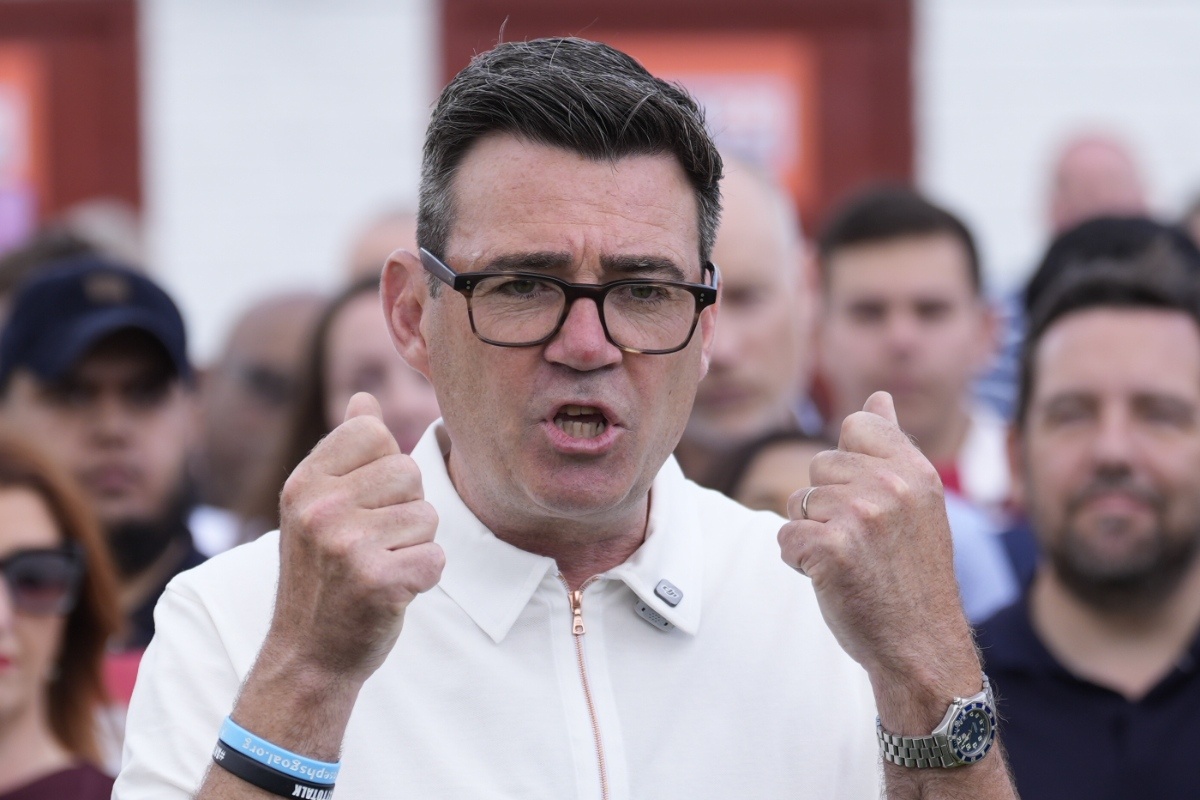
Andy Burnham has called for the country to trust him with the public finances stable as he pledged to “take responsibility” for funding Keir Starmer’s controversial Defence Investment Plan.
Burnham, who is all-but-certain to enter Number 10 in fewer than three weeks, hit out at “narratives” about him, in a radio interview with LBC which signalled how he would approach government and deal with conflicting factions of the Labour Party.
In the interview, Burnham said he was left unaware about gaps in funding in the Defence Investment Plan (Dip) despite having conversations with Sir Keir Starmer, but vowed to take responsibility for meeting the spending pledges. He also indicated he would not prioritise immediate welfare cuts in order to ease spending pressures.
His defiant message on public finances came minutes after he said he had “deliberately” avoided making a final decision on his Chancellor pick in order to give him time to “set out a new direction for the country”.
Burnham said: “Overall, people can be certain of one thing [about] me: I am not indisciplined when it comes to the public finances.
#mc_embed_signup { background: #fff; clear: left; font: 14px Helvetica, Arial,sans-serif; width: 100%; max-width: 600px; margin: 20px 0; } #mc-embedded-subscribe-form { margin: 20px 0 !important; } .newsletter-form-flex { display: flex; gap: 0; align-items: center; margin-top: -10px; } .newsletter-form-flex input[type=”email”] { flex: 1; padding: 2px 10px; border: 1px solid rgb(18, 22, 23) !important; border-radius: 12px 0 0 12px !important; } .newsletter-form-flex input[type=”submit”] { padding: 4px 10px !important; margin: 0 !important; background-color: rgb(18, 22, 23) !important; color: rgb(255, 255, 255) !important; border: 1px solid rgb(18, 22, 23) !important; border-radius: 0 12px 12px 0 !important; } .newsletter-banner-content { margin-bottom: 15px; } .newsletter-banner-content h2 { margin: 0 0 10px 0; font-size: 18px; font-weight: 600; } .newsletter-banner-content p { margin: 0 0 10px 0; line-height: 1.5; } .newsletter-banner-content ul, .newsletter-banner-content ol { margin: 0 0 10px 20px; } .newsletter-banner-content a { color: #0073aa; text-decoration: none; } .newsletter-banner-content a:hover { text-decoration: underline; } .newsletter-banner-content img { max-width: 100%; height: auto; margin: 10px 0; } #mc_embed_signup #mce-success-response { color: #0356a5; display: none; margin: 0 0 10px; width: 100%; } #mc_embed_signup div#mce-responses { float: left; top: -1.4em; padding: 0; overflow: hidden; width: 100%; margin: 0; clear: both; }
“I was in the Treasury, I ran the Department of Health. It was tight, but we had a very healthy set of finances.”
He added: “I actually get frustrated at some of the narratives that people try to put around about me. My record says otherwise.”
The comments seemed to be aimed at City economists and bond traders, who have repeatedly warned that his stated policies and approach to government could lead to further borrowing and lead to another spike in debt interest costs.
Yet Burnham backed his business credentials after serving as mayor over Manchester, the city which had a higher growth rate than most other cities in the country. Oxford Economics research cast doubt on whether growth effects had spilled over into other areas of Greater Manchester.
Burnham’s taxes
The new MP for Makerfield emphasised that he would preside over the end of “neoliberalism” and “deregulation”, instead giving local communities and councils “more control” over key industries such as water and energy.
Read more Thames Water, energy grid, rent prices: Burnham drums up public control agenda
When asked about taxation policy, he indicated that he would prioritise increasing business rates on warehouses in order to fund tax cuts for high street bars, restaurants, coffee shops and hairdressers.
However, Burnham backed Labour’s manifesto commitments to not hike income tax, VAT or national insurance.
More problematic questions over Burnham’s likely premiership emerged around welfare reform and defence spending.
While he re-iterated calls for Brits to be given further “breathing space” on utility bills, he appeared to suggest that welfare cuts would be off the table.
He suggested the case for policy reform should take place over a longer period of time, based around getting more young people to take on apprenticeships and providing better mental health services.
“I’m not going to go with the crude cuts to benefit levels that then just put people who are struggling in even worse poverty, and that often creates the backlash, and understandably so,” he said.
‘Wired for growth’
Burnham also promised to fund the Dip set out by the government despite questions over a gap worth up to £15bn given decisions needing to be made over potential cutbacks in infrastructure spending and taxes.
He suggested that Sir Keir Starmer did not inform him about the finer details around funding.
“I wasn’t in all of the discussions, but to be fair, you know, the government had had an internal process ongoing.”
Burnham is still likely to face further scrutiny over devolution plans and how to get the country “wired for growth”.
Read more UK government borrowing overshoots expectations on day Burnham elected
Similarly tagged content: Sections Categories People & Organisations