
Measure to cost more than £500m, with money allocated to allow devolved nations to do the sameSingle bus fares across England will be capped at £2 from January Andy Burnham has announced as he continues a cost of living blitz in his first week as prime minister.The nationwide cap is
 Alexandra Topping Political correspondent



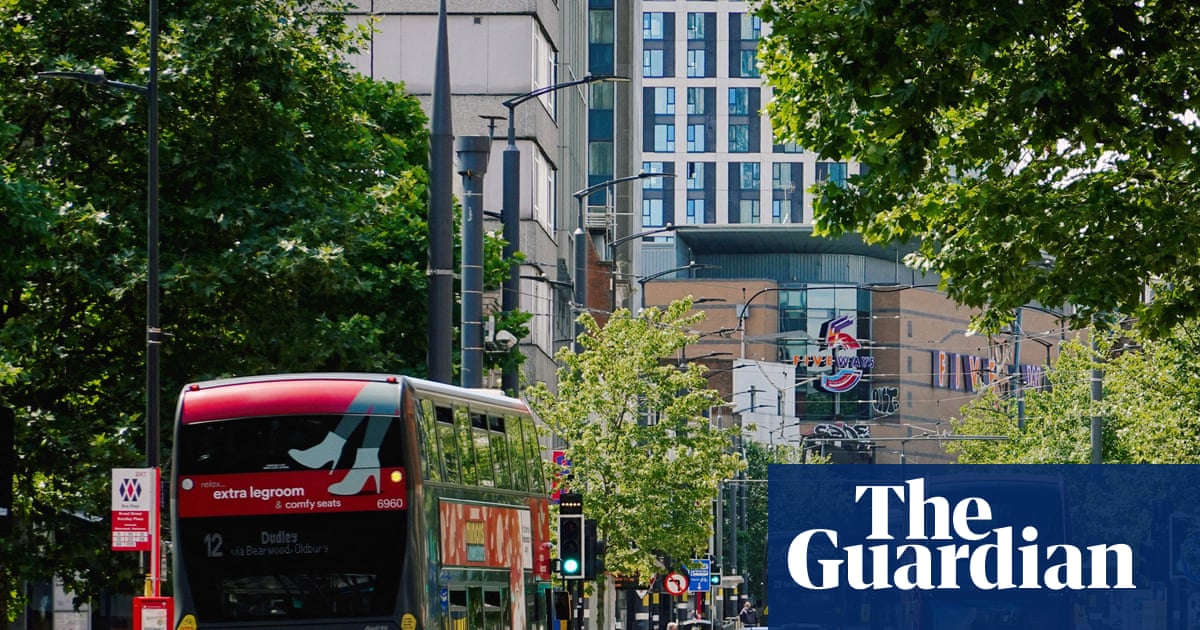
Single bus fares across England will be capped at £2 from January Andy Burnham has announced as he continues a cost of living blitz in his first week as prime minister.
The nationwide cap is currently set at £3 until the end of March 2027 although some areas – including London and Greater Manchester, where Burnham set a £2 limit as mayor – have lower top rates for single tickets.
The £2 cap reverses an increase put in place by Keir Starmer and Rachel Reeves in 2024, and will be in place throughout 2027. The same cap was in place between January 2023 and December 2024 but the former prime minister and chancellor argued it was not affordable. Some metro mayors, including Burnham, decided to fund an extension of the lower limit in their areas.
“Good, affordable transport links are an essential. No one should be priced out of those and left behind,” Burnham said on Wednesday. “But for too long people have said that cheaper transport isn’t an option. I don’t accept that. I’ve done it before and I will do it again now: a £2 cap on bus fares for millions across the country. Lower fares will help people get to where they need to – giving them breathing space to help with the cost of living.”
The bus fare cap scheme, which will apply across all of England except London, is expected to cost more than £500m, with money allocated to allow devolved governments to take similar action.
Around £400m of that will come from switching investment in international climate finance to loans, with the rest from savings in the budget of the Department for Energy Security and Net Zero and around £50m from Department for Transport funding already set aside for buses.
The transport secretary, Heidi Alexander, said the move was designed to make “everyday journeys” easier and cheaper. “We’re cutting fares by a third to help with the cost of living, open up opportunities and keep people connected to work, school, healthcare and their friends and family,” she said.
Burnham announced on Tuesday that the government would remove VAT from electricity bills, reducing them by an average of £45 a year from October as part of immediate measures to help ease cost of living pressures.
The Trades Union Congress general secretary, Paul Nowak, welcomed the measures but called for Burnham to tax profits made by banks and introduce a “social tariff” to boost living standards. “Along with the tax cut to energy bills, capping bus fares is a good start and means working people can get around for cheaper. That’s good for households, businesses and local economies,” he said.
On his third day in the job, Burnham was given a boost as figures showed the rate of consumer prices index inflation fell to 2.6% in June, from 2.8% in May, the Office for National Statistics said.
The chancellor, John Healey, said millions of people would benefit from bus fares being slashed by a third and insisted the measure could be paid for. “This action to ease the cost of living is funded by savings made elsewhere, so there’s no burden to British taxpayers, just pounds going back into their pockets,” he said.
The shadow chancellor, Mel Stride, accused Burnham of wanting “to go back to the 1970s” and said the newly appointed chancellor, John Healey, “has got a huge job ahead of him”.
“I fear that he is somewhat captive to a prime minister who seems to want to go back to the 1970s and huge spending and state intervention, higher taxes, higher borrowing, and all of that, which is what we’ve seen from Labour to date, but even more of it,” he told BBC Breakfast. “Also constrained by his backbenchers, who do not have any appetite, particularly for welfare reform, which I think is key to the success of our economy.”