
Prime Minister Rumen Radev says parliament will likely approve US military aircraft using Bezmer airfield in central Bulgaria for refuelling purposes – after previously criticising the presence of US planes at Sofia’s main airport.
 Svetoslav Todorov



Prime Minister Rumen Radev says parliament will likely approve US military aircraft using Bezmer airfield in central Bulgaria for refuelling purposes – after previously criticising the presence of US planes at Sofia’s main airport.
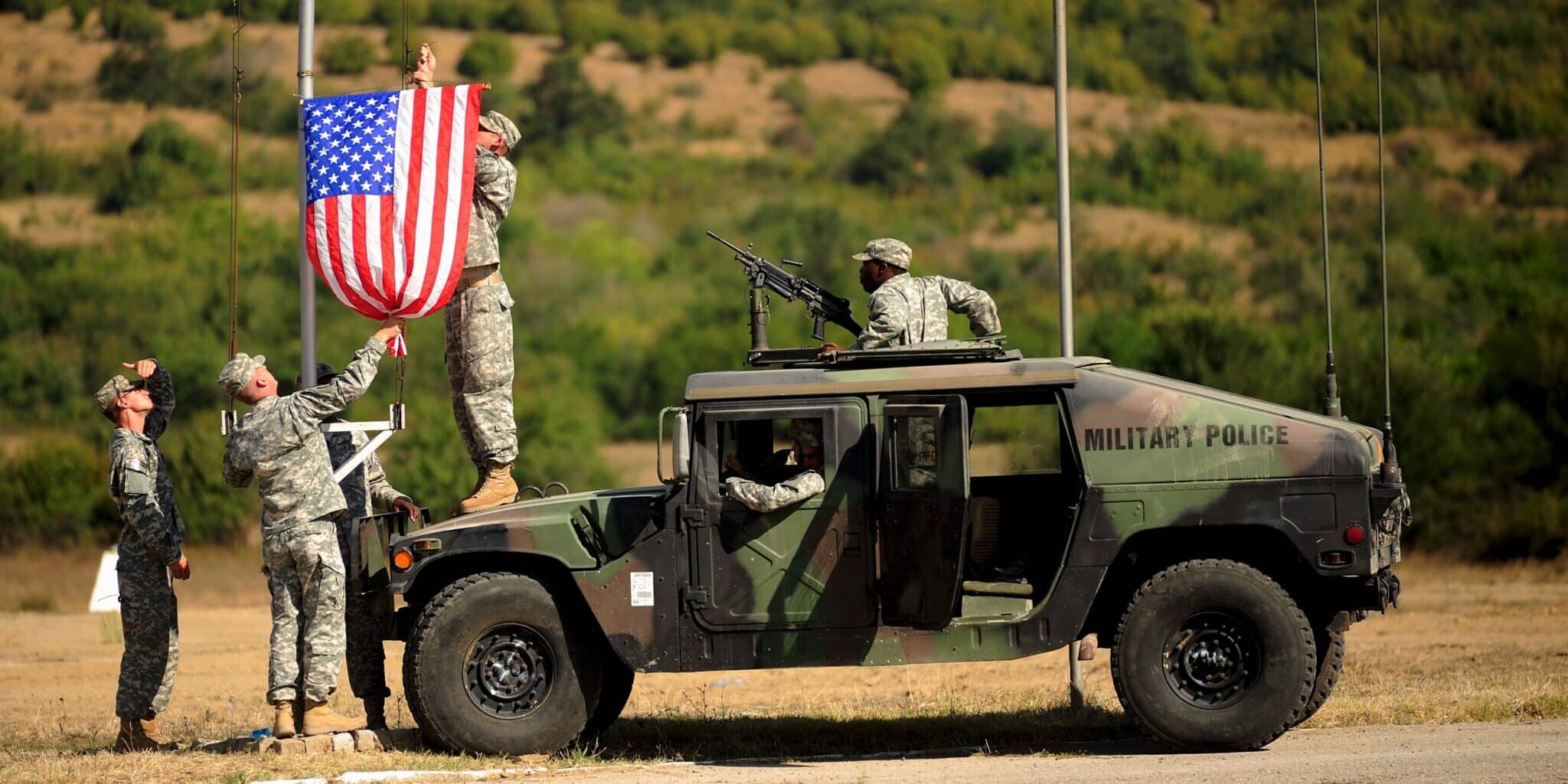
Bulgarian Prime Minister Rumen Radev stated on Monday that parliament will likely authorise the presence of US aircraft at the Bezmer military base near Sofia.
Approval is likely to allow US aircraft passing through Sofia to refuel in relation to US operations in the Middle East to use the base long-term. On Tuesday, parliament’s defence committee will meet to kickstart the approval process.
Previously, in May, Radev criticised the presence of US aircraft at Sofia’s main Vassil Levski airport.
Radev had tried to hatch a deal with US President Donald Trump and allow a US presence at Sofia airport in exchange for the US lifting visa requirements on Bulgarian citizens. He eventually said he had “not received a positive answer” from Trump.
The Bezmer base is located around 260 kilometres from Sofia near the town of Yambol and is currently used by the Bulgarian Air Force – with which, before entering politics, Radev was a Major General and Commander. Bezmer had been previously used by US military in line with the Defence Cooperation Agreement between Bulgaria and the US signed in 2006.
The latest move fits Radev’s recent political manoeuvering between Washington, Brussels and Moscow.
Back in January he quit as President to successfully enter the race for parliament and assumed office as Prime Minister with his Progressive Bulgaria party, following a landslide win.
The foreign policy of Radev and Progressive Bulgaria is widely seen as being at odds with EU partners, but has also been flexible in practice. His government opposed the recent package of fresh EU sanctions on Russia, for example, but eventually decided not to veto them.
Earlier this month, Radev declined French President Emmanuel Macron’s invitation to attend the summit of the “Coalition of the Willing” aiding the defence of Ukraine. Radev said he did not see Bulgaria attending a summit that “insists on continuing financial and military aid to Ukraine”; however, on July 15, Foreign Minister Velislava Petrova took part in the 5th Ukraine-Southeast Europe Summit in Kyiv.
In a separate development, the Radev government was recently criticised for moves to close the commission that identifies people’s ties to communist-era security services.