The EU Commission says that the EES will reduce the average time spent at passport control from 90 seconds to 20 seconds per person. Airlines have warned of five-hour queues at airports.
 Benjamin Fox



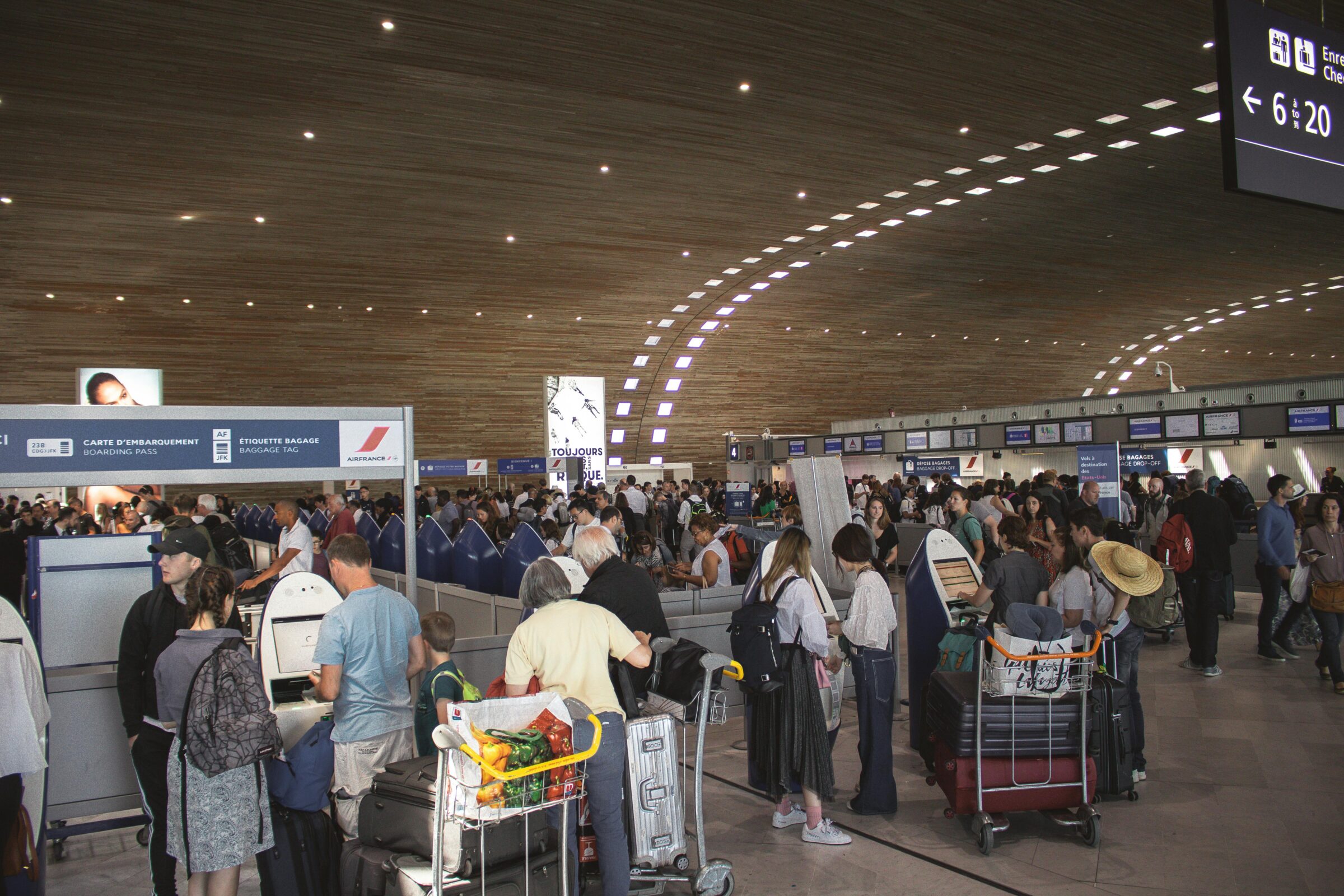
Holidaymakers can breathe a sigh of relief after the EU hit the pause button on its new Entry/Exit System (EES) that swaps passports with biometrics.
“When there are situations of exceptionally high pressure on a certain border crossing point, there is the possibility to suspend temporarily the registration of the biometrics,” EU commission spokesperson Markus Lammert told reporters on Monday (6 July).
Instead of manual passport stamps at immigration, travellers are now to be directed to an immigration booth or a kiosk at the border entry point, where their passport details and biometric data such as a facial image and fingerprints, will be recorded, though children under 12 will not have to provide fingerprints.
The commission says that the EES will reduce the average time spent at passport control from 90 seconds to 20 seconds per person.
The new system is supposed to make it easier to identify non-EU travellers who have entered the EU legally but then overstayed their short-stay visa or sought to work in the EU.
The EES applies to all countries outside the Schengen area but one of its main targets will be British tourists.
For Britons about to head for the Med at the start of the school holidays later this month, the EES was already being portrayed in the media looking for easy summer headlines as the latest punishment for Brexit, with gruesome warnings of five-hour queues and of planes taking off without most of their passengers.
Faced with the prospect of such lurid headlines, the commission made the smart choice by allowing national governments not to collect biometric data. They have also said that the bloc’s border agency Frontex will be on hand to support overstretched border points.
Repeated delays
Like the UK’s own border changes to introduce inspections on goods and produce arriving from the EU, the EES has been repeatedly delayed.
The system was originally supposed to go live in 2020, the same year that the UK formally left the EU. But EU home affairs ministers got cold feet and the new system only came into operation last October.
There have also been concerns about the EU’s mixed track record of setting up new IT systems.
In 2019, French IT firm Atos, along with partners IBM and Leonardo, won a €142m contract to build the data system for EES – just as its chief executive Thierry Breton was being appointed as the EU’s internal market commissioner – though the contract’s value has since swelled to €212m.
And last year the European Public Prosecutor’s Office launched an investigation after leaked documents indicated that Atos’s Moscow office had been responsible for purchasing the software.
The commission says that many of the delays would have been caused by pre-existing staffing shortages, infrastructure constraints, and limited space, rather than the EES itself.
That’s not how the aviation industry sees it.
In an open letter on 1 July, Europe’s airports, airlines and aviation bodies urged the European Commission to suspend the EES during peak periods – i.e. the upcoming summer holidays – warning that otherwise border delays of up to five hours would mean half-empty flights and ruined holidays.
The implementation of EES had reached a “critical point…putting border authorities, airports and airlines under unsustainable pressure,” they said.
For his part, the ever-voluble Ryanair boss Michael O’Leary has described the EES as “partly punishment for Brexit, partly bureaucratic stupidity, which is what Europe excels at”.
“It’s an unnecessary shitshow. It’s like French border control at Dover. But ultimately, it’s what your mob voted for, so suck it up,” he added.
EES will probably end up being faster and smoother than the passport queues. In truth, bottlenecks and long queues for non-EU travellers at some European airports have already been a reality since Brexit.
But the brave new biometric world is likely to experience some teething problems – and the summer holidays are not the best time for them.