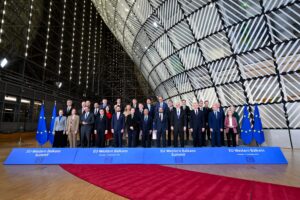
The Labour government’s “reset” deal with the EU is not delivering substantial gains on growth, trade specialists and economists have warned on the anniversary of the Brexit referendum’s polling day. The government’s first deal with the EU struck in May last year, which will be ratified by parliament in a
 Mauricio Alencar



Monday 22 June 2026 3:00 am | Updated: Sunday 21 June 2026 11:49 am
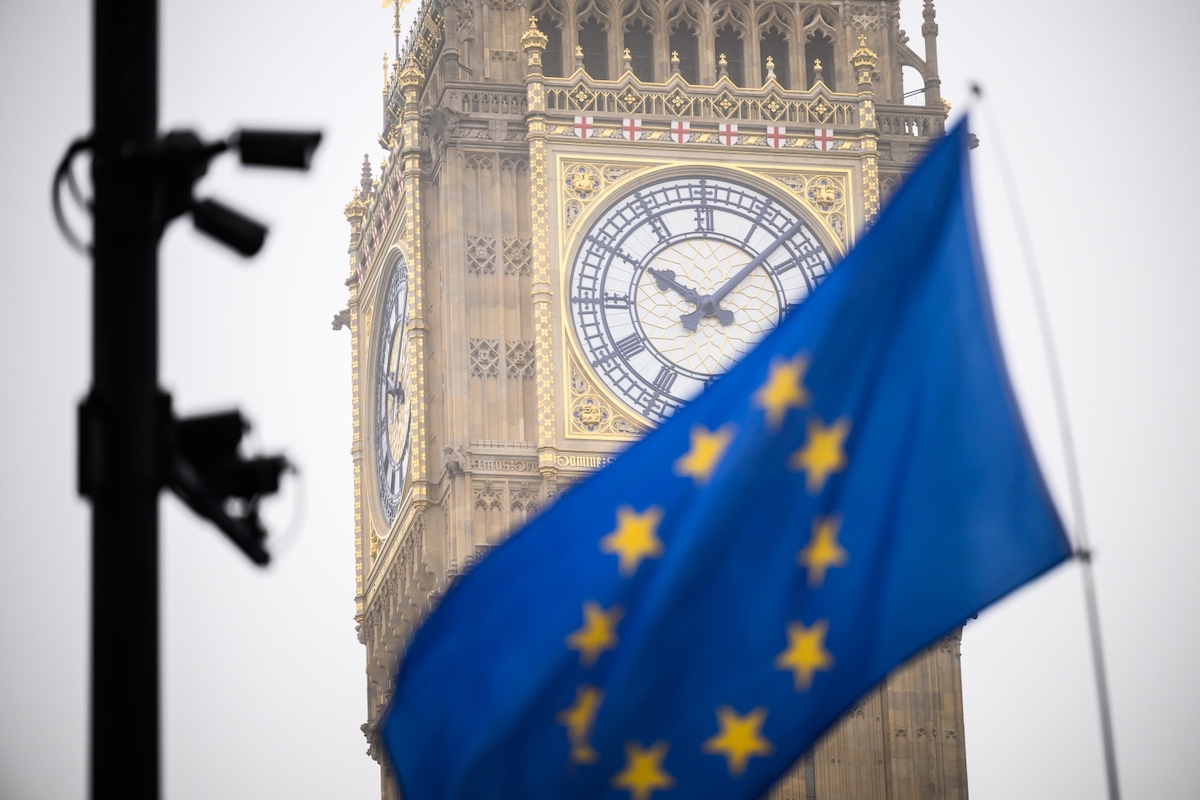
The Labour government’s “reset” deal with the EU is not delivering substantial gains on growth, trade specialists and economists have warned on the anniversary of the Brexit referendum’s polling day.
The government’s first deal with the EU struck in May last year, which will be ratified by parliament in a bill over the course of the year, will not deliver enough growth to boost the UK economy, according to two separate reports.
The Business and Trade Committee (BTC), which consists of 11 MPs from across the parties, warned the government’s Brexit reset would not deliver any growth in the near-term despite the Prime Minister’s recent pronouncements.
MPs said that the government’s framing of the deal around boosting growth and easing the cost of living amounted to a “rhetoric-reality gap” given the current terms would add just 0.5 per cent to GDP by 2040 in an “optimistic scenario”.
Liam Byrne, the chair of the committee, criticised ministers for being outspoken about the economic damage of Brexit without delivering substantial gains.
#mc_embed_signup { background: #fff; clear: left; font: 14px Helvetica, Arial,sans-serif; width: 100%; max-width: 600px; margin: 20px 0; } #mc-embedded-subscribe-form { margin: 20px 0 !important; } .newsletter-form-flex { display: flex; gap: 0; align-items: center; margin-top: -10px; } .newsletter-form-flex input[type=”email”] { flex: 1; padding: 2px 10px; border: 1px solid rgb(18, 22, 23) !important; border-radius: 12px 0 0 12px !important; } .newsletter-form-flex input[type=”submit”] { padding: 4px 10px !important; margin: 0 !important; background-color: rgb(18, 22, 23) !important; color: rgb(255, 255, 255) !important; border: 1px solid rgb(18, 22, 23) !important; border-radius: 0 12px 12px 0 !important; } .newsletter-banner-content { margin-bottom: 15px; } .newsletter-banner-content h2 { margin: 0 0 10px 0; font-size: 18px; font-weight: 600; } .newsletter-banner-content p { margin: 0 0 10px 0; line-height: 1.5; } .newsletter-banner-content ul, .newsletter-banner-content ol { margin: 0 0 10px 20px; } .newsletter-banner-content a { color: #0073aa; text-decoration: none; } .newsletter-banner-content a:hover { text-decoration: underline; } .newsletter-banner-content img { max-width: 100%; height: auto; margin: 10px 0; } #mc_embed_signup #mce-success-response { color: #0356a5; display: none; margin: 0 0 10px; width: 100%; } #mc_embed_signup div#mce-responses { float: left; top: -1.4em; padding: 0; overflow: hidden; width: 100%; margin: 0; clear: both; }
He said: “Business cannot invest on political signalling alone. It needs clear rules, a clear destination and a credible vision.
“Ministers must now get off the fence, set out where they want Britain’s relationship with Europe to be by the end of this Parliament, and provide the roadmap to restore confidence, strengthen our security and deliver the growth the country needs.”
The report by the BTC raised the alarm on five key aspects of the government’s post-Brexit approach. This includes a failure to deliver on immediate growth, defence, delayed negotiations over electricity trading, a lack of strategy and disagreements over “dynamic alignment” with EU regulations
The committee also hit out at the government for failing to secure an agreement with the EU on steel trade given the bloc’s and the UK’s independent decisions to impose tariffs on the metal despite manufacturers’ reliance on goods from across the Channel.
At least six requests made by the committee around improving policies have also not enjoyed any progress, according to the report.
Brexit reset will ‘saddle’ UK with low-growth
The publication of the BTC’s report was followed by separate research into the costs and benefits of the initial Brexit “reset” deal by the Centre for Policy Studies, a right-leaning think tank.
Gerard Lyons, a former contender for governor of the Bank of England, said the reset plans were “no substitute for a credible growth strategy” and could hold the UK economy back due to opportunity costs of imposing other regulations.
Read more Starmer agrees investment deal with Japan as EU deal questioned
He said that the UK should not “tie our hands and refuse to use the post-Brexit levers that can impact our regulatory, trade and growth policies”.
Lyons suggested that the country risked “saddling” itself with a low-growth trading bloc whose share of the global economy has fallen in the last 10 years.
A growing number of economists and senior political figures have questioned the merits of the government’s EU deal.
Businesses hit out at ‘Rejoin’ efforts
Findings by Policy Exchange, another Westminster think tank, suggested that the reset deal around food standards could cost the UK more than the government’s own estimate of benefits.
Lord Lilley, a former trade secretary who oversaw the UK’s entry into the EU’s single market, warned that businesses ranging from fishing to the pharmaceuticals sector could be burdened with billions of pounds due to greater red tape.
Taxpayers will also have to contribute more to rejoin the Erasmus scheme that allows young people to study in different EU member countries.
However, a desire for closer trade agreements with the EU still remains, according to researchers at an industry group, the British Chambers of Commerce.
Over half of exporters surveyed suggested that the existing trade framework with the EU was making it harder for firms to export goods and services, with businesses raising the alarm on VAT complexity, red tape at borders and a lack of coordination on professional qualifications.
William Bain, head of trade policy at the BCC, warned against lobbying efforts to rejoin the EU.
“Debates about rejoining the EU or a customs union are not currently helpful. Firms tell us they want more trade with Europe, the US and Asia,” he said.
“They don’t want to keep retreading old ground but look forward instead. Rejoining would compromise the trade deals we have made since leaving and cut our advantages in areas such as AI where our regulatory approach differs.”
Read more Starmer weighs cut to EU student fees in bid for Brexit reset
Similarly tagged content: Sections Categories People & Organisations