On Wednesday, Watt made a bid to buy back the Scottish craft beer firm just months after it was acquired.
He tabled an offer to buy Brewdog through his new beer firm, Second Best, claiming that 43,000 so-called equity punk investors had joined forces for the bid.
The Guardian has reported, external that a number of shareholders contacted by Watt said they did not understand how he had their contact details, raising concerns about a potential breach of the general data protection regulation (GDPR).
The data privacy rules are overseen by the ICO.
“We are aware of an incident involving Brewdog and we are assessing the information provided,” an ICO spokeswoman said.
Watt has been contacted for comment.
He co-founded Brewdog with Martin Dickie in Aberdeenshire in 2007.
At its peak, the company had four breweries, about 100 pubs worldwide and was said to be worth more than $1bn.
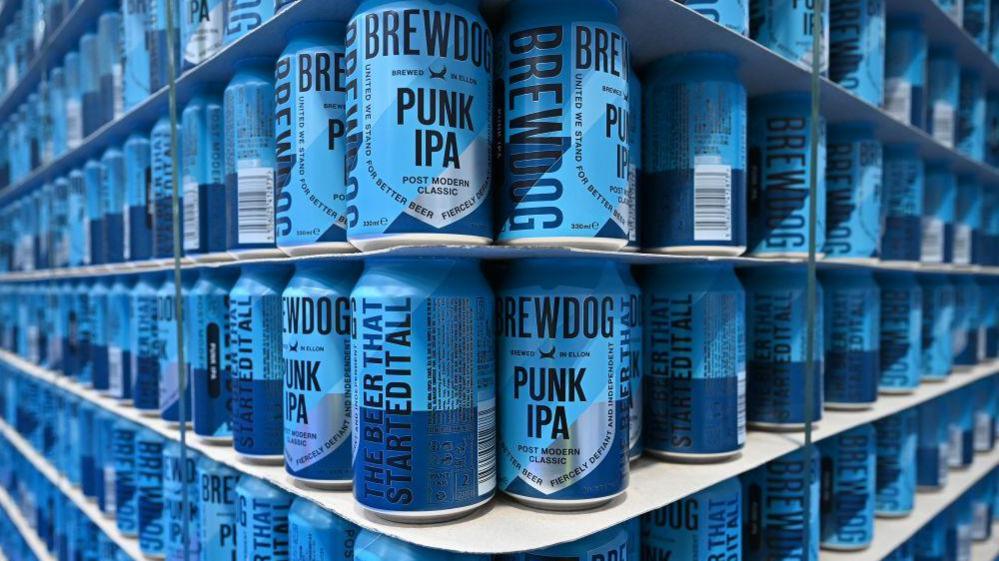 Image source, Getty Images
Earlier this week, bosses at Tilray stressed that the brand was not for sale and planned to reject Watt’s takeover efforts.
A spokesman added: “Tilray Brands did not acquire Equity for Punk shareholder data as part of its acquisition of the BrewDog brand and assets; that records system remains under the control of BrewDog plc (in administration).
“Tilray acquired only a customer CRM database comprising individuals who explicitly opted in to BrewDog communications.
“For the avoidance of doubt, Tilray Brands (trading as BrewDog) and its current management team have no involvement in, affiliation with, or responsibility for James Watt’s business activities, including Second Best.”
The spokesman added that Tilray Brands did not “authorise, facilitate, or participate in the communications reportedly sent to former Equity for Punks investors and did not authorise the use of any acquired data for such purposes”.
“We take data privacy with the utmost seriousness and can categorically confirm that no data held by Tilray Brands has been shared with external entities or former directors,” he said.





 admin
admin



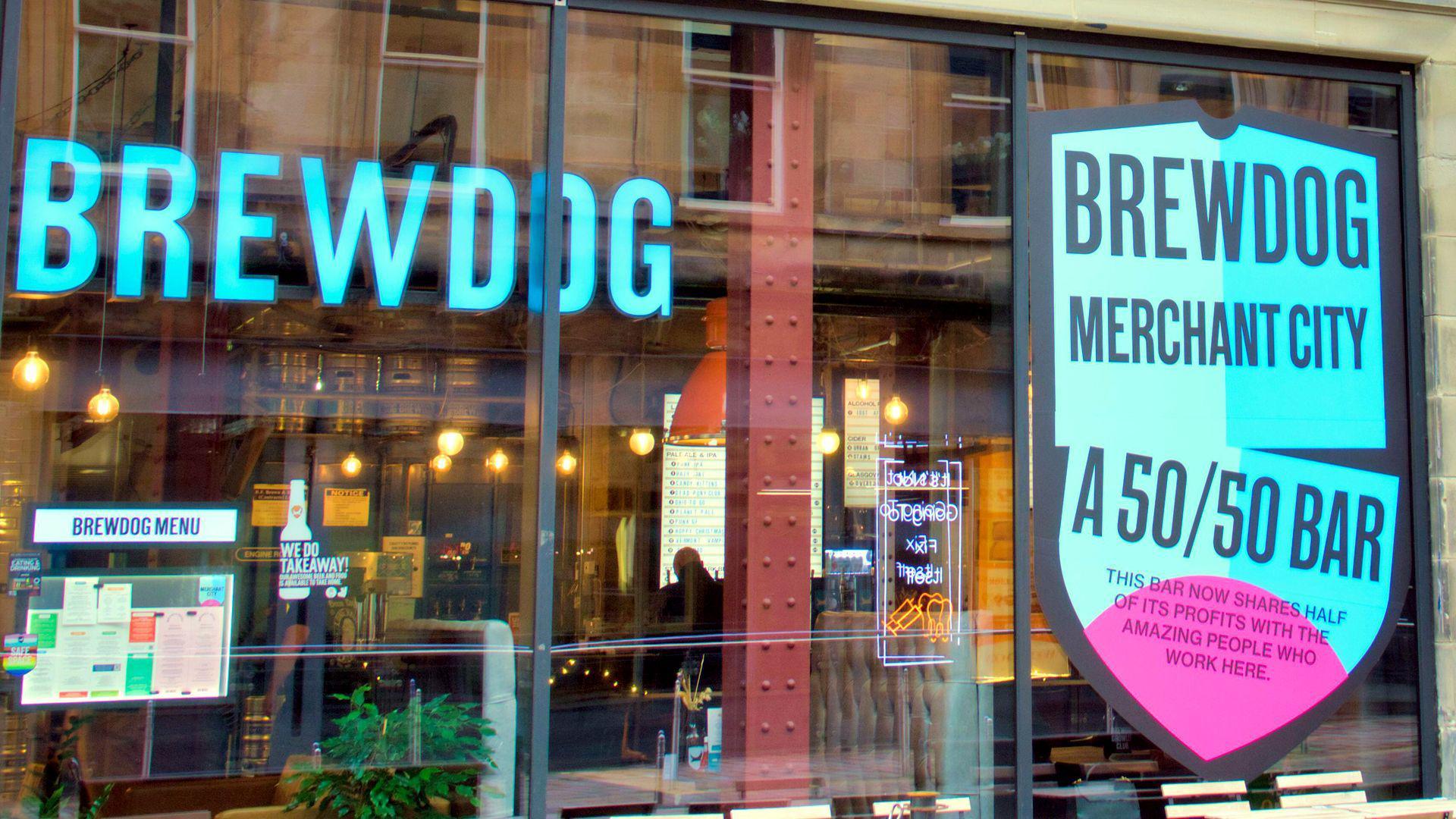
 Image source, PA Media