The City is in the mood for a regulatory bonfire and Kemi Badenoch hopes to be the one to light the flame. In this week’s column, Samuel Norman looks at the roadblocks she may face on her pursuit. “Don’t forget about Andrew Bailey.” That was the parting shot I got
 Samuel Norman




Wednesday 24 June 2026 1:51 am | Updated: Tuesday 23 June 2026 5:04 pm
The City is in the mood for a regulatory bonfire and Kemi Badenoch hopes to be the one to light the flame. In this week’s column, Samuel Norman looks at the roadblocks she may face on her pursuit.
“Don’t forget about Andrew Bailey.”
That was the parting shot I got from a former Bank of England veteran, now steering policy for one of the City’s institutional giants, after I’d pelted them with questions over the future of Britain’s banking sector.
My line of questioning centred on how far this – or any – government could go in its mission to sweeten the regulatory environment for banks.
At the time, Reeves was yet to announce her ring-fencing shake-up. I suggested we could see the regime abolished in its entirety once Sam Woods bows out of his post as the head of the Prudential Regulation Authority at the end of June.
#mc_embed_signup { background: #fff; clear: left; font: 14px Helvetica, Arial,sans-serif; width: 100%; max-width: 600px; margin: 20px 0; } #mc-embedded-subscribe-form { margin: 20px 0 !important; } .newsletter-form-flex { display: flex; gap: 0; align-items: center; margin-top: -10px; } .newsletter-form-flex input[type=”email”] { flex: 1; padding: 2px 10px; border: 1px solid rgb(18, 22, 23) !important; border-radius: 12px 0 0 12px !important; } .newsletter-form-flex input[type=”submit”] { padding: 4px 10px !important; margin: 0 !important; background-color: rgb(18, 22, 23) !important; color: rgb(255, 255, 255) !important; border: 1px solid rgb(18, 22, 23) !important; border-radius: 0 12px 12px 0 !important; } .newsletter-banner-content { margin-bottom: 15px; } .newsletter-banner-content h2 { margin: 0 0 10px 0; font-size: 18px; font-weight: 600; } .newsletter-banner-content p { margin: 0 0 10px 0; line-height: 1.5; } .newsletter-banner-content ul, .newsletter-banner-content ol { margin: 0 0 10px 20px; } .newsletter-banner-content a { color: #0073aa; text-decoration: none; } .newsletter-banner-content a:hover { text-decoration: underline; } .newsletter-banner-content img { max-width: 100%; height: auto; margin: 10px 0; } #mc_embed_signup #mce-success-response { color: #0356a5; display: none; margin: 0 0 10px; width: 100%; } #mc_embed_signup div#mce-responses { float: left; top: -1.4em; padding: 0; overflow: hidden; width: 100%; margin: 0; clear: both; }
“Maybe,” the City grandee said, before quickly reminding me not to forget about the guv’na himself.
Andrew Bailey and Rachel Reeves have had a testy relationship in the Leeds MP’s time as Chancellor – which looks set to come to an imminent end as Andy Burnham clinches the keys to Number 10.
But one party who may face an even rockier relationship is Kemi Badenoch’s Conservatives, which have pledged to wield an even sharper axe on banking regulation.
Reeves reforms land lightly
Much of Reeves’ highly-touted Leeds Reforms landed with the gentle drift of a feather rather than the economic clang she had promised. The long-awaited ring-fencing changes were revealed just a month ago as former Barclays’ policy advisor Katharine Braddick prepares to take the watchdog reins off Woods’ hands.
Reeves introduced a new “growth allowance” to allow more flexibility within the ring-fencing regime, which requires top banks to separate their retail and investment banking activities.
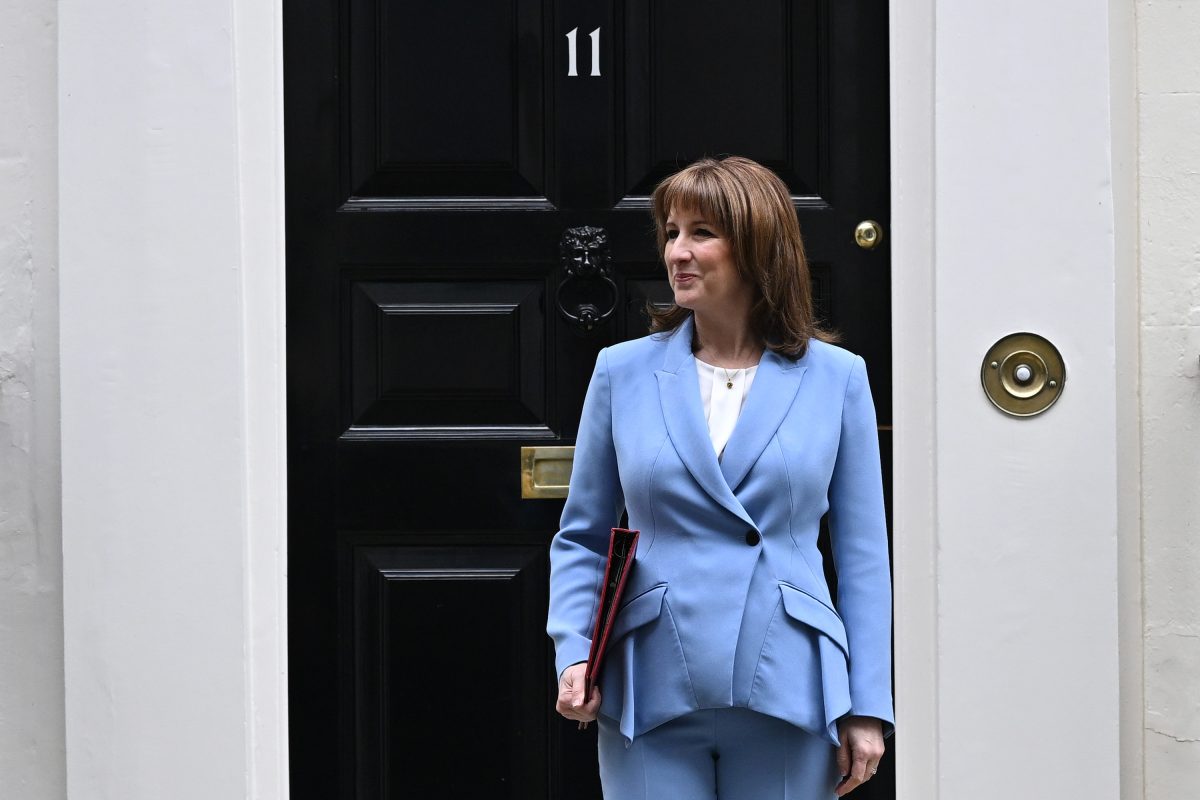 Reeves has courted the opinion of banks throughout her tenure.
In a speech last week, Badenoch, however, said she would go further and scrap the system altogether.
And it wasn’t just ring-fencing that was ripe for Badenoch’s bayonet. She said the Tories would scrap the Financial Ombudsman Service – the body that arbitrates disputes between banks and customers but has faced accusations of becoming a “quasi-regulator”.
Perhaps the most ambitious of her plans was to target lenders’ capital requirements.
These decisions – on how much loss-absorbing capital lenders must hold as a base requirement – rest with the Bank of England’s Financial Policy Committee (FPC).
Sources close to the matter said the Tories would legislate for the banking watchdog and FPC to consider competitors’ jurisdictions when setting requirements.
Read more Kemi Badenoch pledges to wield the axe on post-financial crisis banking regulation Warrior Badenoch ready for battle
In her speech to the City, Badenoch touted her image as “culture warrior” and said she would “fix” an overly-cautious regulatory culture.
Should she manage to fight tooth and nail to Downing Street, the Tory warrior may find herself in an even more complex battle.
Bailey – a long-standing advocate of the post-finanical crisis rulebook – has routinely clashed with Whitehall on all-matter of regulatory issues.
Arguably, the biggest rift followed comments from Reeves’ that regulation was a “boot on the neck of businesses”.
“I don’t use those terms… let me say that” Bailey told the Treasury Committee last July as he launched a defence of banking regulation (in private he was reportedly “really pissed off”).
Badenoch, though, is opting for what she dubs an “economic revolution,” that won’t just lead to a shakeup in the rulebook but a mandate to rewrite entire parts of it.
This would put her firmly on a collision course with the Bank – which has gone as far to block a meeting convened by Rachel Reeves with Revolut and regulators over concerns around political intervention.
Bailey has until 2028 left on his mandate, maintaining his stewardship for the majority of this Parliament – though predictions when Britain goes to the polls may be a fool’s game. One name that has been floated around to replace him? Sam Woods – though that recruitment campaign is more than a year away.
Badenoch has claimed her reforms would pump £450bn into the UK economy – a shot in the arm that dwarfs the £80bn Reeves hoped her ring-fencing shakeup could unleash.
The City’s appetite for this is not in question. They have spent the last two years lobbying for this bonfire.
The bosses of the UK’s largest banks – save for the notable absence of Barclays – wrote to Reeves last year to call for the abolition of ring-fencing. It’s estimated Natwest would rake in an extra £530m if ring-fencing gets the axe, and Lloyds £480m.
Unsurprisingly, bank chiefs have made it clear Reeves’ appetiser is doing little to sate the hunger. Lloyds boss’ Charlie Nunn said they were “just the start” and there was “more to do” as he dished out rallying calls to improve capital requirements.
Meanwhile, Natwest chief Paul Thwaite said the UK was “closer to the start than the finish” on deregulation.
Last year, then-City minister Lucy Rigby declared banks were “off the naughty step” in a bid to ramp up excitement for the government’s agenda. Perhaps to feel the benefit they may have to climb the whole staircase.
Badenoch seems willing to grant them that pass. But first, she will first need to fight electoral odds to get to Number 10 – and then face down the formidable machinery guarding British banking.
Read more Kemi Badenoch can still woo the City
Similarly tagged content: Sections Categories People & Organisations