Babcock said it had suffered a £140m financial hit due to delays in a contract with the Royal Navy but reiterated its financial targets for the next year, predicting high spending as global governments plough cash into defence. Profit before tax slumped to £267.2m from £339.4m in the prior year
 Maisie Grice



Monday 22 June 2026 8:49 am
Babcock said it had suffered a £140m financial hit due to delays in a contract with the Royal Navy but reiterated its financial targets for the next year, predicting high spending as global governments plough cash into defence.
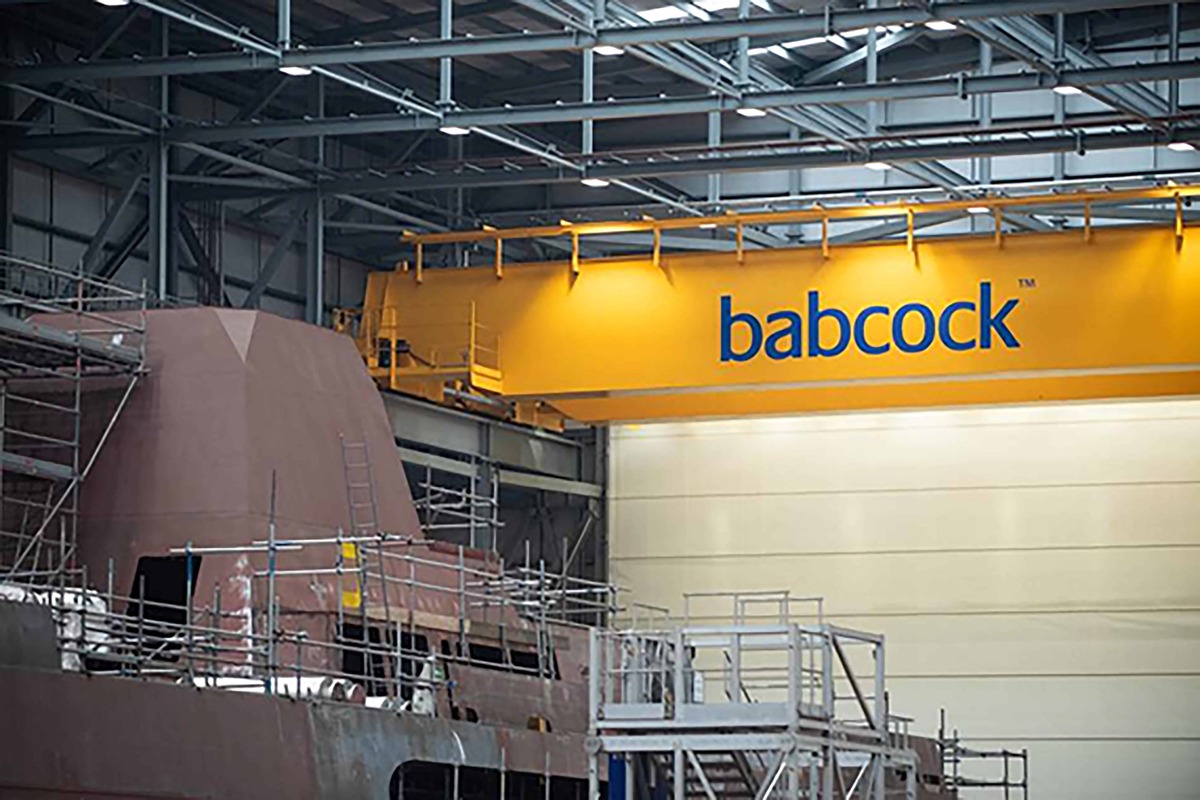
Profit before tax slumped to £267.2m from £339.4m in the prior year after problems with its Type 31 frigate contact led to a £140m hit. Costly rework and design changes also damaged revenue in the final quarter, as it slipped from £5.3bn in its prior trading update.
Revenue increased eight per cent to £5.1bn in its latest annual results, up from £4.8bn the prior year.
Babcock reiterated its guidance for the next year and said higher defence spending from governments would bolster demand for its core defence and civil nuclear businesses.
The FTSE 100 company said it expects sustained demand as the “nature of conflict evolves rapidly”, increasing the need for new technology and operational requirements.
#mc_embed_signup { background: #fff; clear: left; font: 14px Helvetica, Arial,sans-serif; width: 100%; max-width: 600px; margin: 20px 0; } #mc-embedded-subscribe-form { margin: 20px 0 !important; } .newsletter-form-flex { display: flex; gap: 0; align-items: center; margin-top: -10px; } .newsletter-form-flex input[type=”email”] { flex: 1; padding: 2px 10px; border: 1px solid rgb(18, 22, 23) !important; border-radius: 12px 0 0 12px !important; } .newsletter-form-flex input[type=”submit”] { padding: 4px 10px !important; margin: 0 !important; background-color: rgb(18, 22, 23) !important; color: rgb(255, 255, 255) !important; border: 1px solid rgb(18, 22, 23) !important; border-radius: 0 12px 12px 0 !important; } .newsletter-banner-content { margin-bottom: 15px; } .newsletter-banner-content h2 { margin: 0 0 10px 0; font-size: 18px; font-weight: 600; } .newsletter-banner-content p { margin: 0 0 10px 0; line-height: 1.5; } .newsletter-banner-content ul, .newsletter-banner-content ol { margin: 0 0 10px 20px; } .newsletter-banner-content a { color: #0073aa; text-decoration: none; } .newsletter-banner-content a:hover { text-decoration: underline; } .newsletter-banner-content img { max-width: 100%; height: auto; margin: 10px 0; } #mc_embed_signup #mce-success-response { color: #0356a5; display: none; margin: 0 0 10px; width: 100%; } #mc_embed_signup div#mce-responses { float: left; top: -1.4em; padding: 0; overflow: hidden; width: 100%; margin: 0; clear: both; }
Babcock also acknowledged that while some governments “are balancing these priorities against fiscal constraints” as was clear in the UK’s Defence Investment Plan (DIP), “demand is increasingly structural”.
Labour’s DIP led to the explosive resignation of previous defence minister John Healey, who argued the draft proposals fell “well short” of the three per cent GDP 2030 target he felt necessary.
Shares declined 4.3 per cent in early trading to 1,004p, with its share price down 21.1 per cent since January.
Energy security
A greater need for energy security also drove “renewed government commitment to nuclear power”, as the conflict in the Middle East forced European governments to acknowledge the need for sovereign capability and energy resilience.
Global expenditure on new nuclear power is now expected to reach $2.2 trillion by 2050, with the UK government already allocating £2.5bn to support early deployment and increase nuclear generation.
Read more Surging military spending boosts London-listed defence sales
This pushed up the group’s nuclear revenue, which accounts for 40 per cent of its total income, by 14 per cent to £2bn, on the back of growth in its Cavendish nuclear business and higher nuclear submarine support activity.
Aviation revenue also climbed 34 per cent to £431.4m, following increased scope to its UK military contracts and the commencement of its contracts with the French Air Force and Canadian helicopter service.
Marine revenue inched up two per cent to £1.6bn, after growth in its commercial business was ultimately offset by the penalty on its Type 31 contract and lower levels of maintenance on both UK and international naval fleets.
Land revenue dropped three per cent to £1.1bn, after its civil rail business saw lower volumes off the back of the completion of its Belfast Grand Central Station project, while it also saw reduced demand for equipment in Africa following the reduction of several mining smelters in the region.
Dividend rise
Despite the hit from the Type 31 programme, Babcock said it would hike its dividend by 15 per cent to 7.5p share.
“Babcock’s decision to lob more cash at the dividend speaks volumes as to its confidence in the future, even after the unpleasant hit on the Type 31 frigate programme,” Chris Beauchamp, chief market analyst at IG, said.
“The 40 per cent slump in the shares this year has brought them back down to earth in valuation terms, providing a more attractive entry point after 2025’s dizzying ascent.”
It also completed its £200m share buyback programme and announced the commencement of another, which is expected to begin in the 2027 financial year.
The group also reported a decline in its contract backlog, dropping to £9.8bn from £10.4bn, following interest across its many business units.
Richard Hunter, head of markets at Interactive Investor, said: “Babcock revealed that its strong momentum from the first half continued over the year, with some significant strategic developments which included, but were not limited to, being selected as the prime industrial partner in Indonesia’s £4 billion Maritime Partnership Programme and an expansion of Babcock’s partnership with HII, the largest military shipbuilder in the US, to include a nuclear submarine programme.”
Read more War bonds to lift defence spending ruled out
Similarly tagged content: Sections Categories People & Organisations Related Topics