Across Europe, those who fish with the least impact are often the ones who struggle the most to make a living. For years, small-scale fishers have been facing dwindling stocks, the effects of climate change, increasing pollution, complex regulations and, above all, the gradual concentration of fishing rights in the hands
 Gwen Pennarun



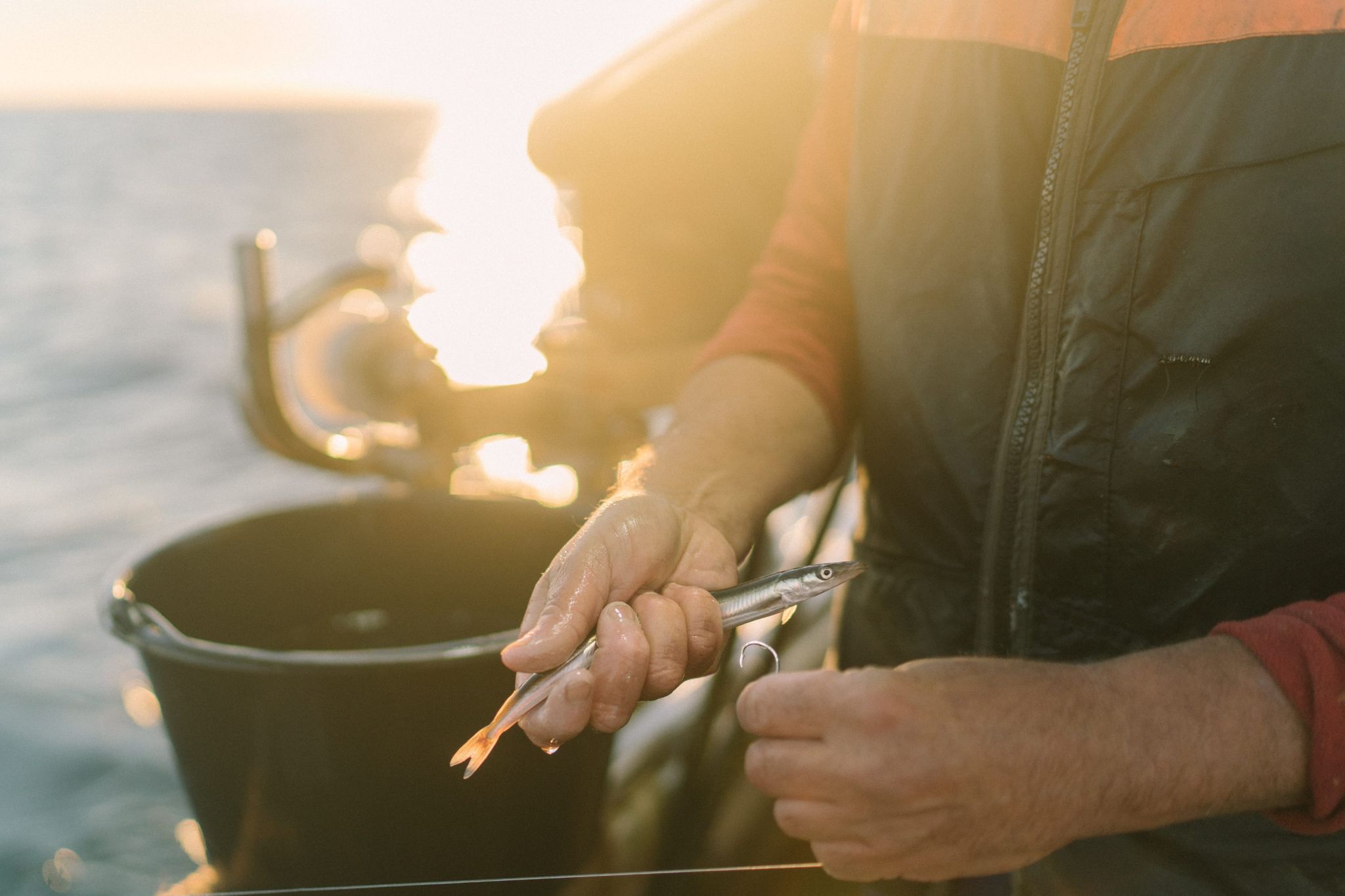
I have been fishing for sea bass off the coast of Brittany for nearly 40 years. It all started in 1986 when, at the age of 23, I bought my first boat. At that time, the sea was still providing a livelihood for entire communities of small-scale fishermen.
However, local fishers are currently facing a critical moment, as crucial legislation for European fisheries governance is expected to be developed, including the Common Fisheries Policy (CFP) and the forthcoming Ocean Act.
This raises the question: what future do we want for our seas, and for those who depend on them for their livelihood?
I engage in selective, low-impact fishing that is dependent on the seasons, the weather and respect for the natural balance. This profession demands patience, knowledge of ecosystems and a sense of responsibility.
Yet, across Europe, those who fish with the least impact are often the ones who struggle the most to make a living.
For years, small-scale fishers have been facing mounting difficulties: dwindling stocks, the effects of climate change, increasing pollution, complex regulations and, above all, the gradual concentration of fishing rights in the hands of the largest industrial operators.
Quotas – ecological and social aberration
The crux of the problem lies in the way fishing quotas are allocated.
The current system is based primarily on ‘historical rights’: the more a fisherman has fished in the past, the more rights they receive today. In other words, those who have exploited the resources the most continue to receive the lion’s share of the quotas.
This system favours large-scale operations and penalises small coastal vessels, even though they use more sustainable methods.
This system runs counter to the spirit of article 17 of the Common Fisheries Policy, which stipulates that member states must take environmental, social and economic criteria into account when allocating fishing opportunities.
The result is worrying: certain key species, such as bluefin tuna and mackerel, are gradually becoming the preserve of a small number of very powerful industrial players.
Fisheries resources, which should remain a common good, are in the process of being privatised.
Battle for the future of coastal regions
In several European coastal regions, small-scale fishing remains an economic, cultural and social mainstay. It sustains ports, markets, boat repair yards and entire families. It also maintains a direct link between consumers and the local area.
Coastal communities are not just a postcard for tourists. They are at the heart of local economies, identity and Europe’s maritime heritage.
It was to champion this vision that the Make Fishing Fair campaign was launched, calling for a fairer distribution of quotas and genuine recognition for low-impact fishers.
Once again this year, during the European Maritime Days in Cyprus, small-scale fishers from across Europe made their voices heard by the European institutions.
Our request is simple: every fisher should be able to make a decent living from their trade and that access to fish stocks should be shared fairly.
The future also depends on the next generation taking over.
Today, for a young seafarer, entering the profession is almost an impossible task: the cost of boats, access to licences, and economic uncertainty. Without appropriate public policies, the gradual decline of small-scale fishing in Europe will accelerate.
Consumer choice counts
But consumers also have a role to play.
Every food choice supports a particular model. Buying fish from local coastal communities rather than standardised products or those from intensive fish farms means championing a certain vision of the sea: a shared resource managed collectively, rather than a space monopolised by a few private interests.
In essence, the issue is as much political as it is environmental: does Europe wish to support a model based on the concentration of fishing rights and the race for volume, or a model that keeps coastal communities thriving whilst preserving marine ecosystems?
For us, small-scale European fishers, the stakes go far beyond our mere economic survival. They concern democracy, food sovereignty and the collective management of common resources.
Because a sustainable sea must never become private property.