Known for its butter-yellow trams and buttery natas, Lisbon has long been one of Europe’s most popular city breaks. Carys Sharkey checks into the Andaz to gain a fresh perspective on this ancient city Lisbon is known as the City of Seven Hills, but speak to locals and they’ll joke
 Carys Sharkey



Tuesday 30 June 2026 6:00 am | Updated: Monday 29 June 2026 11:17 pm
Known for its butter-yellow trams and buttery natas, Lisbon has long been one of Europe’s most popular city breaks. Carys Sharkey checks into the Andaz to gain a fresh perspective on this ancient city
Lisbon is known as the City of Seven Hills, but speak to locals and they’ll joke that it feels like a hell of a lot more than that. The city clings to the land as it stretches up and falls steeply back down. It’s this geography that is woven into Lisbon’s identity. The higgledy-piggledy streets, the trundling trams, the flatness of Belém, the calf-breaking angles of Bairro Alto. The deep-fried foods and buttery natas to fuel you through. A cup of vino verde for €1 while you walk. Within those seven hills, Lisbon contains a multitude. There’s a lot to fit in, but few European cities will make you want to try more.
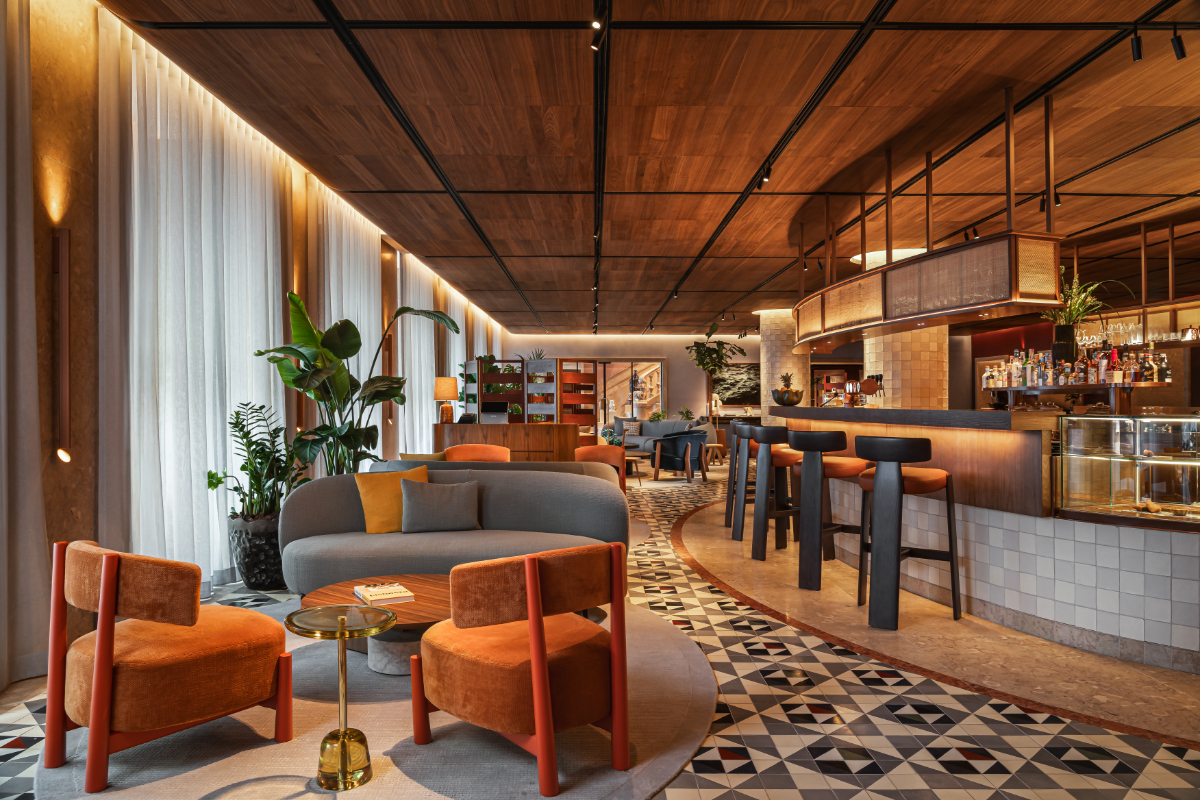 The main lounge of the Andaz
Where to stay
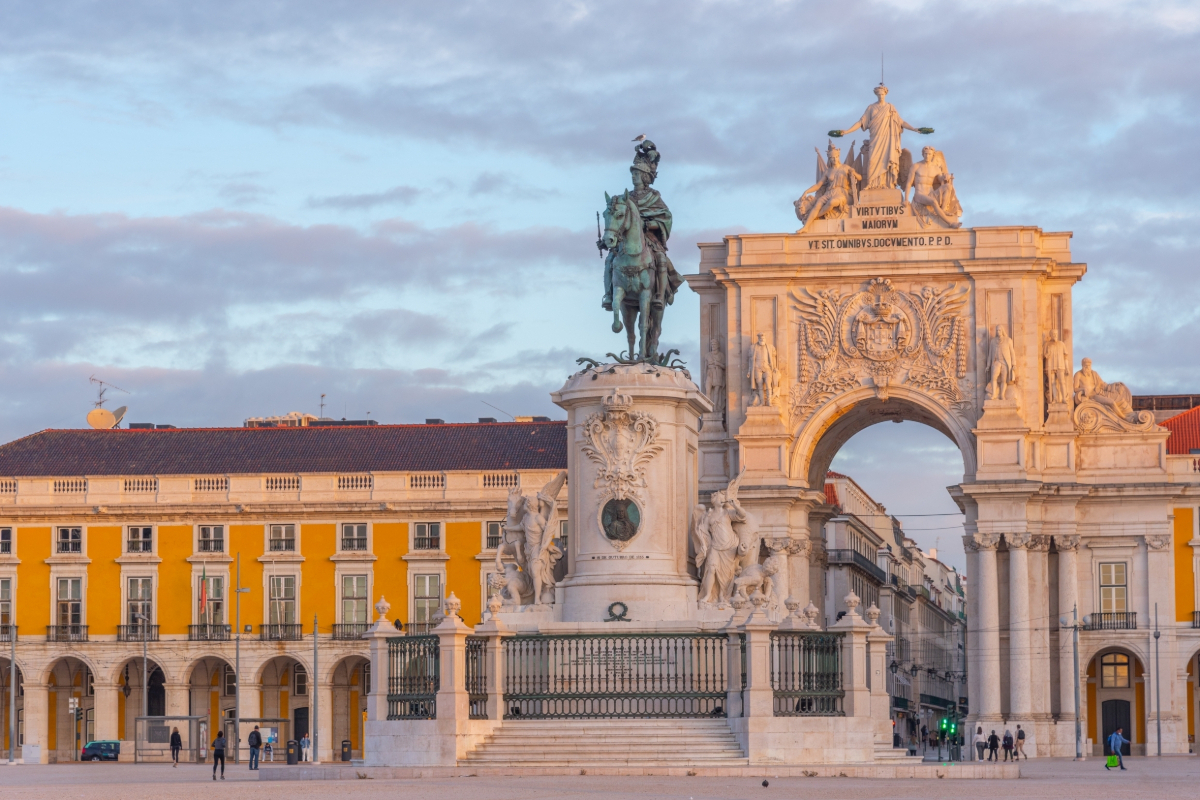
The recently opened Andaz Lisbon, by Hyatt sits right on Praça do Comércio, practically slap-bang in the middle of the city. It’s a perfect base to explore Lisbon, be that via tube, on foot or by tuk-tuk. Built in the Pombaline style following the 1755 earthquake that reshaped the entire city, the Andaz sits in a beautifully grand building, with the high-sweeping façade typical of the city.
The 158-room hotel used to be a bank, and the architects have incorporated original features and pieces of furniture while creating a contemporary space. The expansive tiled floors – a nod to Portuguese azulejos – are framed by low-slung wooden ceilings. In the main lounge area there are plush, sunken places to sit with a glass of wine and flick through the carefully curated coffee table books.
The rooms – which still have a box-fresh feel to them – are just as carefully designed, with dark wood accents and huge windows that let in some of the life from the streets below. You might hear snatches of melancholic fado that drift up into the imposing building. It’s a blend of light and dark, open and intimate, that works so well. It also helps that the bed is incredibly comfortable after long days of climbing.
#mc_embed_signup { background: #fff; clear: left; font: 14px Helvetica, Arial,sans-serif; width: 100%; max-width: 600px; margin: 20px 0; } #mc-embedded-subscribe-form { margin: 20px 0 !important; } .newsletter-form-flex { display: flex; gap: 0; align-items: center; margin-top: -10px; } .newsletter-form-flex input[type=”email”] { flex: 1; padding: 2px 10px; border: 1px solid rgb(18, 22, 23) !important; border-radius: 12px 0 0 12px !important; } .newsletter-form-flex input[type=”submit”] { padding: 4px 10px !important; margin: 0 !important; background-color: rgb(18, 22, 23) !important; color: rgb(255, 255, 255) !important; border: 1px solid rgb(18, 22, 23) !important; border-radius: 0 12px 12px 0 !important; } .newsletter-banner-content { margin-bottom: 15px; } .newsletter-banner-content h2 { margin: 0 0 10px 0; font-size: 18px; font-weight: 600; } .newsletter-banner-content p { margin: 0 0 10px 0; line-height: 1.5; } .newsletter-banner-content ul, .newsletter-banner-content ol { margin: 0 0 10px 20px; } .newsletter-banner-content a { color: #0073aa; text-decoration: none; } .newsletter-banner-content a:hover { text-decoration: underline; } .newsletter-banner-content img { max-width: 100%; height: auto; margin: 10px 0; } #mc_embed_signup #mce-success-response { color: #0356a5; display: none; margin: 0 0 10px; width: 100%; } #mc_embed_signup div#mce-responses { float: left; top: -1.4em; padding: 0; overflow: hidden; width: 100%; margin: 0; clear: both; }
The top floor is split into two halves: one is a roof terrace, which is a great spot for a cocktail before heading out for the night; and the other is the hotel’s main restaurant: Luzzi. It’s a maximalist affair. Tiled floors, tiled tables, tiled ceiling, the eye doesn’t quite know where to alight. But it’s fun and doesn’t take itself too seriously, and this playfulness extends to an evening menu that roams around the world while drawing on Portugal’s colonial past. Moqueca, a Brazilian seafood stew, is served more like a risotto, while the iconic bifana (pork sandwich) is shrunk down into cute little sliders.
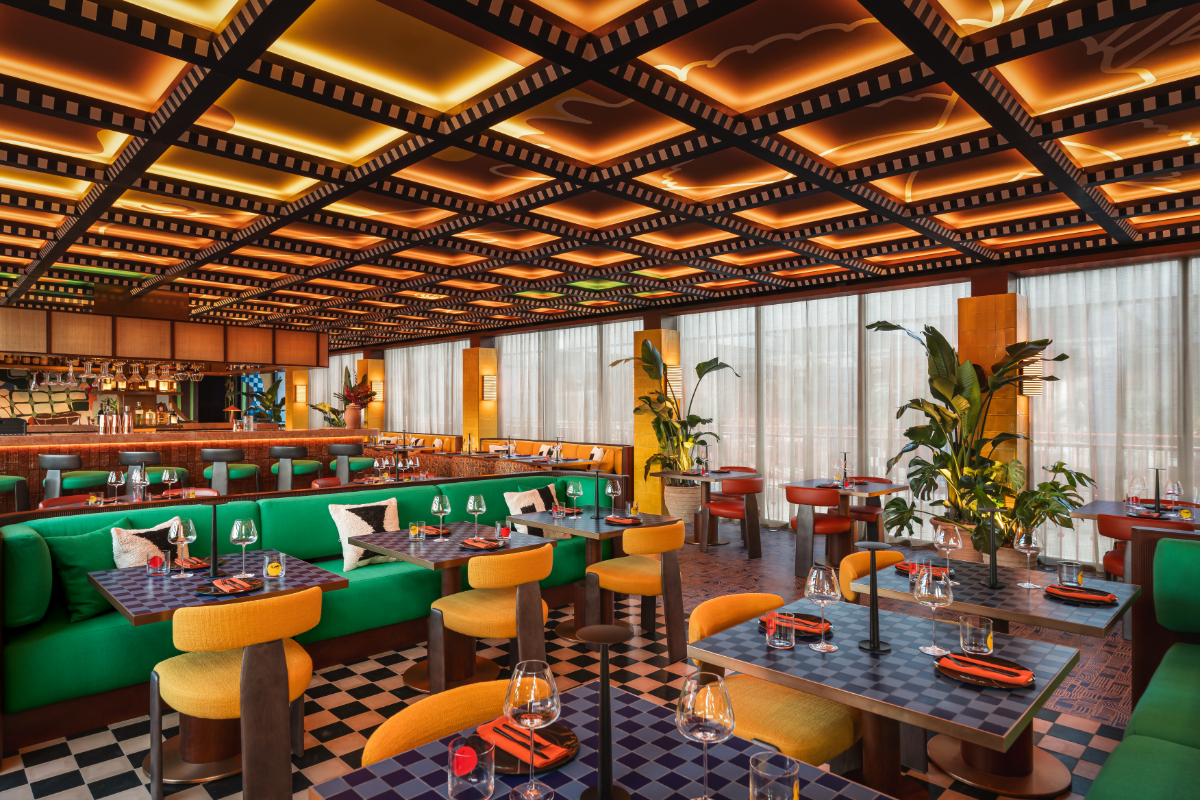 Luzzi restaurant at Andaz Lisob
But the best thing about the Andaz is the staff, who were some of the friendliest and funniest people I’ve met during hotel stays. I saw departing guests hugging staff at check out – which I didn’t do because, unlike 90 per cent of the clientele, I’m not American. But I got the sentiment. Always around to help and chat, they are a real credit to what makes the Andaz such a comfortable place to stay in Lisbon. There is a boutique feel to a larger operation.
What to eat
For me, the best way to explore Lisbon is letting the stomach be the guide. In the east of the city is the historic Alfama neighbourhood with its narrow streets and cobblestone alleys. Stop here for a shot of ginjinha, cherry liqueur, from the women who sell it at the side of the roads. There’s a Neapolitan feel to this part of the city, and it can get pretty busy. So it’s worth heading further up to Graça for sunset views of Lisbon. There are also two wine bars – Bom Bom Bom and Vino Vero – that both have really interesting wine lists and are definitely worth walking up to.
Further north-west of the centre is the Arroios neighbourhood. Right next to the station is A Parreirinha do Chile, a traditional Lisboa snack bar and the perfect place to get a bifana or prego (steak sandwich) before washing it down with a Super Bock. For frango – Portuguese chicken aka Nando’s – go to Quionga for huge platters of chips and perfectly grilled meat. Finally, at the top of the neighbourhood is Restaurante O Petisqueiro, which looks like a traditional tasca, but serves hearty, fragrant Angolan food.
Most tourists head to Belém, the westerly neighbourhood that snakes around the coast, for the Tower and the natas. Pastéis de Belém’s tarts are unmatched: warm and custardy filling against shatteringly flaky pastry. But there’s more to eat while you’re in the area. Just a few minutes up is Afonso dos Leitões, which specialises in unctuous and shattering suckling pig. Then there is cult favourite Canalha, one of the best seafood restaurants in Lisbon (make sure to book ahead). If you walk back to the centre – about an hour – and you have space to spare, then stop in at Zuari, a Goan restaurant that serves fiery curries and deep-fried snacks.
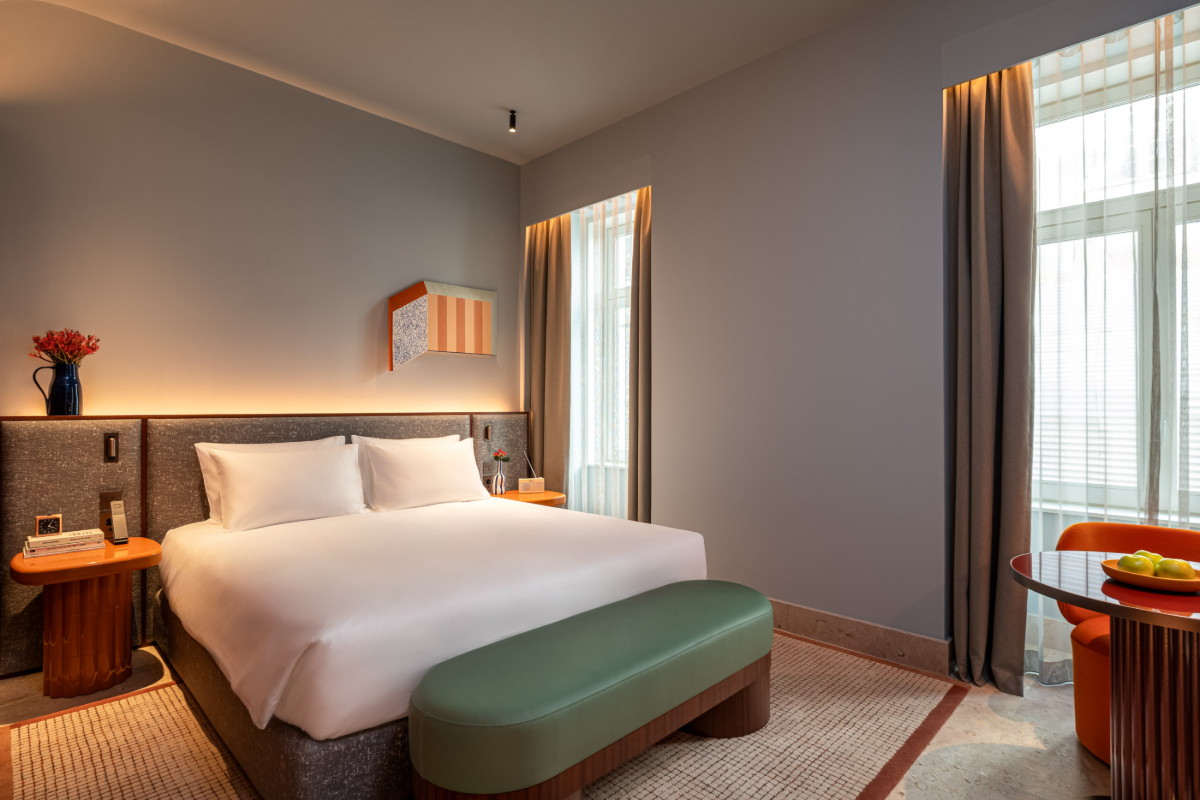 King Deluxe room at the Andaz
Day tripping
The Andaz organises trips for guests looking to both escape the city, and tours to get to know it better. During my stay I visited a beautiful, historic estate just outside the city to ride Lusitano horses. An afternoon followed riding on the unspoiled beaches of Comporta, about an hour or so south of Lisbon. I’m not a keen equestrian by any means, but it’s an undeniably special way to spend a day, and to see Portugal from – quite literally – a different perspective.
Read more The best places to eat sandwiches in Lisbon, from bifanas to pregos
Similarly tagged content: Sections Categories People & Organisations