Climate change, poor infrastructure and distracted politicians all play a role.
 Zia Weise



Europe is also the world’s fastest-warming continent due to a combination of factors, including its relative proximity to the Arctic and changes in regional weather patterns.
And with every fraction of a degree that the planet warms, the heat will get worse; scientists say if global warming reaches around 3 C from preindustrial times, the number of heat deaths in Europe will double or triple compared with 1.5 C.
2. Poor infrastructure
But outside temperatures are only part of the problem. Europeans spend around 90 percent of their time indoors — in homes, shops, trains, schools and workplaces.
In much of Europe, and especially in northern regions, buildings are designed to keep heat in, not out. Even now, many new homes are built to withstand winter temperatures, not increasingly hot summer weather. In the United Kingdom, 92 percent of homes are likely to overheat by 2050, according to the country’s climate change committee.
Plus, while a growing number of European homes have air conditioning, it’s still a rarity: Only about a fifth of households on the continent have AC installed. Even if they do, they might not be able to turn it on: More than a third of Europeans say they cannot afford to keep their homes cool enough, rising to two-thirds among people struggling to make ends meet.
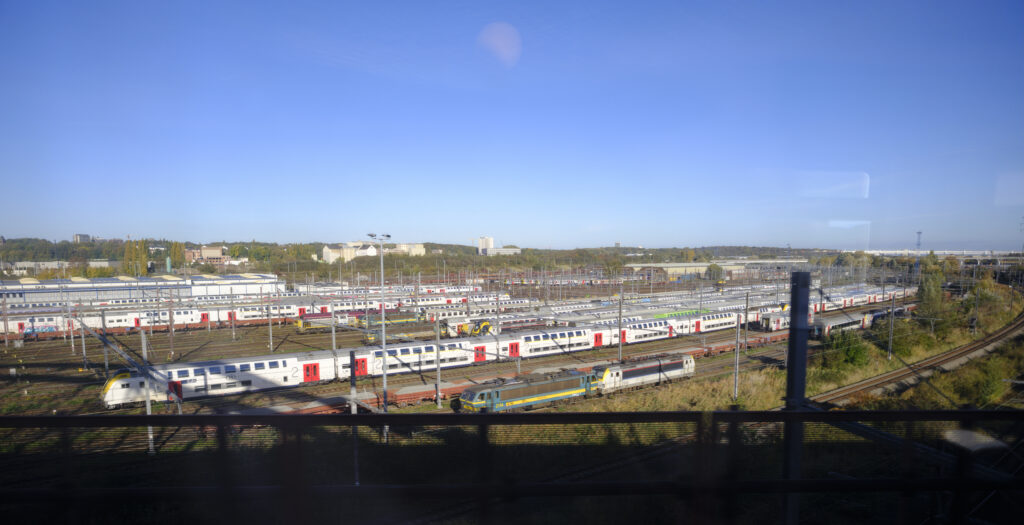
Offices, schools, trains and public transport in many cities also lack sufficient air conditioning. In France, the heat — and absence of cooling tech — forced the closure of more than 800 schools this week. In Belgium, a fifth of all trains do not have AC at all, prompting the national rail company to cancel peak-hour services.