

Nernst Electric, an Irish startup developing on-site oxygen generation for fish farms, has raised a €1.7 million ($2 million) Seed investment from Hatch Blue’s Blue Revolution Fund. Hatch Blue is a Cork-based investment firm specialising in aquaculture. Nernst first joined the Hatch Blue portfolio in July 2025, receiving pre-Seed funding
 Rahul Raj



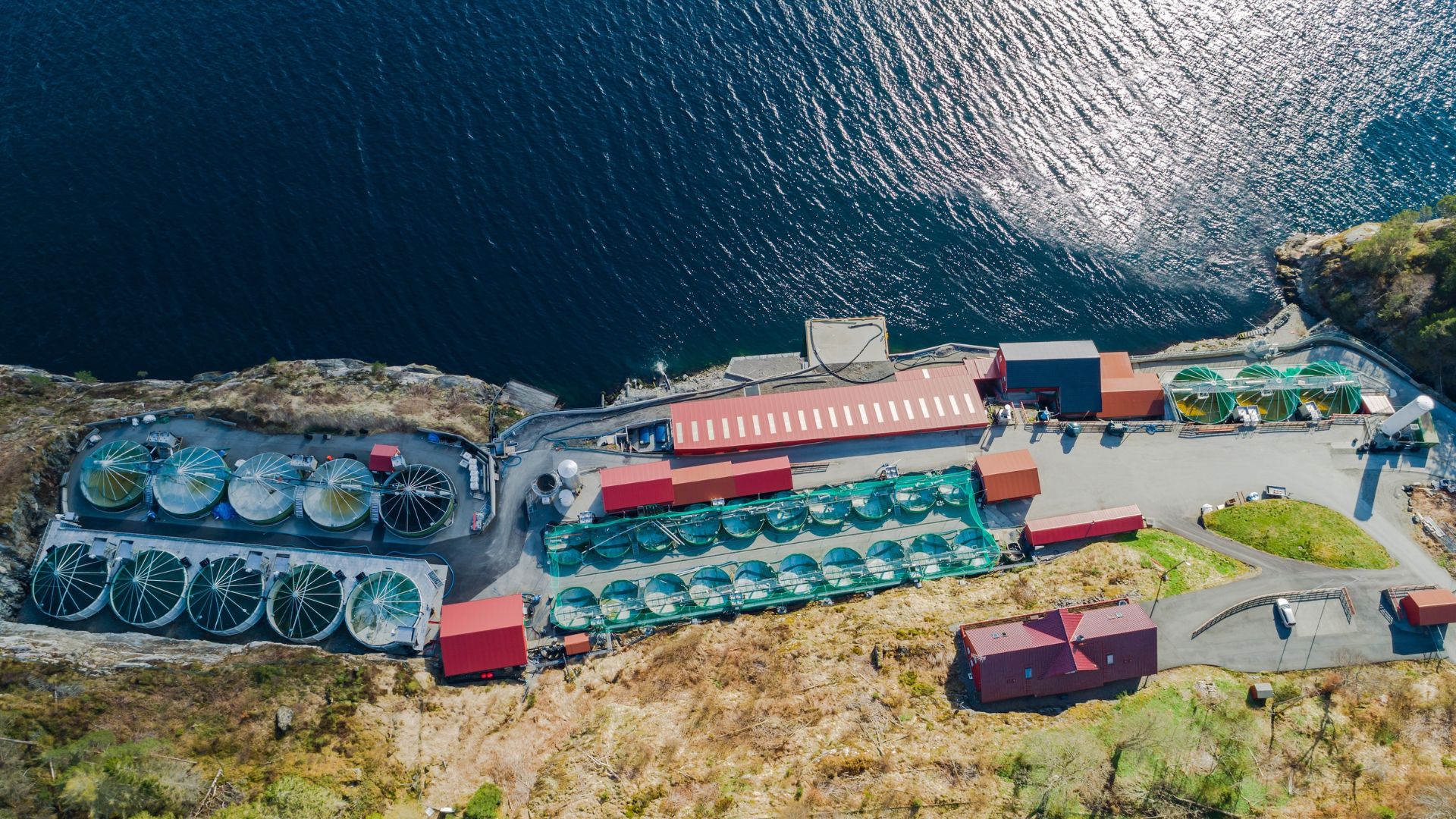
Nernst Electric, an Irish startup developing on-site oxygen generation for fish farms, has raised a €1.7 million ($2 million) Seed investment from Hatch Blue’s Blue Revolution Fund. Hatch Blue is a Cork-based investment firm specialising in aquaculture.
Nernst first joined the Hatch Blue portfolio in July 2025, receiving pre-Seed funding from Hatch Accelerator Fund II and joining Hatch Blue’s accelerator programme.
“Since Nernst joined our Accelerator Fund, their progress has been fast and convincing. The team came in with a manufacturing concept and have built it into a working system ready for its first aquaculture deployment. That kind of technical execution is impressive – and it is precisely why the Blue Revolution Fund is the right backer to take it further,” said Caitriona Kelleher, Managing Director of Early Stage Investments at Hatch Blue.
Founded in 2023 by Nick Farandos and Chris Matson, Nernst Electric states that ot combines expertise in solid oxide electrochemistry, advanced additive manufacturing, and deep industrial gas deployment experience to build the next generation of on-site oxygen generation hardware.
According to the company, fish farms rely on a continuous, large-volume supply of oxygen to keep fish healthy and growing. Today, most operations obtain it through trucked liquid oxygen from centralised facilities or on-site PSA/VSA generators, which are expensive and logistically challenging, especially for remote coastal sites.
“For decades, the limitations of conventional on-site oxygen generation have held back productivity across industries including aquaculture, mining, metallurgy, and steelmaking. Our breakthrough reactor technology removes those barriers, enabling the most efficient oxygen production at any scale with near-zero maintenance and the industry’s lowest operating costs,” said Nick Farandos, CEO, Nernst Electric
Nernst claims that it changes this by generating high-purity oxygen (>99%) directly at the farm using ceramic membranes to separate it from ambient air. According to the company, this technology gives fish farms a reliable supply at “dramatically” lower cost and higher energy efficiency, and without the supply chain dependency or operational burdens of conventional methods.
The company highlights that its oxygen production units are powered by its ceramic Oxygen Generation technology. Its units combine novel additive manufacturing with advanced materials to separate oxygen directly from air, delivering a continuous stream of high-purity oxygen.
The company highlights that its technology isn’t limited to aquaculture but also applies to heavy industries like mining, steel manufacturing, and the energy sector. These industries rely heavily on high-volume oxygen as a crucial input and encounter similar supply constraints at large industrial scales.
“Aquaculture is generating commercially attractive innovation at pace, and the sector’s own fundamentals are strong. Much of that innovation also has reach well beyond it. Nernst is a clear example: the platform that solves critical oxygen supply for fish farms has industrial-scale application across heavy industry. That is exactly what gives the Blue Revolution Fund the conviction to back it,” said Carsten Krome, Managing Partner and co-founder, Hatch Blue.
Nernst is currently building and deploying its first operational pilot-scale unit to prove out its oxygen-producing technology under real-world conditions. The company intends to utilise this capital to build a demonstration unit. Nernst highlights that a successful demonstration will confirm the system’s performance in a real farming environment, serving as a crucial step toward commercial customer trials and a Series A funding round to expand within the aquaculture sector.