He will stick to the Labour manifesto of not raising the main three taxes – income tax, National Insurance and VAT. But we’ve already seen since the election that other taxes can be altered, such as inheritance tax changes affecting family farms, often bringing a vociferous response.
Among the possibilities are:
Replacing stamp duty and council tax with an alternative property tax
Higher rates on capital gains tax, which you pay on the profit when selling assets such as property outside a primary home as well as some shares, to bring them in line with income tax rates
Any such reforms would take time, and bring winners and losers. When Reeves and Starmer tried to make big changes, even with a big majority, numerous u-turns followed, usually forced on him by his own party.
Burnham and Healey are also expected to stick to the government’s self-imposed fiscal rules, a set of choices on government tax and spending decisions.
Opinion is divided on whether these are sensible building blocks for the economy which allow living standards to improve, or a “dysfunctional” economic straitjacket.
“The [resulting] rummage down the back of the sofa for loose change has hit personal finances hard, changed the tax landscape, and makes it more challenging for people to save for their future,” says Rachel Vahey, head of public policy at investment platform AJ Bell.
Can energy and other essentials get cheaper?
Don’t forget that Labour’s much-debated general election promise to cut household energy bills by £300 by 2030 remains under close scrutiny.
In Downing Street, Burnham said he would “bring essentials under public control” to make them more affordable.
There have been hints about cutting energy bills, which are still set primarily by the wholesale cost of gas – something largely beyond a government’s control.
One option, championed by charities and the regulator, is the introduction of a social tariff. This would offer discounted bills to the most vulnerable, paid through higher bills or taxes from those who are better off.
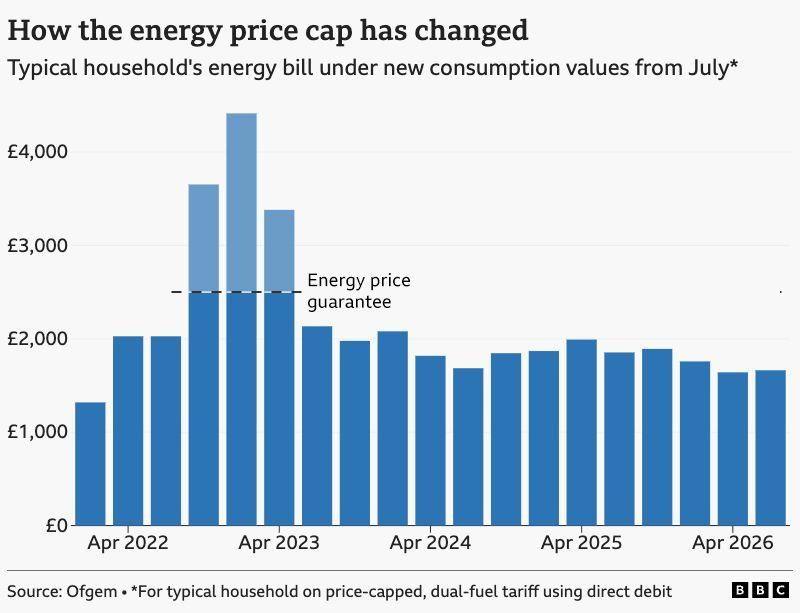
Future bills are a worry, but unpaid debt on previous bills is a huge concern. The amount of money owed to energy suppliers by customers is at a record high of £4.79bn, up 15% in a year.
“Although average bills have dropped back from their peak, they are still far higher than they were five years ago,” says debt charity Citizens Advice.
“But incomes and bill support mechanisms have not kept up. Households are left with mounting energy debts, forced to choose between heating and eating.”
Food and other bills, such as water and food, have added to the strain, it says.
Are transport fares a priority, like in Manchester?
Much of Burnham’s political capital comes from changes as the mayor of Greater Manchester, particularly to the bus network.
Announcements on bus fares are expected this week, but devolution means he can only really control what happens in England.
The £3 cap on bus fares in England, outside London, is in place until March next year. However, that scheme is voluntary and not all bus companies have signed up.
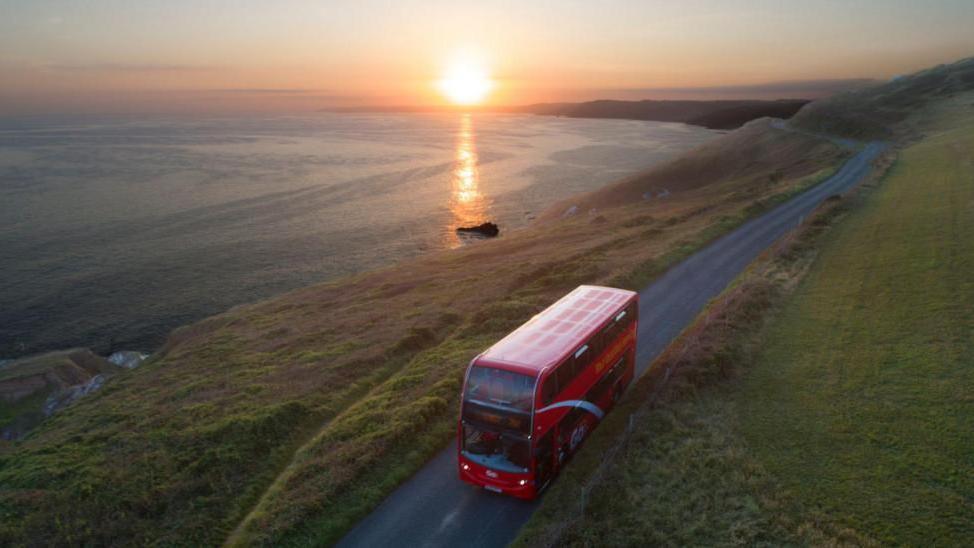 Image source, Getty Images
Rail fares in England were also frozen for the first time in 30 years to the same date by the government.
This applies to season tickets covering most commuter routes, some off-peak return tickets on long-distance journeys and flexible tickets for travel in and around major cities until March 2027.
Will there be help for first-time buyers and housing costs?
Burnham told The Times that without “sufficient homes for people that they can afford, you chase rent through the benefits system in the private rented sector”.
Hence his plan – announced in his first speech – to build more council homes, which sits alongside the government’s existing ambitious home-building target – already behind schedule.
Of course, just building homes does not necessarily make them cheaper.
Some lenders are offering first-time buyers the chance of a home loan with a smaller deposit, but the Bank of Mum and Dad remains one of the biggest lenders of all.
Building societies, in particularly, are expected to call for less strict rules on how much they can lend and to whom.
Ultimately, the cost of a mortgage may depend on what the markets think of Burnham, and his new chancellor’s plans.
What else does the new PM face?
Burnham is facing massive decisions about who receives sickness and disability benefits, and how much they get, as well as getting young people into work. You can read more about that here.
He said he “does not want to leave office” without reforming the social care system – again, a complex and potentially expensive policy which others have tried, and failed, to tackle.
By sticking with the current Labour manifesto, he will also stick with the state pension triple lock, which sees it increase in line with the highest of inflation, average wages or 2.5% every year.
Finally, as with all previous administrations, how a Burnham-led government reacts to events beyond its control may have the biggest impact on the money in people’s pockets.

Get in touch
Are you affected by the above issues? Do you have a unique story to share?
Contact formContact form
Andy Burnham: Who is the new PM?
From Manchester Mayor to prime minister in a matter of months; but what is his record and what does he stand for?
Watch on iPlayer





 admin
admin