
Budget negotiations for the EU’s 2028-2034 framework hope to win over member states with increased agency on border and security funding – which could leave room for human rights abuses to continue far from Brussels’ scrutiny
 Gaia Neiman



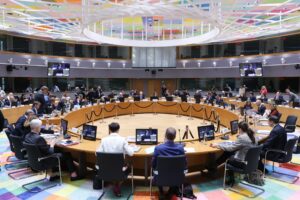
The EU Council defined what sectors are expected to receive funding for border and internal security at the next European budget last week (15 July), in a drive to push member states for greater urgency on migration.
The council’s negotiating position on the next multi-annual financial framework (MFF) for the seven years 2028-2034 outlines support for national capitals to implement the recent EU pact on migration and asylum, to ensure efficient management of the EU’s external borders and visa processing, and in assistance of fighting internal security threats.
Border and internal security funding for the years 2028-2034 would be delivered through national plans rather than having to go through the EU’s often bureaucratic regulations – as the current system entails – although the budget’s numbers are set to be agreed on by the end of 2026.

Each member state will prepare a plan for their expected reforms on topics the council has outlined as candidates for MFF negotiations, such as visas, returns, and internal security threats.
“Member states will be able to respond to pressing needs and changes in policy”, said a council statement last Wednesday. States could steer funding to respond to the regional context.
“With [this] agreement, we pave the way towards delivering crucial support to EU countries as they implement the pact on migration and asylum and modernise border management,” the minister for justice and home affairs of the Irish EU presidency, Jim O’Callaghan, said in a statement.
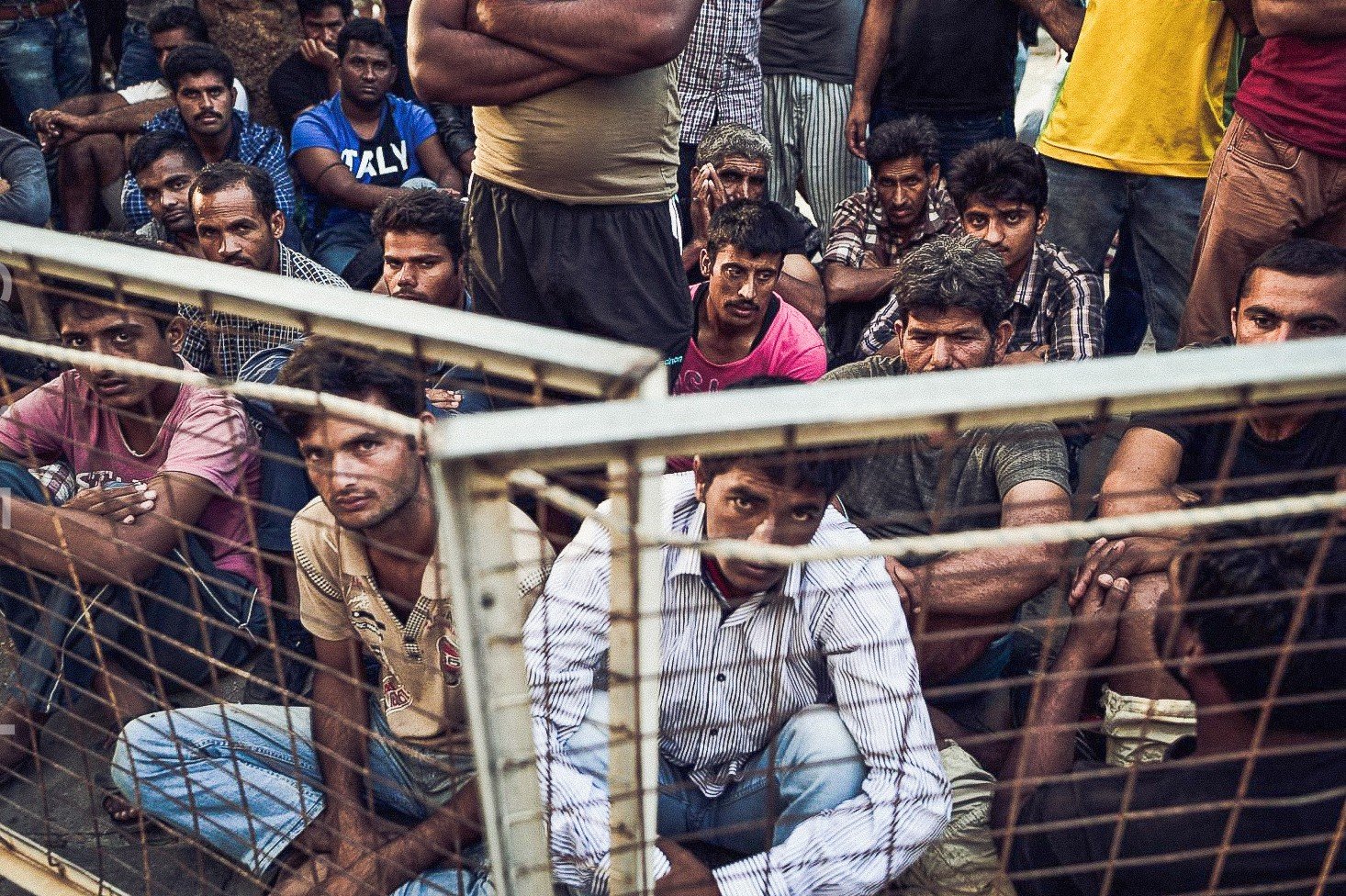
This red-tape cutting exercise has been the centrepiece of the EU’s race for simplification and competitiveness, but delegating such powers will leave greater room for human rights abuses to take place unregulated.