

The current crisis is not just about parties that refuse to govern; it’s about an electorate that seems to incentivise refusal to take responsibility.
 Björn Anseeuw



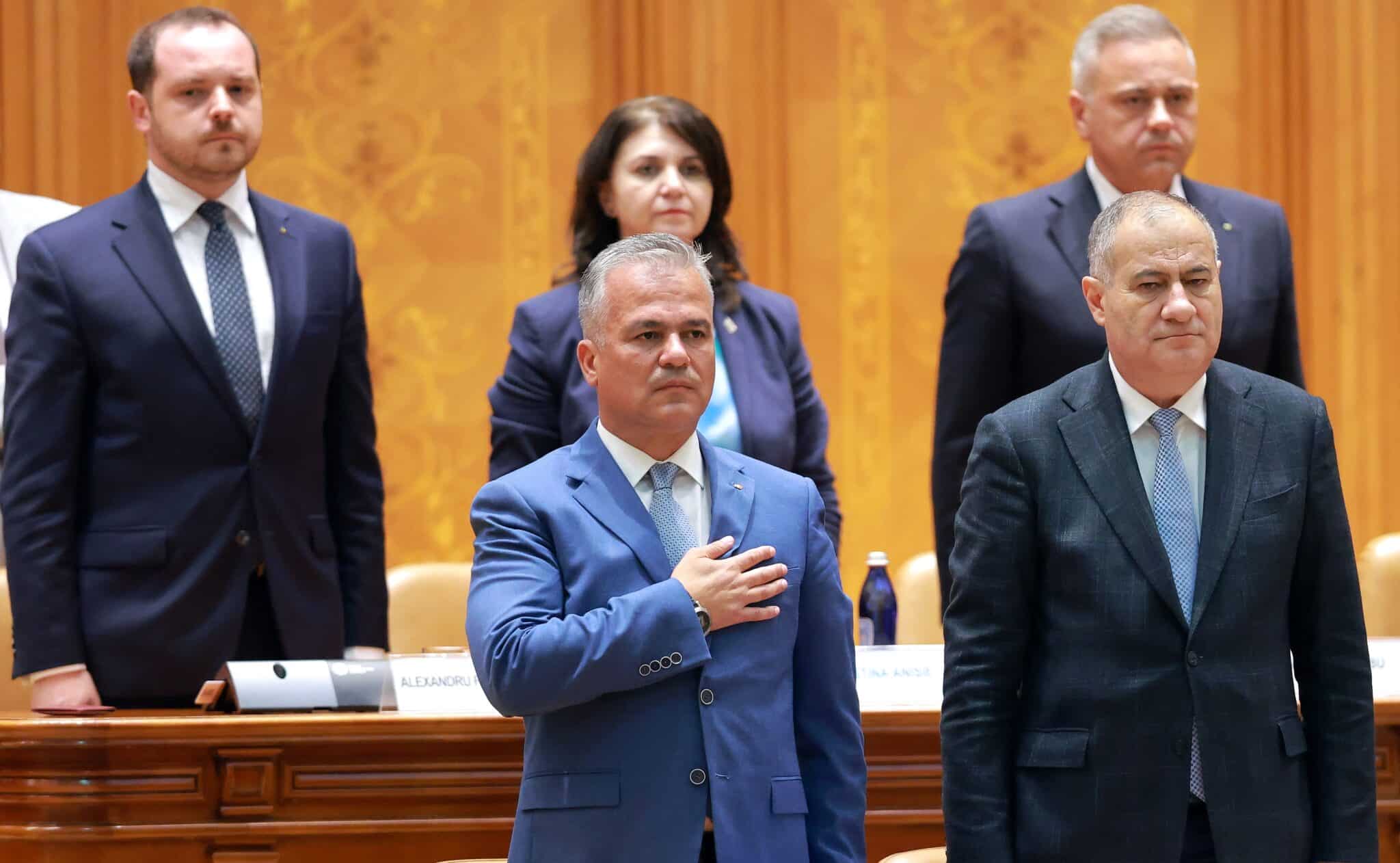
Romania entered the second half of 2026 the way it spent most of the first half: without a government capable of doing anything except managing its own absence.
At the start of this month, parliament went into summer recess without a new prime ministerial nominee on the table after Adrian Vestea’s proposed cabinet was rejected by parliament on June 22.
This was the second failed nomination since Ilie Bolojan’s government fell in May. Each collapse has been narrated, reasonably, as a story of parties refusing to pay the political cost of governing. That story is not wrong.
But it is no longer sufficient. Something more structural is happening underneath the parliamentary arithmetic, and it implicates two actors who have so far escaped serious scrutiny: President Nicusor Dan and Romanian voters themselves.
Dan’s approach to the crisis has followed a consistent rule that he has stated plainly and repeatedly: he will not nominate a candidate without a prior, credible, signed commitment from a parliamentary majority. “I will not experiment,” he said in May.
It sounds like prudence. Applied for two-and-a-half months against a fractured National Liberal Party, PNL, a Social Democratic Party, PSD, negotiating in bad faith, and an Alliance for the Union of Romanians, AUR, that will never sign anything, it functions as something else: a precondition for action that Dan has known since May cannot currently be met.