




Elsewhere, Russia’s FSB links alleged Moscow drone plot to Slovakia; leader of Czech coalition party Motorists under fire after Prague car crash; Poland not among founding members of new European coalition to develop ballistic missile defence.
 Edit Inotai



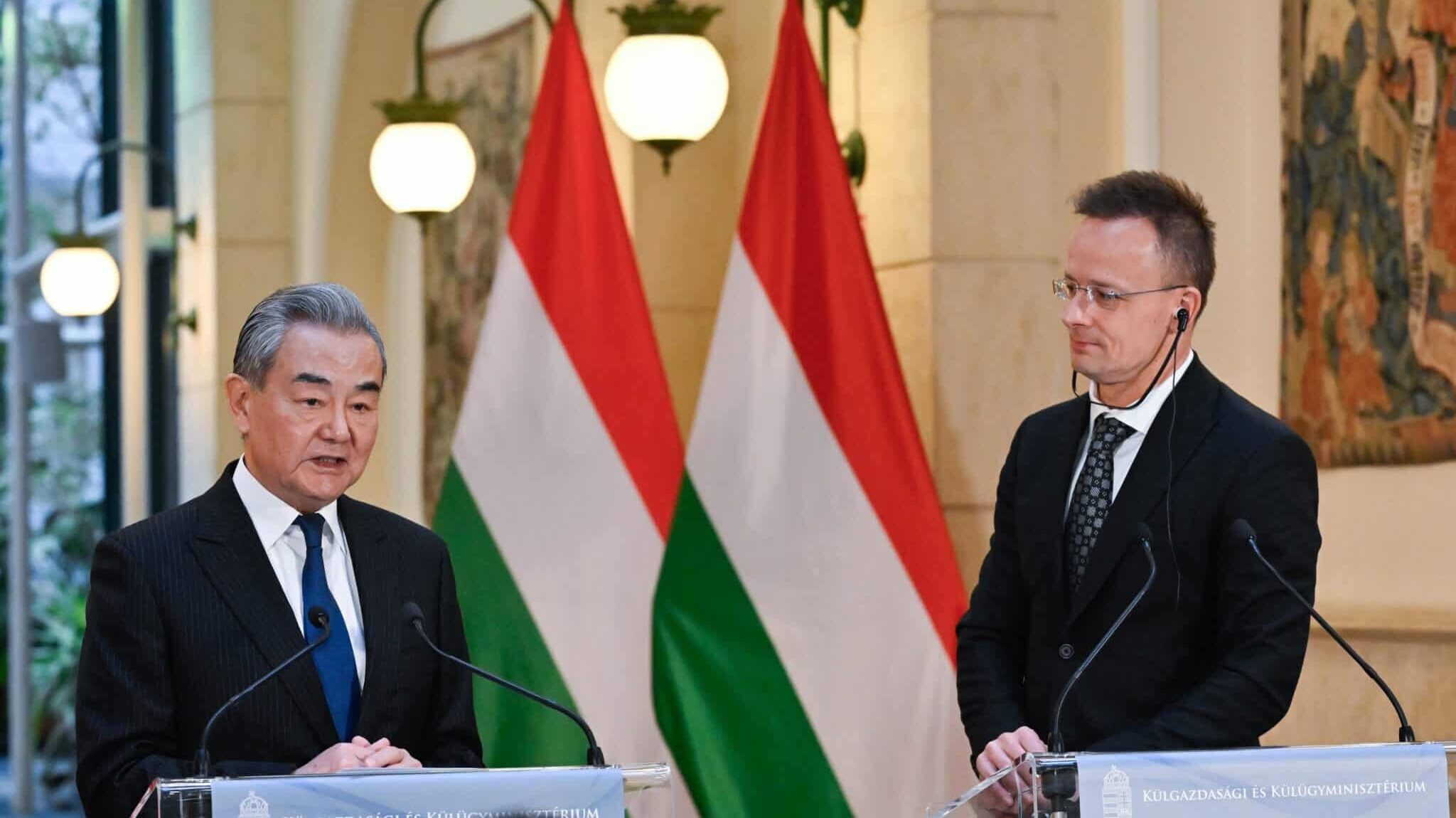
Poland was not among the founding members of a new European coalition to develop protection against ballistic missile threats, announced this week by nine European countries and Ukraine. The Anti-Ballistic Missile Coalition aims to jointly develop capabilities against ballistic missile threats while coordinating research, industrial cooperation and procurement. Its founding members are Denmark, France, Germany, Italy, the Netherlands, Norway, Spain, Sweden, the UK and Ukraine, although the declaration stresses that the format remains open to additional participants. Onet reported, citing unnamed government sources, that Ukraine opposed Poland’s participation following recent tensions in bilateral relations over historical issues. Neither Kyiv nor Warsaw has confirmed that account publicly. Foreign Minister Radoslaw Sikorski dismissed suggestions that Poland had been excluded, arguing the initiative was primarily an industrial project rather than a political alliance. “The format is open,” he said, adding that Polish defence companies would be able to join if they decided to participate. PM Donald Tusk similarly said Polish firms were analysing the proposal. Poland’s absence from the initiative does not mean it is falling behind on missile defence; Warsaw is already building one of Europe’s most advanced integrated air-defence systems, the “Wisla” program, built around US Patriot technology. The episode thus highlights a broader strategic debate. While much of Europe is accelerating efforts to develop jointly owned defence capabilities in response to doubts about the long-term reliability of US security guarantees, Poland has continued to bet on close defence ties with Washington.
A 54-year-old man has been arrested after verbally abusing two 11-year-old Ukrainian girls on a bus in the southern city of Bielsko-Biala, in an incident that has reignited concerns about hostility towards Ukrainians in Poland. A video shared on social media showed the man shouting insults at the girls and telling them to “go back to Ukraine” because they were speaking Ukrainian. Police identified and detained the suspect within hours despite no formal complaint being filed. Interior Minister Marcin Kierwinski said there would be “absolutely no tolerance” for attacks motivated by nationality. Ministry spokeswoman Karolina Galecka noted that such attacks “are occurring increasingly often”. PM Tusk described the incident as “disgusting” and “proof that incitement has fatal consequences”, calling on politicians to stop using inflammatory rhetoric. The attack came at a sensitive moment in Polish-Ukrainian relations, just days after commemorations marking the anniversary of the 1943 Volhynia massacres, which have once again brought historical tensions to the fore and fuelled anti-Ukrainian sentiment online, even as Poland remains one of Ukraine’s closest allies.