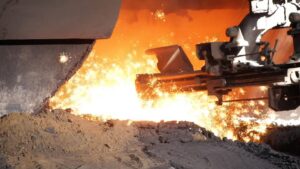

According to Devan Pillay of Schneider Electric, it’s not just grids and prices holding electrification back. It’s also change-resistant engineers of the older generation that are running plants today. “Their attitude is: if it works, let’s leave it.”
 Wester van Gaal



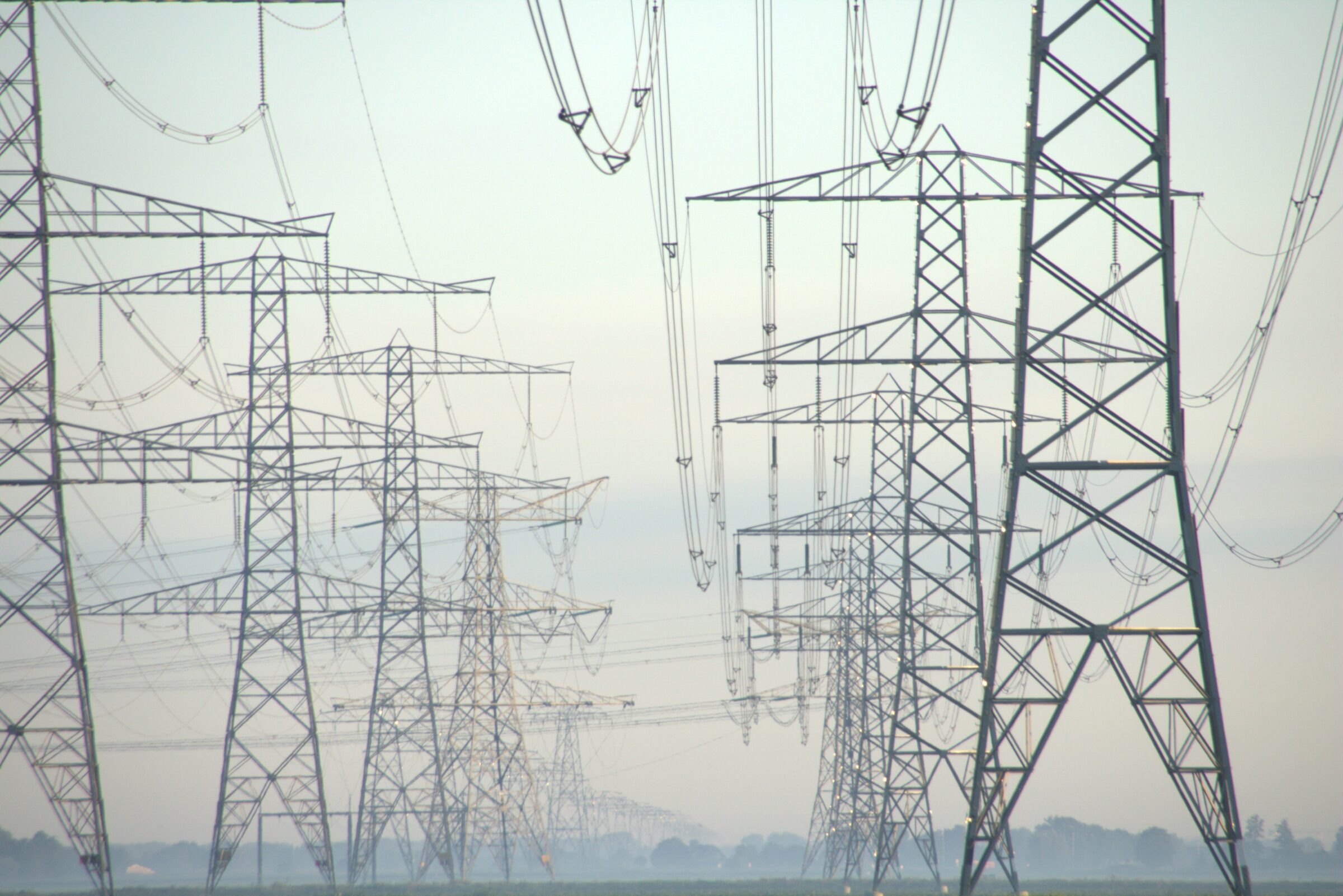
The EU is presenting a plan to electrify its economy on Friday (17 July), in an effort to kick Europe’s addiction to fossil fuels and become less reliant on foreign supplies.
Electricity makes up 23 percent of final energy consumption, only slightly higher than it was in 1990. The graph is now slowly ticking upwards because gas- and coal-fired power plants are increasingly rapidly being replaced by wind and solar.
But outside of the energy sector, the rest of the economy — transport, heating and industry — remains as dependent on fossil fuels as ever.
The fact that this doesn’t have to be this way is illustrated by China’s rapid rise as an electro-state, where power as a share of the energy mix now makes up more than 30 percent, up from around five percent in 1990.
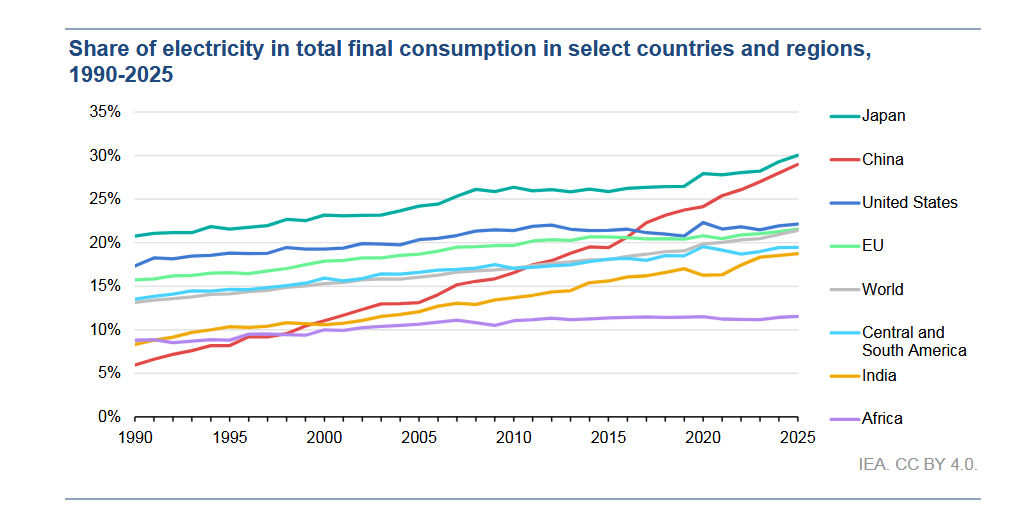 China’s share of electricity in final energy consumption has surged while Europe’s has stagnated. Source: IEA, Electricity 2026
 The Hormuz crisis for now seems to have focused the minds of Brussels bureaucrats. The Electrification Action Plan, a leaked version of which was reviewed on this site last week, suggests it is the most ambitious plan to boost electrification in the EU’s history.
Brussels will propose a concrete electrification target later this year, combined with a slew of proposals to reduce the relative cost of electricity compared with gas, and a decarbonisation bank to help industries replace fire-based processes such as gas boilers with kit that runs on renewables and batteries.
But one of the questions is: why hasn’t it already happened?
The technology to electrify all cars, vans and most trucks is already on the market at commercially-competitive prices. The same goes for heat pumps to replace gas boilers and stoves for heating homes.
What is less well known is that 78 percent of industrial heat — often described as ‘hard to abate’ — can also be electrified using today’s commercially available technology.
This percentage comes from a recent study by Schneider Electric, a company which helps and advises industries with digitisation, automation and electrification.
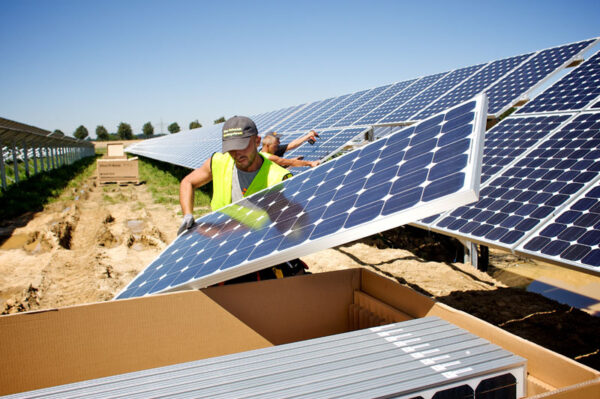
When it comes to electrification, the biggest barriers aren’t technological, but exist elsewhere: a lack of grid availability and slow permitting, too little public financial support, and reluctance to change among engineers that are used to burning stuff.
To understand what the biggest bottlenecks are, and what it may tell us about where Europe’s electrification is heading as the EU unveils its plan, EUobserver spoke to Devan Pillay, president of heavy industries at Schneider Electric, who helps industries replace gas-fired heat with electricity.
 Devan Pillay of Schneider Electric helps industries replace gas fired heat with electricity
With fossil-fuel supplies looking increasingly uncertain, and the technology already there, why hasn’t industrial electrification picked up faster?