

Andy Burnham was Secretary of State for Culture, Media and Sport for 16 months in Gordon Brown’s cabinet. This was a time in which shirt and tie was the required political dress code for swinging in a children’s playground in Brixton with the Secretary of State for Children, Schools and
 Ed Warner



Thursday 16 July 2026 7:00 am | Updated: Wednesday 15 July 2026 11:12 am
 Incoming Prime Minister Andy Burnham wears his sporting credentials on his sleev
 Andy Burnham was Secretary of State for Culture, Media and Sport for 16 months in Gordon Brown’s cabinet. This was a time in which shirt and tie was the required political dress code for swinging in a children’s playground in Brixton with the Secretary of State for Children, Schools and Family, one Ed Balls.
Burnham’s mayoral T-shirt days in Manchester were before him, but with his return to formality on arrival at No10 next week, our new Prime Minister might like to reflect on how little political priorities for sport have changed in the 18 years since he was “Minister for Fun”.
A photo op of Burnham and his cabinet buddy on a swing was staged in 2008 to promote a consultation on a Play Strategy that promised 3,500 new play areas across the country and an annual “play indicator” showing young people’s satisfaction with their local play areas and parks.
Last year, an independent commission called for the formulation of a National Play Strategy, citing the closure of 400 playgrounds over the past decade. And so the political wheel turns full circle.
A few weeks further on in 2008 I had the dubious privilege of watching a sweaty Ed Balls busting karate moves in the garden at No10 to publicise the inaugural National School Sports Week, an initiative of the Youth Sport Trust.
#mc_embed_signup { background: #fff; clear: left; font: 14px Helvetica, Arial,sans-serif; width: 100%; max-width: 600px; margin: 20px 0; } #mc-embedded-subscribe-form { margin: 20px 0 !important; } .newsletter-form-flex { display: flex; gap: 0; align-items: center; margin-top: -10px; } .newsletter-form-flex input[type=”email”] { flex: 1; padding: 2px 10px; border: 1px solid rgb(18, 22, 23) !important; border-radius: 12px 0 0 12px !important; } .newsletter-form-flex input[type=”submit”] { padding: 4px 10px !important; margin: 0 !important; background-color: rgb(18, 22, 23) !important; color: rgb(255, 255, 255) !important; border: 1px solid rgb(18, 22, 23) !important; border-radius: 0 12px 12px 0 !important; } .newsletter-banner-content { margin-bottom: 15px; } .newsletter-banner-content h2 { margin: 0 0 10px 0; font-size: 18px; font-weight: 600; } .newsletter-banner-content p { margin: 0 0 10px 0; line-height: 1.5; } .newsletter-banner-content ul, .newsletter-banner-content ol { margin: 0 0 10px 20px; } .newsletter-banner-content a { color: #0073aa; text-decoration: none; } .newsletter-banner-content a:hover { text-decoration: underline; } .newsletter-banner-content img { max-width: 100%; height: auto; margin: 10px 0; } #mc_embed_signup #mce-success-response { color: #0356a5; display: none; margin: 0 0 10px; width: 100%; } #mc_embed_signup div#mce-responses { float: left; top: -1.4em; padding: 0; overflow: hidden; width: 100%; margin: 0; clear: both; }
This was intended as a celebration of the nation’s achievements in moving towards hitting a target of five hours of sporting activity for every child each week, including two hours of high quality provision within schools. London 2012 was then looming increasingly large as a galvanising force to create a healthier nation.
A spiky profile interview with Burnham in The Times on his appointment at DCMS ended with the journalist advising him to “continue coming into work in a tie – anything to remind those arts and sports folk who’s boss”.
The challenge those of us in sport have long had is that the boss keeps changing. There have been 14 Secretaries of State since Burnham and 10 Ministers of Sport (each of them with other responsibilities appended). The arts have coped with similar churn: 11 ministers over the past two decades.
Meanwhile, sport in schools stagnates, sports clubs struggle for facilities and volunteers, and investment in elite sporting success declines in real terms year after year.
This year’s National School Sports Week ended on Sunday. It had a title sponsor in boxing kit company Everlast and fighter Conor Benn as its ambassador.
No mention of hourly activity targets for kids in the accompanying publicity, but a background study from the Youth Sport Trust last month should have been tough reading for those 24 politicians who have filled the two ministerial positions responsible since the inaugural week.
Take these two stats, for instance: teachers report that only 57 per cent of children get the targeted two hours PE a week, and the proportion of the average school curriculum devoted to PE has declined from 8.6 per cent to 7.3 per cent since 2012.
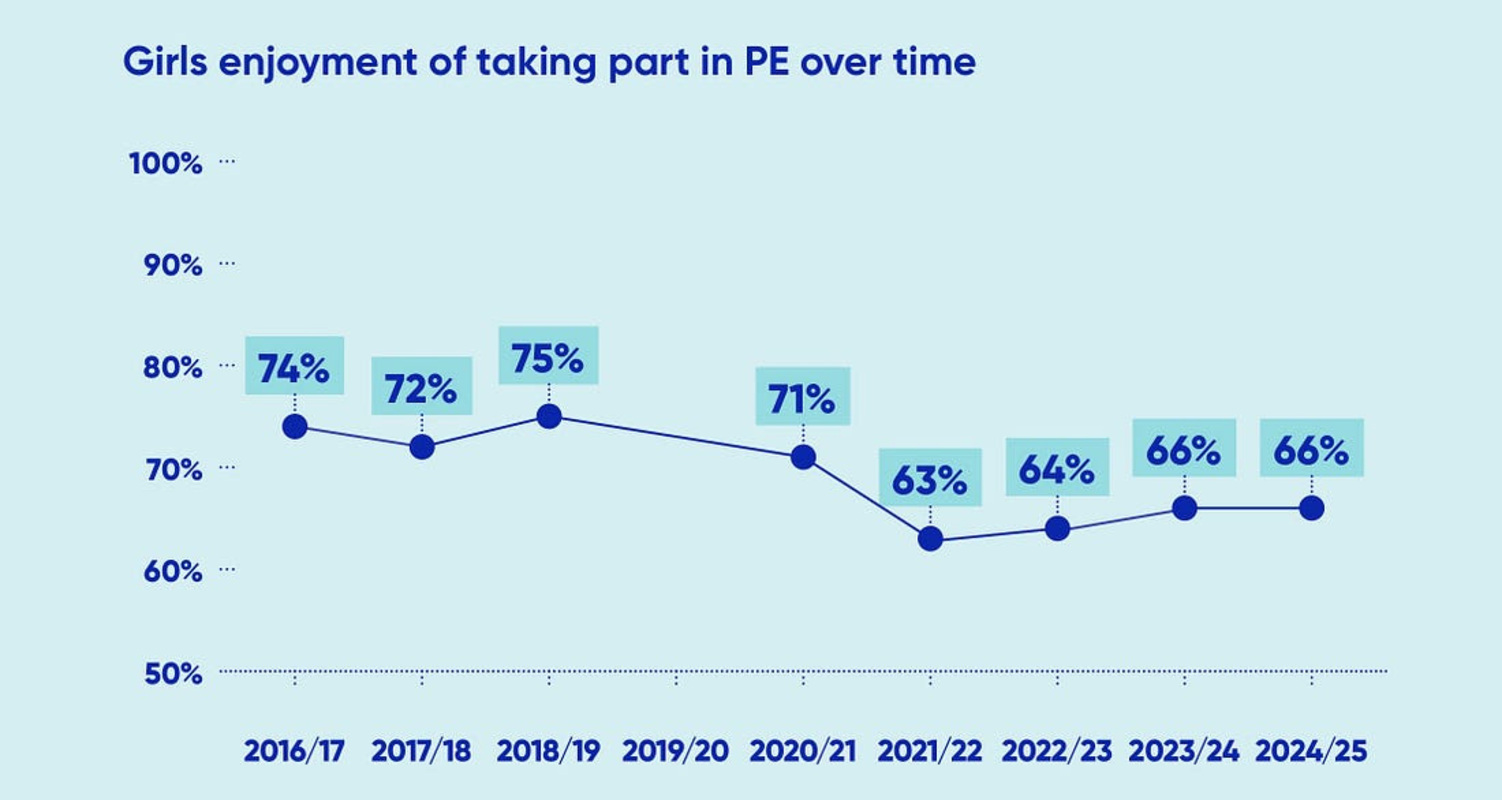
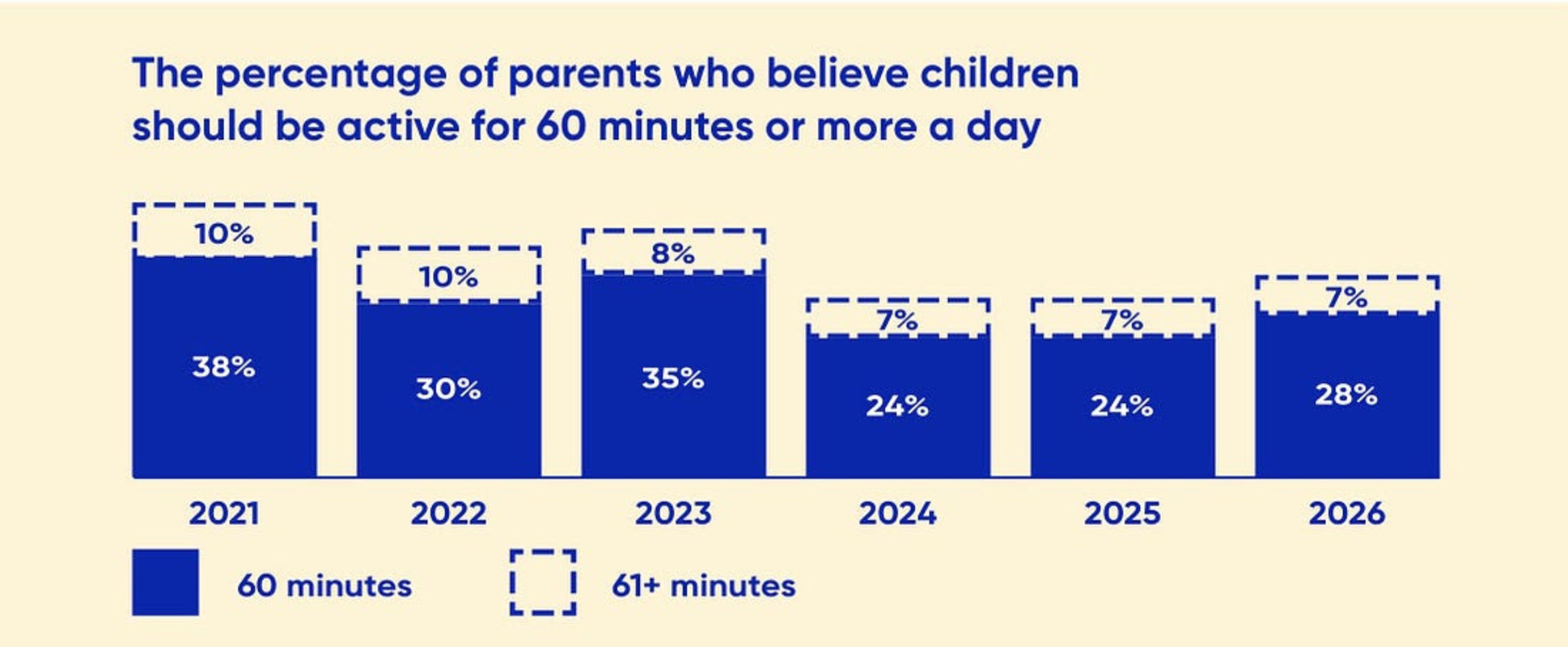
Throw in declines in both the number of parents believing their children need to be active and the percentage of girls who say they enjoy PE – in spite of the rapid growth in scale and awareness of professional women’s sport – and you get a sense of the complexity of a problem which has societal roots and structural challenges.
The new PM didn’t create this problem any more than the other 24 who have been at the wheel. But he does now own it, as well as the opportunity it presents to eat into the bill for the nation’s health (both mental and physical) over the very long term.
Andy Burnham is a self-professed sports fan. No-one doubts that. Indeed, it is hard to think of any other PM since John Major who genuinely loved sport in a broad sense and didn’t just view it as a photo op with which to try (and usually fail) to curry popularity.
That fandom arguably carries with it added pressure. Sport expects: expects Andy Burnham to understand the link between physical activity and the cost of the stalled system, and expects him to make the most of it.
Read more Could Burnham be the answer to free-to-air sport for all?
Although sport will rarely feature high up on a Prime Minister’s agenda, given its financial insignificance compared with the heavyweight departments of state, it is possible for any PM who cares deeply and thinks imaginatively enough to effect change.
John Major would be their role model as instigator of the system for funding Olympians and Paralympians that has transformed Britain’s showing at the Games since 1996.
Grassroots sport presents a far greater challenge than elite, but even small improvements in provision and activity levels would yield significant benefits for society.
There are people across the sporting system far better versed than me in what needs to be done. Andy Burnham might be tempted to throw some sporting stardust at the problem to create a viral Instagram post or two. He’d be better advised to get the experts in a room, give them a mandate plus funding, and then back their conclusions. They’ve only been waiting a couple of decades to be empowered.
Breaking Boundaries
In last week’s column I trailed the launch of our Sussex Cricket Breaking Boundaries initiative which has created cricket hubs at state schools across the county, each supplied with professional coaching and linked to local clubs.
Multi-year funding has been provided from a variety of sources: philanthropic, public, charitable and governing body. If the initiative generates future pro cricketers for Sussex, great, but more importantly it will give thousands of kids the chance to enjoy our sport.
You can find out more about Breaking Boundaries here.
And in the end…
The Fifa World Cup began a week before the Makerfield by-election that set Andy Burnham on the road to No10. For Homer as poet, read Infantino as conductor. Just two matches to go now, only one of which matters. It has been quite the journey.
I remain of the view that emotional engagement only really kicked in with the knockout rounds. Perversely, that makes it more rather than less likely that the tournament will be expanded further to 64 teams.
If the group matches are just the warm-up, then it is easy to say their overall number matters little. So, more entrants, same number of knockout matches, no head-scrambling third-place qualifying table and, of course, more revenue for Fifa. What’s for the rulers not to like if reach and revenue are their objectives?
The 2030 World Cup is already scheduled to span six countries and three continents. Qualifying begins in September 2027, so ample time for a deterministic approach to decision-making. Right up Gianni Infantino’s street, then.
Tick box exercise
Thanks to everyone who has greeted my appointment at Sussex Cricket in below-the-line comments on various platforms. “Can he bowl?” was my favourite. (Answer: no, but I’m confident we won’t be short in that department next season). And thanks to the supporter who complimented my ParkRun times.
Most surreal contribution by far was an enquiry as to which of the seven boxes on religion I ticked in the last national census. Never been asked that in an interview, nor asked it of a candidate myself.
I’m looking forward to seeking out my interlocutor in the deckchairs in the north-east corner of the County Ground to fathom his interest. (Answer: that’s between me and the census number crunchers).
Ed Warner is chair of Sussex Cricket and GB Wheelchair Rugby and writes his sport column at sportinc.substack.com
Read more Starmer: I would make Andy Burnham a Cabinet minister
Similarly tagged content: Sections Categories People & Organisations