The alliance avoided disaster in the Turkish capital – but it is becoming increasingly irrelevant, writes Edward Lucas.
 Edward Lucas



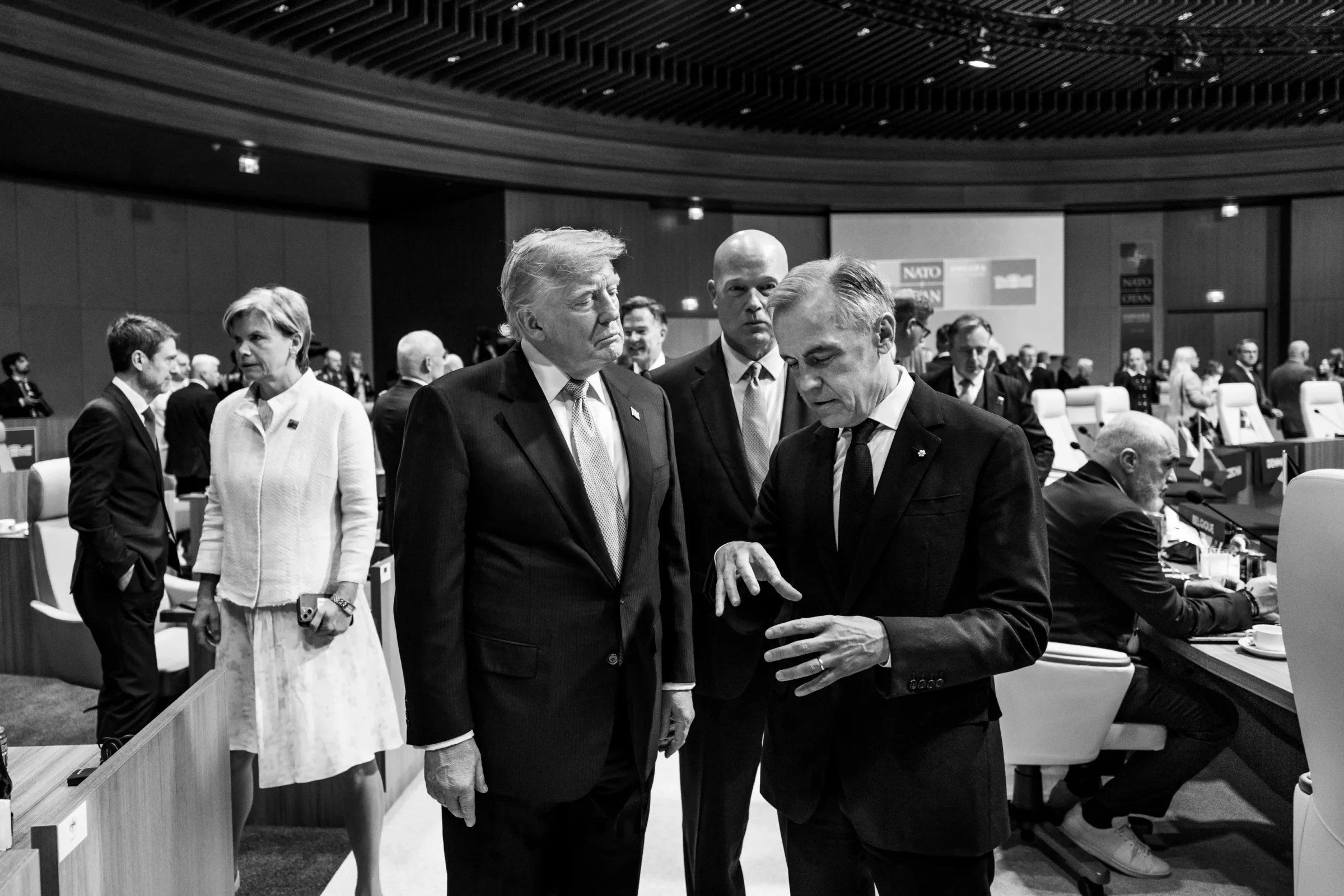
Since Donald Trump’s arrival on the international stage, Nato summits have descended into pantomime.
Serious actors say and do absurd things to fit the genre. Everyone suspends disbelief during the performance. Then we emerge blinking from the air-conditioned theatre into the hot and busy real world and try to get on with our jobs.
The Ankara pantomime, which I attended last week, as usual featured the cartoonish American president as the villain. But it included some other elements too.
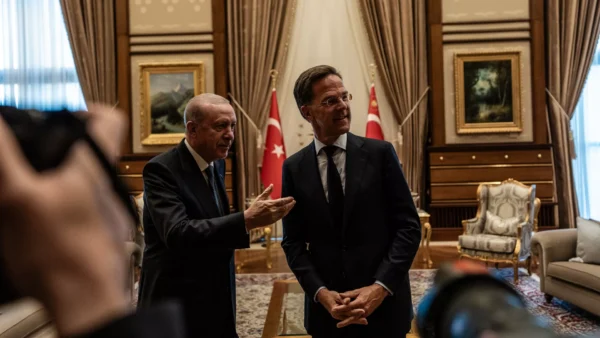
We all pretended politely that the host country is called Türkiye, though the locals still happily refer to all other countries by their sometimes mystifying Turkish endonyms (İsveç is Sweden; who knew?).
We also pretended that we were visiting a normal democracy rather than an elective autocracy. The authorities rolled up even the mildest critics into preventive detention, just as they rolled out the red carpet for visiting dignitaries. Selective mutism was in the Ankara air: nobody talked about this.
Trump was, as usual, the centre of attention. He book-ended his trip with threats to annex Greenland. He snarled at allies’ failure to support his misbegotten war in the Gulf. Nobody criticised him for it; more of that selective mutism.
Against dismally low expectations, the summit could be described as successful.
Some semi-successes
Trump did not blow up Nato. He had probably his best-ever meeting with his Ukrainian counterpart, Volodymyr Zelensky, and appeared to accept that Ukrainian deep strikes on Russia were a legitimate way of forcing the Kremlin to the negotiating table.
Ukraine got a characteristically opaque Trumpian promise of a licence to produce “Patriots” (which bit of this complex air defence system was unclear). This could be an important medium-term boost to Ukraine’s military-industrial capability, though it does nothing to stop Russia’s nightly terror attacks on its cities.
The summit leaders pledged €70bn in equipment and other assistance for Ukraine this year, and the same again, at least, in 2027. True, none of that will come from the United States.
But at least the Trump administration is not pressuring its allies to dump Ukraine: a real worry in early 2025.
And summits are not only about meetings at the level of all 32 members. Estonia, the Netherlands and Denmark signed drone deals with Ukraine. I was at the “Allies in Ankara” series of side-events, which were productive and serious, particularly on the vexed question of how Nato should respond to Russian “sub-threshold” attacks.
A burning question, which the summit did not answer, concerns the tempo and other practicalities of what now seems an inevitable US withdrawal (at least partial) from Europe.
A core Nato, of those countries who meet their spending commitments, had a separate meeting in the Norwegian city of Bergen last month, where they enjoyed some rare words of praise from the chief Europe-basher in the Pentagon, Elbridge Colby.
For the rest, more nasty surprises will come when a review of US deployments, ordered in June is finally decided.
But these are details. The real story has two elements. First, Ukraine has turned the tide against Russia. Second, Europe realises that the Atlantic era is over. Americans at Ankara received treatment that reminded me of being a Briton in Europe after Brexit. Nobody is rude. Nostalgia and affection abound. But you feel a sense of distance.
The final communique made no reference to the next summit, which was planned for 2027 in the Albanian capital Tirana, ending instead with a bland “we look forward to our next meeting”. It could have read “Don’t call us, we’ll call you”. Pantomime is quite tiring. We have our own show now.