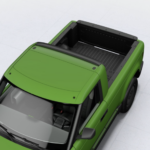
A previous German electric vehicle subsidy scheme massively benefited Volkswagen, which had invested heavily in expensive cars that only the rich could afford. Now it’s set to cut 100,000 jobs and close four factories in Germany.
 Nikolaj Nielsen



German media are reporting that a new electric vehicle (EV) subsidy scheme is drawing political criticism because it appears to benefit Chinese brands as much as, or more than, domestic ones.
The €3bn subsidy was launched earlier this year in the hopes of luring ordinary households to buy EVs. Some could get up to €6,000 depending on their income-bracket.
The subsidy is designed to favour households that likely won’t spend more than €30,000 for a car. Unlike their more expensive European counterparts, Chinese brands such as BYD broadly fit into the more affordable price point.
Die Zeit, a German newspaper, says some CDU/CSU and SPD politicians want to adjust the premiums to favour only European brands – even though initial figures suggest less than 15 percent of the subsidy applications were for Chinese vehicles.
Nevertheless, the Association of German Automobile Dealers (VAD) says new electric-vehicle registrations have since risen sharply, attributing the increase to a broader model range and Germany’s new subsidy scheme, which has been available since May.
A similar environmental bonus scheme, which ended in 2023, was more controversial but in ways that favoured the rich.
Critics said it disproportionately benefited wealthier households and companies, while lower-income taxpayers were effectively helping fund the sale of cars they could never afford, in a system that also boosted the German car industry and foreign manufacturers such as Tesla.
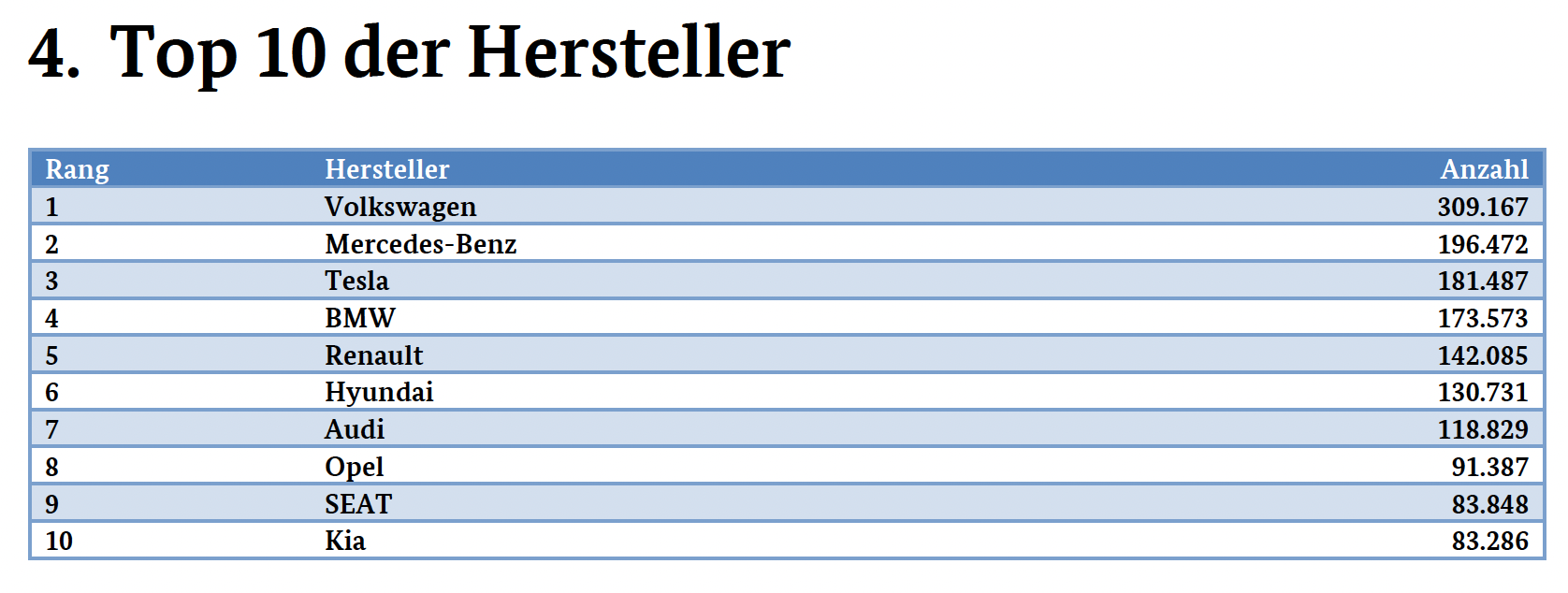
At the time, figures from Germany’s federal office for economic affairs and export control cites Volkswagen as the top beneficiary with over 309,000 vehicles getting the old subsidy, followed by 196,000 Mercedes, and 181,000 Teslas.
Tesla owners alone received €860m in subsidies under the old scheme. Other foreign brands from Japan, China and Korea brands were also benefitting, although at a much smaller percentage.
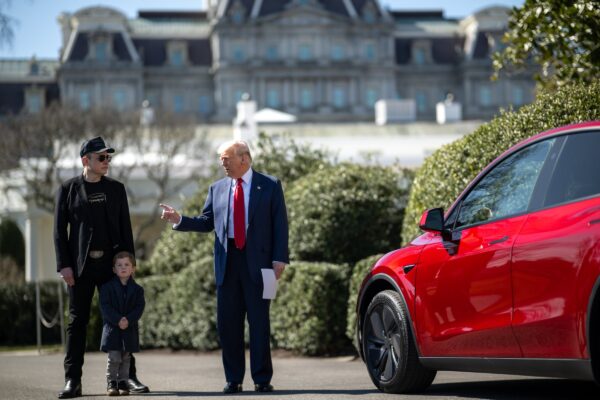
And although some Volkswagen models sold for around €30,000 (the ‘e-up!’ model), the vast majority of the cars were priced at or way above €40,000 in 2023. Catering to the rich may have paid off during those years, but today the German car giant is struggling with competition and subsidies for ordinary Germans.
Volkswagen is now reportedly set to cut 100,000 jobs and close four factories in Germany.
“If Volkswagen’s CEOs had put as much time into catching up with China on electric cars as they did into cheating software, those people would still have a job today,” said Sara Matthieu, a Belgian Green MEP, in a press statement.
A complete breakdown of the models and number, which received the old German subsidy can be found here.