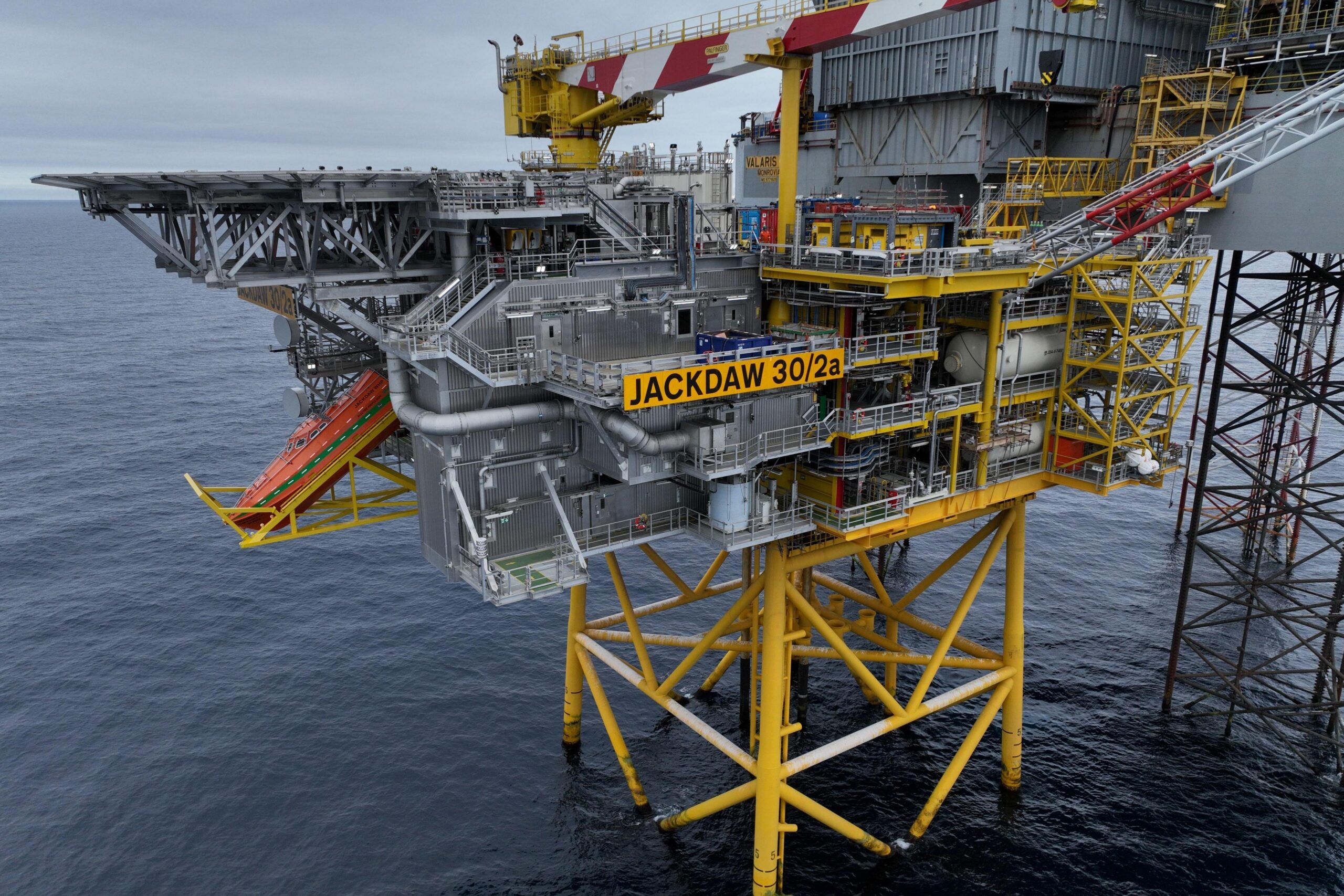
Last year, the Court of Session in Edinburgh ruled that both fields had been unlawfully approved because the consenting process had failed to take into account the impact on the climate of burning the oil and gas extracted from them.
The judge Lord Ericht said the operators would have to submit revised environmental impact assessments to the regulator, the North Sea Transition Authority (NSTA).
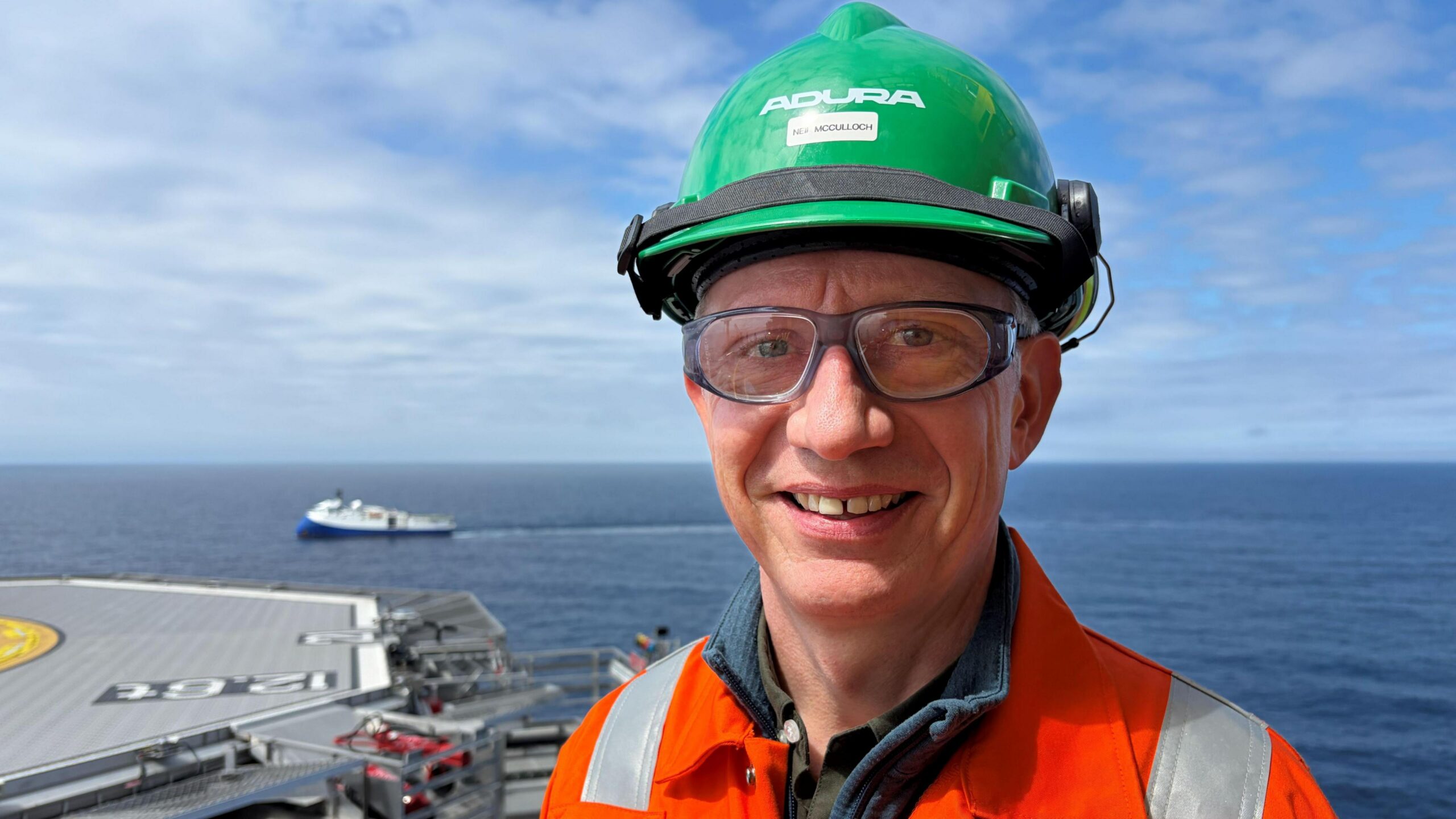
On Tuesday, Adura said the updated assessment it had been required to produce suggested Jackdaw would account for less than 0.02% of annual global greenhouse gases during its lifetime.
That claim was dismissed as “self-serving” by Greenpeace, whose UK chief scientist Doug Parr said approving the field would be “reckless and indefensible” in the context of international commitments to slow down global warming.
If the NSTA gives its approval, the final decisions will fall to the current Energy Secretary, and Burnham’s potential chancellor, Ed Miliband.
More than any other Labour politician, in opposition and in government, Miliband has crafted a policy which is positive about renewable energy such as wind, wave and solar and sceptical of new oil and gas developments.
While Miliband has said that oil and gas will be part of the UK’s energy mix for decades to come, he has also been clear that he believes no new fields should be explored.
“Drilling every last drop will not take a penny off bills,” he argued in a speech on 21 April, adding that it “cannot give us energy security” either.
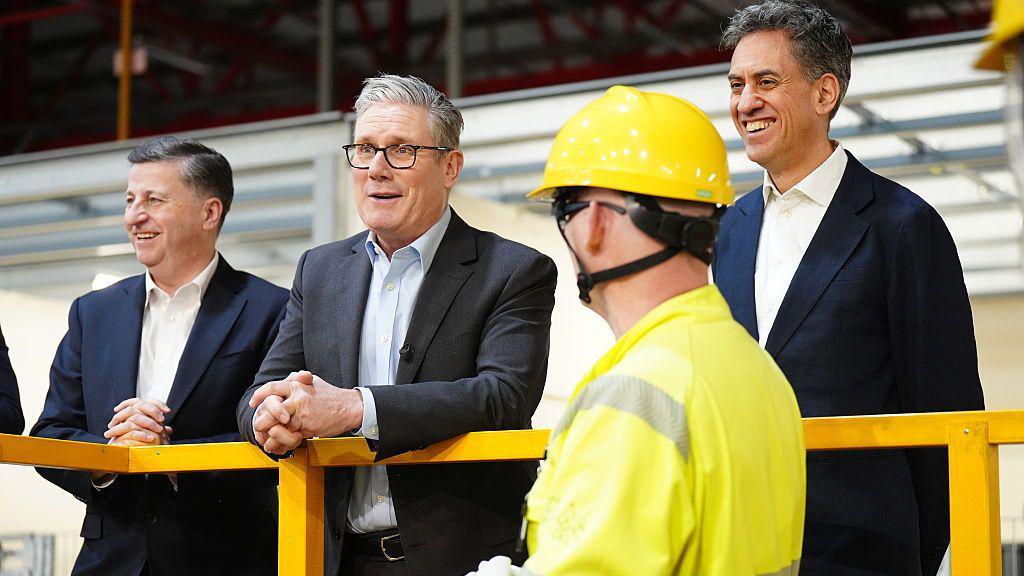 Image source, Getty Images
Critics accuse Miliband and departing prime minister, Sir Keir Starmer, of fumbling the transition to renewables, and causing hardship in north east Scotland, which is home to an estimated one in three of the UK’s 115,000 offshore oil and gas workers.
The Conservatives say this is why they stormed to victory three weeks ago in Westminster’s Aberdeen South by-election when they gained the seat from the SNP and pushed Labour into fourth place.
The morning after her party’s emphatic win, Tory leader Kemi Badenoch told me the vote had been a “referendum on oil and gas”.
Badenoch said she supported the transition to greener energy but added: “Renewables aren’t ready.
“Simply switching off oil and gas is madness, especially when we’re then importing oil and gas from Russia, of all places.”
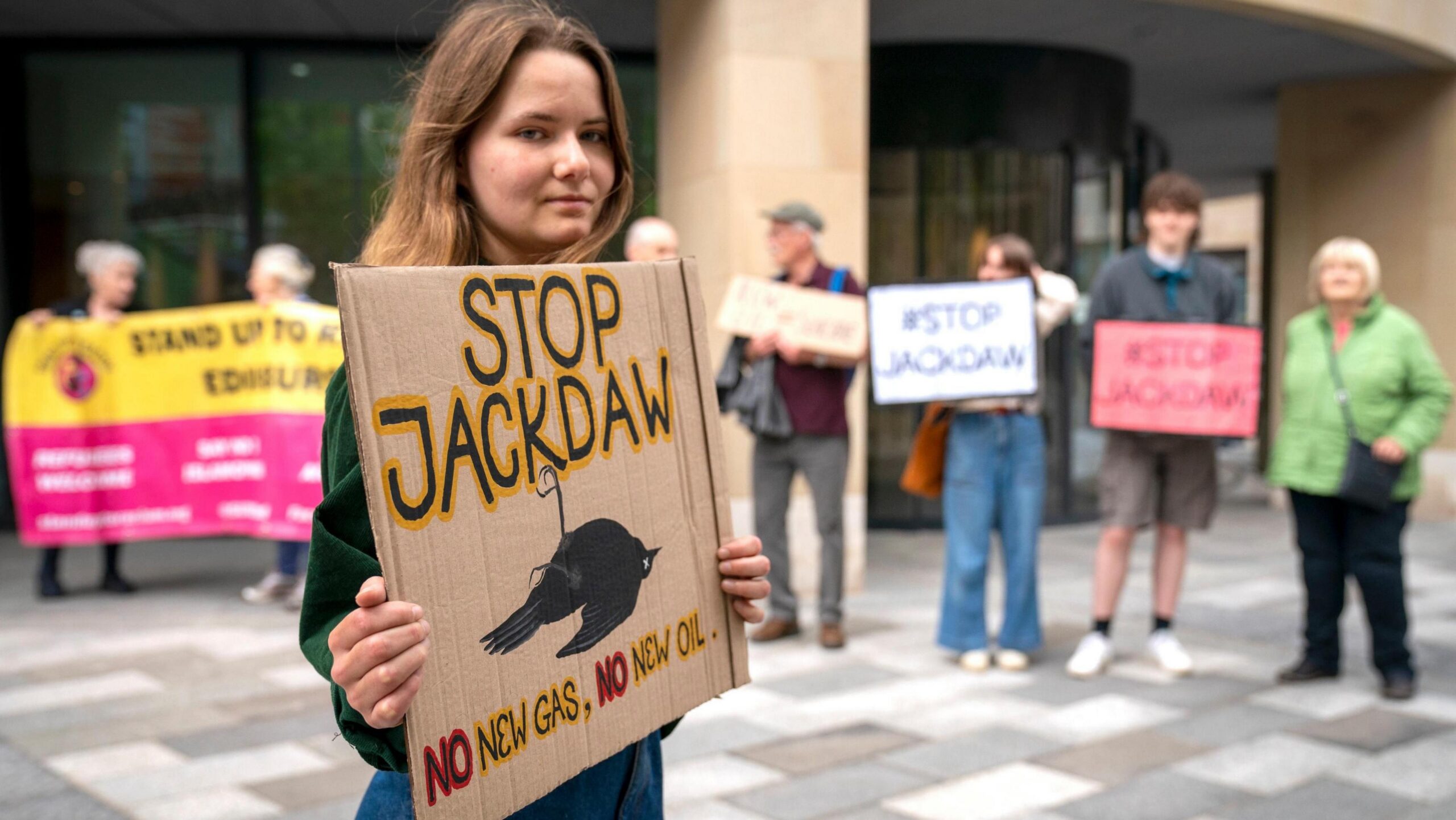 Image source, PA Media
In the light of global economic turmoil and disruption to oil and gas supplies driven by the wars in Ukraine and Iran, Labour has shifted position, pledging to reform the energy profits levy – also known as the windfall tax which amounts to a 78% levy on production – and to allow some new drilling if it is linked (or tied-back in industry jargon) to existing facilities.
There is much less talk these days of Labour’s flagship 2024 election policy, the creation of a publicly owned green energy company called GB Energy based in Aberdeen.
In April, the head of the International Energy Agency, an intergovernmental organisation that advises on energy policy, appeared to validate Miliband’s scepticism.
Fatih Birol said approving Jackdaw and Rosebank “would not make any significant difference” to the global energy crisis unleashed by the US and Israel’s war on Iran.
“It is up to the government, but these fields would not change much for the UK’s energy security, nor would they change the price of oil and gas,” he told the Guardian.
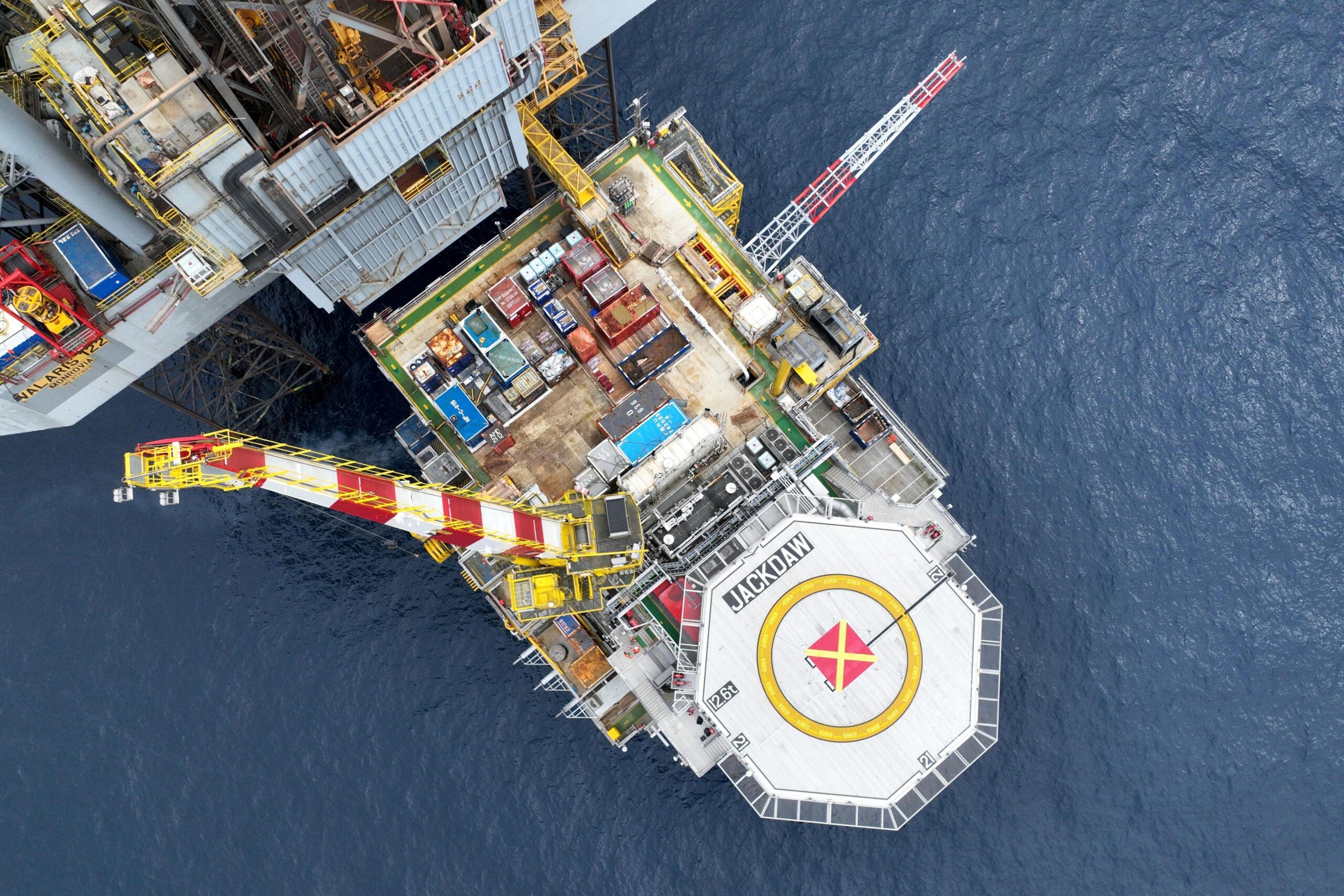
Back on Jackdaw, the work of preparation continues regardless.
Four huge columns await the delivery of high pressure gas from 5km below the platform, all but 100m of which is under the seabed.
This is a complex engineering project involving very high pressure gas and very high temperatures.
A few steps away we saw the enormous pipe which has been tied back to the existing Shearwater field, where the gas would be processed before being piped ashore to the St Fergus terminal in Aberdeenshire.
It all hangs in the balance.
The weather was calm as we visited Jackdaw but it is clear the field is in the middle of a stormy debate about how to power the nation.




 admin
admin