The same Czech government that vowed “not a single crown” for Ukrainian weapons is now moving budget lines into the US-led Nato Prioritised Ukraine Requirements List fund, as leaders head into a high-stakes Ankara summit.
 Lukáš Prchal



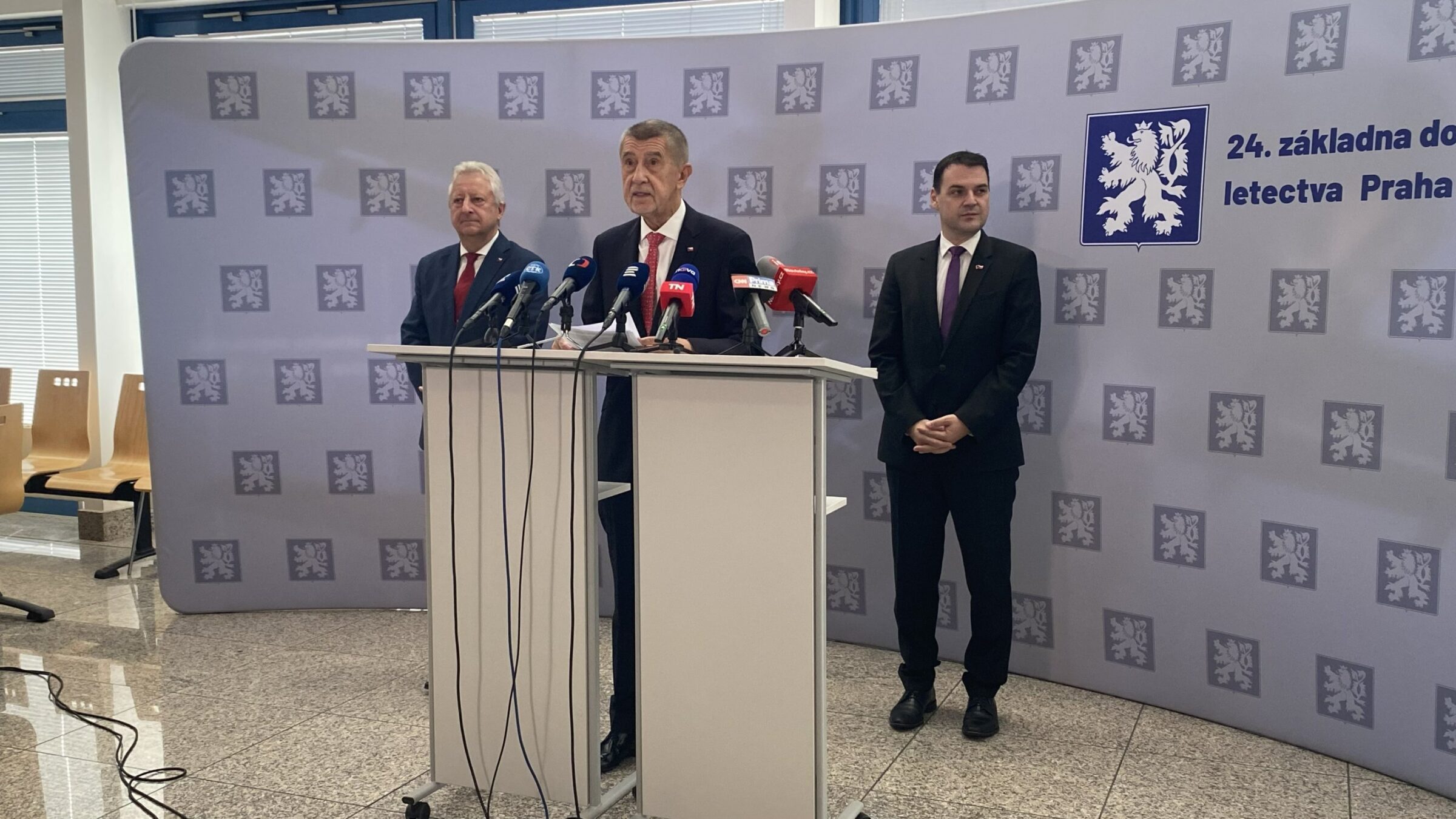
Czech prime minister Andrej Babiš and his Prague coalition partners had until now opposed allowing the Czech Republic to help finance weapons for war-torn Ukraine.
However, ahead of the Nato summit in Ankara, the coalition has reversed its position, opting instead to contribute funds to a US-backed initiative that purchases weapons for Ukraine.
“We will not give Ukraine a single crown from the budget for weapons,” the leaders of the new government, led by Babiš (ANO party), declared in October 2025, after taking office.
But on the eve of the Nato summit in Ankara, a U-turn is taking place, which foreign affairs minister Petr Macinka confirmed shortly before departing for Ankara.
“We are now dealing with the fact that some projects which are mandatory in our budget towards Ukraine, we intend to redirect precisely into this PURL programme, yes,” Macinka responded to a question from Deník N.
The PURL programme functions exclusively as a tool through which individual allied Nato countries contribute to the purchase of weapons for embattled Ukraine. The programme provides money for the purchase of American weapons.
The Czech Republic did not participate in it and had not even been registered in it so far. But that is supposed to change.
According to information obtained by Deník N, Macinka was to officially present the change of position on Tuesday (7 July) during a dinner of foreign ministers of Nato countries and Ukraine.
But it is not yet clear what amounts and which specific “mandatory projects” will be involved. The foreign ministry had not responded to questions by the time this article was published.
“We will still be clarifying it, but it is the case that some money will be directed into the PURL programme, we will be sending a contribution to it,” one high-ranking source from the state administration told Deník N. Another source from the diplomatic service confirmed this information.
The Czech Republic had previously been called upon to start sending money to the programme by the American ambassador in Prague, Nicholas Merrick.
Prime minister Babiš, however, rejected this and changed his mind only now, shortly before the Nato summit, where the joint communique is expected to commit allies to increasing sanctions against Russia and additional support for Ukraine’s air defences.
According to Deník N’s findings, the US told the Czech Republic two weeks ago not to explain at the summit why it was failing to meet its commitments, but instead to offer a remedy.

“They stressed to us that we should avoid political commentary and stop asking for tolerance from the US,” said a high-ranking source from the state administration familiar with the content of the meeting. “They stressed that we should start meeting our commitments and say how we would achieve that,” the source added.