The technical integrity of Bosnia and Herzegovina’s election administration has likely never been stronger. But it takes more than proper vote counting to deliver genuine democracy and accountability.
 Mathieu Lemoine



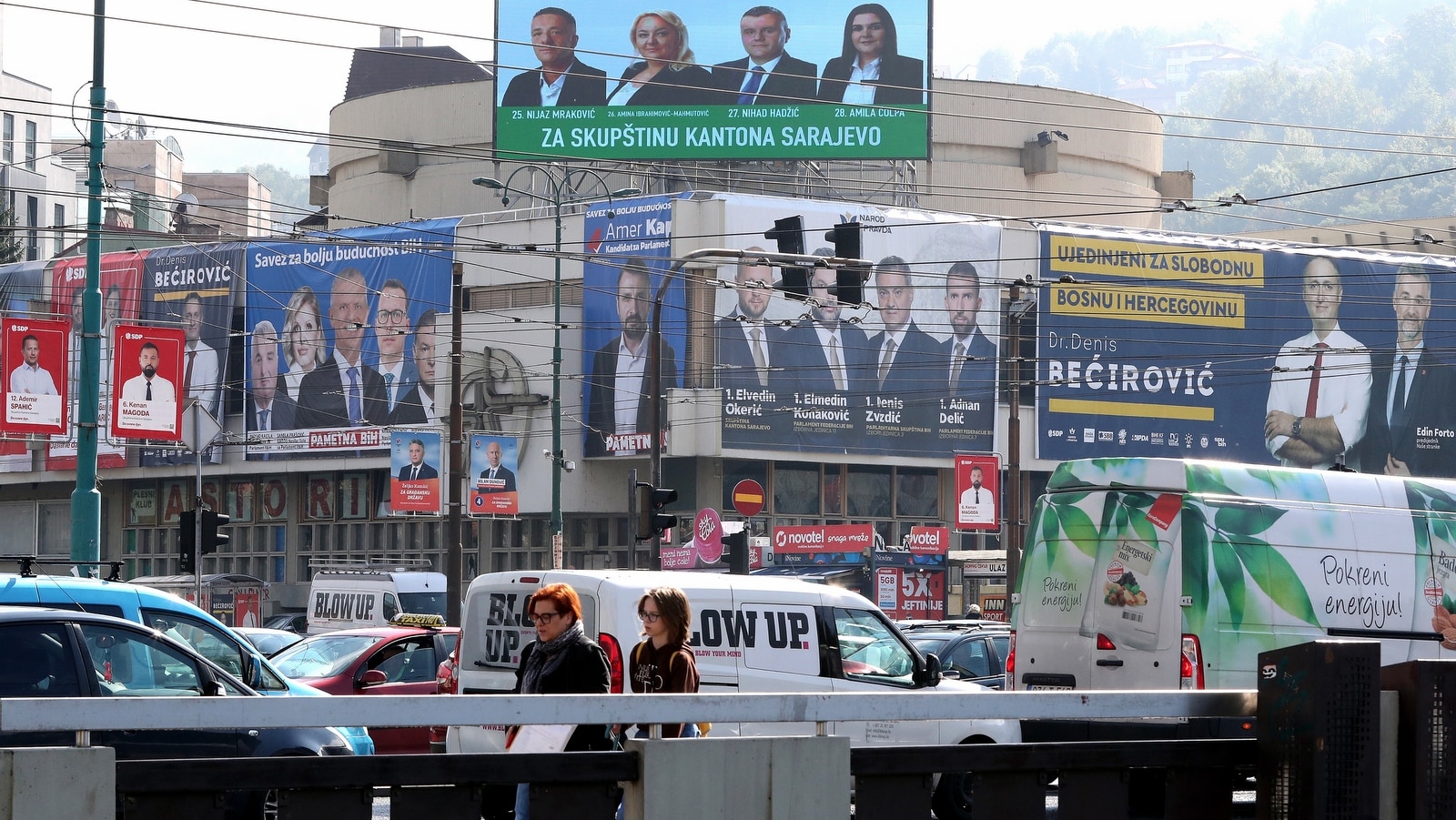
As Bosnia and Herzegovina begins preparing for its general elections on October 4, 2026, its neighbours are continuing their negotiations to join the European Union. Most notably, Montenegro is increasingly seen as the frontrunner for the next round of enlargement, with 2028 discussed as a realistic accession horizon, while Albania is pushing for 2030.
Although Bosnia and Herzegovina is formally an EU candidate country, it remains caught in constitutional disputes and political habits that have shaped it since the Dayton Peace Agreement that ended the 1992-95 war.
The question looming over these elections is therefore larger than who will form the next governments. It is whether politics can persuade Bosnians that their future lies in Bosnia and Herzegovina rather than abroad.
Bosnia and Herzegovina does not lack elections. Bosnians continue to vote, parties continue to mobilise and political competition remains genuine. Election administration has also improved. Following pilot projects during the 2024 local elections, the Central Election Commission is preparing for a broader use of biometric voter identification and ballot-scanning technology in 2026. These tools can strengthen electoral integrity by reducing opportunities for fraud and increasing confidence in the process.
Subscribe to Balkan Insight Premium to read the full article.
Please login to your account below if you are already a Premium Subscriber.
Buy Premium Subscription
Our Premium Service gives you full access to all content published on BalkanInsight.com, including analyses, investigations, comments, interviews and more. Choose your subscription today and get unparalleled in-depth coverage of the Southern and Eastern Europe.
If you have trouble logging in or any other questions regarding you account, please contact us