As hospitals overheat, schools close and thousands of elderly people die, France’s Greens and far right are tearing into each other over whether mass air‑conditioning is a lifeline or a dangerous illusion.
 Denisa Ballová



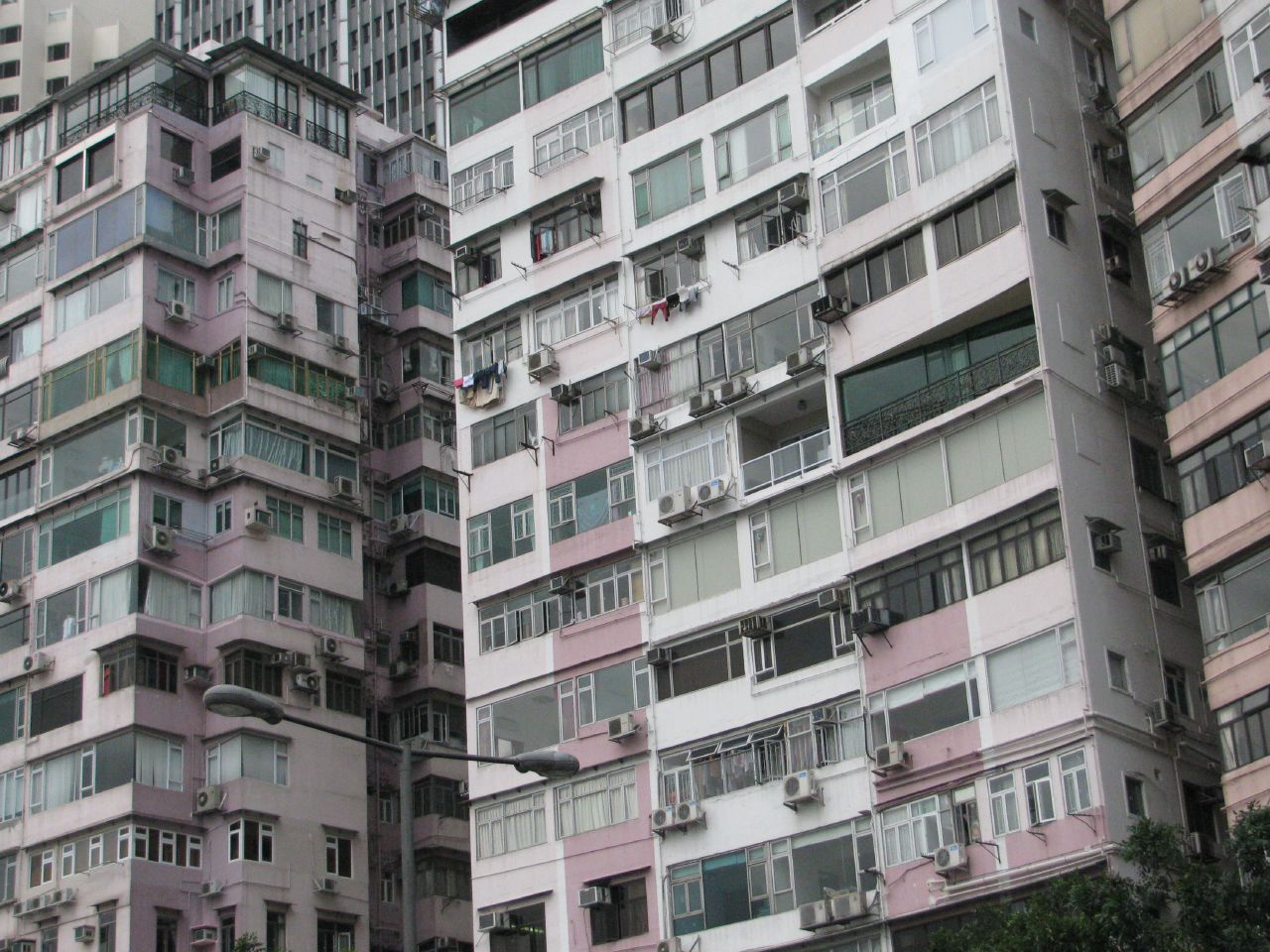
The wave of extreme heat across France has sparked a debate about the use of air conditioning. While far‑right leader Marine Le Pen has called for mass roll‑out of AC with state support, Green politicians have softened their traditionally hostile stance. They have admitted that at least some expansion of air conditioning could be inevitable given the changing climate.
In France, only one in four households has an air‑conditioning unit.
Air conditioning is also missing in many hospitals, where the heat has put patients at risk, and medical staff have complained that working conditions are becoming unbearable.
Air conditioning was also absent from most schools – only 14 percent of facilities had it. Many did not even have shutters, curtains or, in some cases, windows that could be opened, forcing some schools to be closed last week or have shortened teaching hours.

There are similar absences of air conditioning in care homes, even though older people (like small children) are most at risk from extreme heat.
According to the French public health authority, during the current heatwave around 1,000 more people died in France than expected, with 85 percent of them over the age of 65. The authority said the figures were only preliminary and were likely underestimated.
Last summer, heatwaves caused approximately 5,700 deaths in France.
The high death tolls may also be linked to the absence of air conditioning, which is prevalent in Europe than, for example, in the United States, where 90 percent of households have an air‑conditioning unit. While heat caused 44,000 deaths in Europe last year, in the US it was 2,000.
Meteorologists have warned that another heatwave will hit France from 6 July and will be longer and more intense. According to some forecasts, temperatures could rise to 45°C.
Meteorologists also pointed out that this summer’s heatwaves could be as severe as the extreme heat of 2003, which led to as many as 14,800 excess deaths in France, mainly among older people.
French scepticism towards air conditioning
The leader of the green Ecologists, Marine Tondelier, broke something of a taboo last week when she said that air conditioning would be needed at least in schools and hospitals.
“There are places where we simply can no longer do without it,” she said, even though her party had been among the long‑standing opponents of air conditioning and labelled it the worst possible response to climate change.
Environmentalists have previously criticised air conditioning for worsening climate change, since it expels hot air into the atmosphere and, when refrigerants leak, gases with a powerful greenhouse effect could be released.
They also complained about the heavy use of electricity to power air conditioning, even though 70 percent of France’s power comes from low‑carbon nuclear energy.
That attitude is broadly shared by French people. Eight out of ten respondents saw it as harmful to the environment, according to a survey published last week. One in six even said they would rather suffer for the sake of the planet.
However, these attitudes could change as people suffer the extreme heat.
The placement of air‑conditioning units has also been strictly regulated in France, especially in historic parts of cities. Installing one often required the approval of several authorities, which made matters more complicated, particularly when the request came from tenants rather than apartment owners.
That sceptical attitude towards air conditioning was also reflected in government policy. New standards for constructing and renovating buildings focused mainly on high‑quality insulation, greenery and modern natural‑ventilation systems, to do everything possible to avoid the need for air conditioning.
However, this did not meet with a positive response everywhere.
For example, in Nantes a new hospital under construction would have had air conditioning in only half of its rooms. This sparked anger among doctors’ unions, which demanded cooling throughout the building, especially as temperatures of 40°C were recorded in Nantes last week.
An air‑conditioning plan
The debate on air conditioning in France has previously focused on whether it was an unnecessary luxury or an environmentally sensible step. Many people, however, still believed that excessive cooling could cause “thermal shock” if a person moved too quickly from one extreme to another, and that it led to colds or nausea.